




Strait of Hormuz Reopened: A Major Milestone in Regional De-escalation and Diplomacy
Iran has announced that the Strait of Hormuz reopened following a ceasefire agreement period, marking a significant development in one of the world’s most critical maritime routes. The decision comes amid ongoing efforts to reduce regional tensions and stabilize global energy flows.
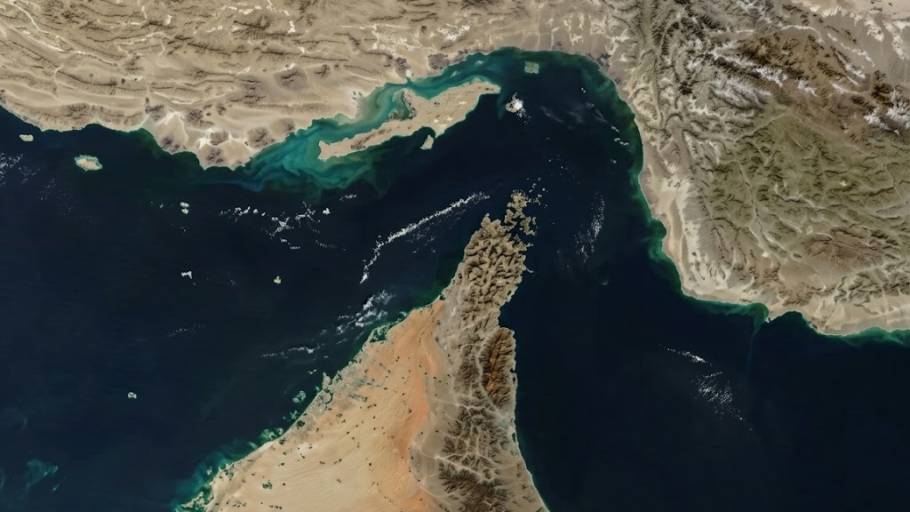
Iran has announced that the Strait of Hormuz reopened following a ceasefire agreement period, marking a significant development in one of the world’s most critical maritime routes. The decision comes amid ongoing efforts to reduce regional tensions and stabilize global energy flows.
Iran confirms reopening of Strait of Hormuz
According to Iranian Foreign Minister Abbas Araghchi, the Strait of Hormuz reopened as part of the ceasefire arrangements in the region. He confirmed the development on social media platform X, stating that the waterway has been fully restored for maritime activity.
The announcement that the Strait of Hormuz reopened has been linked to efforts to maintain stability during the temporary ceasefire environment, particularly involving regional diplomatic agreements.
Importance of Strait of Hormuz reopening
The Strait of Hormuz reopened decision holds global significance as the waterway is one of the most important oil transit chokepoints in the world. A large percentage of global crude oil shipments pass through this route daily.
Any disruption or reopening of the Strait of Hormuz immediately impacts global oil prices, energy markets, and international trade stability. The confirmation that the Strait of Hormuz reopened has therefore attracted global attention.
Strategic Context: The reopening of this vital waterway is closely linked to the ongoing high-level diplomatic efforts in the region. To understand the potential for a long-term resolution, read our exclusive report on will Trump visit Pakistan for Iran peace deal.
Ceasefire linked to reopening decision
Iran stated that the Strait of Hormuz reopened in connection with ceasefire conditions, particularly involving regional tensions and diplomatic negotiations. The move is seen as part of broader de-escalation efforts.
Officials described the reopening as a temporary measure aligned with maintaining peace and ensuring uninterrupted maritime operations during the ceasefire period.
Global energy market reaction
The Strait of Hormuz reopening announcement is expected to influence global energy markets, as traders and analysts closely monitor developments in the region.
Since the Strait of Hormuz reopened, expectations are that oil transport routes will remain stable, reducing fears of supply disruptions in the short term.
Reuters Business: To track the immediate impact on global oil prices and shipping logistics, check the Reuters Energy Markets Report.
Background of the strategic waterway
The Strait of Hormuz reopening update comes after months of heightened regional tensions. The strait connects major oil-producing countries in the Gulf with global shipping routes, making it one of the most strategically important waterways in the world.
Experts believe that the Strait of Hormuz reopened decision could temporarily ease concerns over supply chain risks and maritime security in the region.
Conclusion
The announcement that the Strait of Hormuz reopened represents a key development in regional diplomacy and global energy stability. While linked to a ceasefire arrangement, its long-term impact will depend on how geopolitical tensions evolve in the coming weeks.

Comments