




Best Foods for Iron Deficiency: The Complete Nutrition Guide for 2026
Iron deficiency is the most common nutritional deficiency in the world. The World Health Organization estimates over 2 billion people globally are affected by some form of iron deficiency. The symptoms get blamed on everything else first. Persistent fatigue gets attributed to stress or poor sleep.
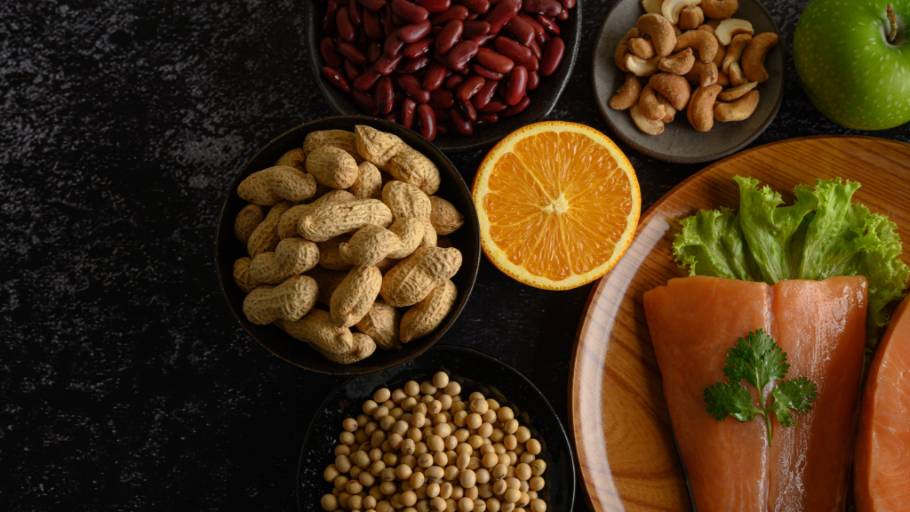
Iron deficiency is the most common nutritional deficiency in the world. The World Health Organization estimates over 2 billion people globally are affected by some form of iron deficiency. The symptoms get blamed on everything else first. Persistent fatigue gets attributed to stress or poor sleep. Pale skin gets noticed by other people before the person experiencing it. Brain fog gets explained away as too much screen time. Brittle nails and hair loss get treated with creams that don’t address the actual cause.
The root issue is often simpler than people expect. Not enough iron in the diet, or not enough absorption from the iron that is being eaten. The best foods for iron deficiency aren’t exotic or expensive. They’re foods that have been part of human diets for thousands of years. The challenge is understanding which sources are most absorbable, how to combine them for maximum effect, and what to avoid eating alongside them.
This guide covers what actually works for rebuilding iron levels through diet, the specific foods worth knowing about, how to maximize absorption, and when diet alone isn’t sufficient and you need medical evaluation.
What Iron Actually Does
Before getting into specific foods, understanding what iron does in your body explains why the deficiency causes such varied symptoms.
Iron is required to produce hemoglobin, the protein in red blood cells that carries oxygen from your lungs to every tissue in your body. When iron levels drop, hemoglobin production falls. Fewer red blood cells get made. Your organs and muscles start receiving less oxygen than they need to function properly.
This explains the seemingly random combination of symptoms. The fatigue comes from cells not getting enough oxygen. The pale skin comes from reduced hemoglobin levels visible through the skin. The brain fog comes from your brain operating on less oxygen than it needs. The shortness of breath during normal activities comes from your lungs trying to compensate. Brittle nails and hair loss come from these tissues being deprioritized when oxygen and nutrients are scarce.
All of these resolve when iron levels return to normal, which is why correctly diagnosing iron deficiency is so important.
Understand the global impact of anemia via the World Health Organization (WHO) Fact Sheets.
Daily Iron Requirements You Should Know
The National Institutes of Health daily iron recommendations:
Men 19+ years: 8 mg daily Women 19-50 years: 18 mg daily Women 51+ years: 8 mg daily Pregnant women: 27 mg daily Lactating women: 9-10 mg daily Adolescents (boys 14-18): 11 mg daily Adolescents (girls 14-18): 15 mg daily
Menstruating women need more than double what men need due to monthly blood loss. This is why iron deficiency is far more common in women than men. Pregnant women need triple the male requirement to support their own needs plus the developing baby’s blood supply.
Athletes, particularly endurance athletes and female athletes, often need significantly more than these baselines due to iron loss through sweat, increased red blood cell turnover, and impact-related red cell damage in distance running.
The Critical Heme vs Non-Heme Distinction
The single most important thing to understand before choosing iron-rich foods is the difference between heme and non-heme iron, because your body absorbs them very differently.
Heme iron comes from animal sources: red meat, poultry, seafood, and organ meats. It’s absorbed at rates of 15 to 35 percent. A significant portion of what you eat actually reaches your bloodstream.
Non-heme iron comes from plant sources: legumes, vegetables, grains, nuts, and fortified foods. It’s absorbed at only 2 to 20 percent. You need considerably more total intake to achieve the same blood iron levels.
The practical implication: meat eaters typically find it easier to maintain adequate iron levels because heme iron is more bioavailable. Vegetarians and vegans need to be more strategic about food combinations, total intake, and absorption enhancers to compensate for lower bioavailability of plant-based sources.
This doesn’t mean vegetarians can’t maintain healthy iron levels. Many do. But it requires more attention to diet structure than meat-based diets generally need.
The Most Iron-Dense Animal Foods
Beef liver is one of the most iron-dense single foods available. 100 grams contains approximately 6.5 mg of iron, plus exceptional amounts of vitamin B12, vitamin A, folate, and choline. Many of these nutrients work together for red blood cell production and brain function. Liver isn’t to everyone’s taste but for those who can tolerate it, it’s the single most efficient food for addressing iron deficiency.
Red meat provides 2.5-3 mg of iron per 100-gram serving. Beef, lamb, and venison all qualify. The iron in red meat is highly bioavailable and the meat also enhances absorption of non-heme iron from plant foods eaten in the same meal.
Shellfish including clams, oysters, and mussels are exceptionally iron-rich. Oysters can provide up to 7 mg per 100 grams. Clams provide around 3 mg. Mussels around 6 mg. Shellfish also provide zinc and vitamin B12.
Poultry provides moderate iron amounts. Dark meat (chicken thighs, turkey thighs) contains more iron than white meat, with around 1.3 mg per 100 grams. Lower than red meat but more affordable and widely consumed.
Sardines and canned fish are convenient and affordable iron sources. Canned sardines in oil provide around 2.9 mg per 100 grams. Canned tuna provides 1.3 mg. The omega-3 fatty acids are an additional benefit.
Organ meats beyond liver including heart, kidney, and spleen all provide significant iron. These aren’t common in many modern diets but are highly nutritious for those who consume them.
The Most Iron-Dense Plant Foods
Lentils are the most iron-rich legume with approximately 6.6 mg per cooked cup. They also provide folate, fiber, and plant-based protein. For vegetarians, lentils are foundational and should appear in meals several times weekly.
Kidney beans provide 5.2 mg per cooked cup. Black beans, pinto beans, and navy beans all provide similar amounts (4-5 mg per cup).
Chickpeas provide 4.7 mg per cooked cup. Versatile in cooking and one of the more accessible iron sources for plant-based eaters.
Tofu provides around 3.4 mg per 100 grams of firm tofu. Also a complete protein source providing all essential amino acids.
Spinach is iconic but tricky. Raw spinach provides 2.7 mg per 100 grams, cooked spinach concentrates to 3.6 mg per 100 grams. The catch is that spinach contains oxalates that bind to iron and reduce absorption. Combining with vitamin C significantly helps.
Other dark leafy greens including Swiss chard, kale, collard greens, and beet greens all provide meaningful iron with similar oxalate issues to spinach.
Pumpkin seeds are exceptionally iron-dense for a snack food. A 28-gram serving (small handful) provides 2.5 mg of iron plus magnesium, zinc, and healthy fats.
Sesame seeds and tahini provide significant iron. A tablespoon of tahini contains about 1.3 mg. Sesame seeds are easy to add to many dishes.
Quinoa provides 2.8 mg per cooked cup and is a complete protein, unlike most plant foods.
Dark chocolate at 70 percent cacao or higher provides 3-4 mg per 100 grams. A reasonable occasional treat that contributes meaningful iron.
Fortified breakfast cereals can provide 100 percent of daily iron in a single serving. Read labels because amounts vary widely between brands.
Dried apricots, raisins, and prunes provide modest but useful iron amounts. Good for snacking and supporting iron intake.
Comparison Table: Iron Content of Top Foods
| Food | Serving | Iron Content | % Daily Value (Women) |
|---|---|---|---|
| Beef liver | 100g | 6.5 mg | 36% |
| Lentils (cooked) | 1 cup | 6.6 mg | 37% |
| Oysters | 100g | 7.0 mg | 39% |
| Kidney beans | 1 cup cooked | 5.2 mg | 29% |
| Chickpeas | 1 cup cooked | 4.7 mg | 26% |
| Spinach (cooked) | 100g | 3.6 mg | 20% |
| Tofu (firm) | 100g | 3.4 mg | 19% |
| Clams | 100g | 3.0 mg | 17% |
| Quinoa (cooked) | 1 cup | 2.8 mg | 16% |
| Sardines (canned) | 100g | 2.9 mg | 16% |
| Ground beef | 100g | 2.7 mg | 15% |
| Pumpkin seeds | 28g | 2.5 mg | 14% |
| Chicken thigh | 100g | 1.3 mg | 7% |
| Tuna (canned) | 100g | 1.3 mg | 7% |
Maximizing Iron Absorption
Eating iron-rich foods is only half the equation. How you combine them determines how much iron your body actually absorbs.
Vitamin C is the most powerful absorption enhancer. Pairing non-heme iron sources with vitamin C can increase absorption up to three times according to nutrition research. Practical applications:
Squeeze lemon juice over spinach. Add tomatoes to lentil dishes. Drink orange juice with iron-fortified cereal. Eat strawberries or kiwi after a bean-based meal. Add bell peppers to vegetable stir-fries.
Even small amounts of vitamin C (around 75-100 mg) at the same meal makes a measurable difference.
The meat factor enhances absorption of non-heme iron when animal protein is consumed in the same meal. Adding chicken to a bean salad or beef to a lentil dish increases total iron absorbed beyond what either alone would provide.
Cooking in cast iron pans can add modest amounts of iron to acidic foods, particularly tomato-based sauces. Not dramatic but contributes.
Soaking and sprouting legumes and grains before cooking reduces phytate content that inhibits iron absorption. Traditional preparation methods like overnight soaking of beans aren’t just for texture.
What Reduces Iron Absorption
Certain foods and drinks significantly reduce iron absorption and should be timed away from iron-rich meals.
Coffee and tea contain tannins that bind to iron and block absorption. Research shows tea with a meal can reduce iron absorption by up to 60 percent. Coffee has similar effects. Waiting at least an hour after eating iron-rich foods before having coffee or tea reduces this significantly.
Calcium and dairy compete with iron for absorption. Milk, cheese, and yogurt at the same meal as iron-rich foods reduce how much iron the body takes in. Time dairy and iron-rich meals separately when possible.
Phytates in whole grains, legumes, nuts, and seeds reduce iron absorption. Soaking, sprouting, fermenting, or cooking reduces phytate content significantly.
Oxalates in spinach, beet greens, and rhubarb bind to iron. Cooking reduces oxalate content somewhat. Pairing with vitamin C overcomes much of this.
Polyphenols in some foods including red wine, certain berries, and herbs can reduce iron absorption. Generally a minor effect compared to coffee, tea, and calcium.
Calcium supplements taken at the same time as iron supplements or iron-rich meals significantly reduce absorption.
A Sample Day Built for Iron Deficiency
Breakfast: Iron-fortified cereal with a glass of orange juice. The vitamin C in juice directly enhances absorption of cereal iron. Skip the milk this morning or wait an hour.
Mid-morning: Handful of pumpkin seeds with dried apricots. Easy snack providing useful iron without much effort.
Lunch: Lentil and tomato soup with whole grain bread. Tomatoes provide vitamin C to enhance lentil iron absorption. Side salad with bell peppers adds more vitamin C.
Afternoon: Hummus with vegetables (carrots, bell peppers, cucumber). The chickpeas provide iron, peppers enhance absorption.
Dinner: Grilled chicken thighs with sauteed spinach dressed with lemon juice, quinoa on the side. The lemon juice boosts spinach iron absorption. Chicken’s heme iron enhances absorption across the whole meal.
Evening: Dark chocolate square (70%+) as treat.
This day provides over the daily iron requirements for women through food alone, with strategic absorption enhancement throughout. Coffee and tea kept separate from meals (mid-morning or 3-4 PM instead).
Who Needs Extra Attention
Certain groups are at significantly elevated iron deficiency risk:
Menstruating women, particularly those with heavy periods. The monthly blood loss creates ongoing iron need that diets often don’t meet.
Pregnant women have dramatically increased iron requirements (27 mg daily). Most pregnant women need iron supplementation even with good diet because food alone can’t fully meet pregnancy needs.
Vegetarians and vegans need more total iron intake to compensate for lower bioavailability of plant sources. Strategic combining with vitamin C becomes essential.
Endurance athletes and runners lose iron through sweat, foot strike hemolysis (red blood cells damaged by impact), and increased red cell turnover. May need significantly more than baseline.
Children and adolescents during growth spurts have elevated iron needs. Particularly important for adolescent girls after menstruation begins.
Frequent blood donors lose significant iron through donations. Donors should be particularly attentive to iron intake.
People with celiac disease, Crohn’s disease, or other malabsorption conditions often need supplementation alongside dietary attention because absorption is impaired.
People with H. pylori infection or who use proton pump inhibitors long-term can have reduced iron absorption.
Postpartum women often have significantly depleted iron from delivery and breastfeeding needs.
When Diet Alone Isn’t Enough
Iron-rich foods can address mild iron deficiency over weeks to months in most healthy adults. However, several situations require supplementation alongside dietary changes:
Diagnosed iron deficiency anemia with hemoglobin and ferritin below normal ranges typically requires supplementation. Diet alone takes too long to restore severely depleted stores.
Ongoing blood loss from heavy menstruation, GI bleeding, or other causes may exceed what diet can replace.
Pregnancy typically requires supplementation per obstetrician guidance.
Severe deficiency symptoms warrant medical evaluation rather than waiting weeks for dietary changes to work.
Confirmed malabsorption conditions affecting iron uptake.
Iron supplements come in different forms:
Ferrous sulfate is most commonly prescribed, effective, and inexpensive but can cause constipation and stomach upset for some people.
Ferrous gluconate is gentler on the stomach with lower iron content per pill.
Ferrous bisglycinate is more easily absorbed and tends to cause fewer GI side effects but costs more.
Iron polymaltose and other newer forms aim to improve tolerability.
Supplements should be taken on empty stomach when possible (better absorption) but with food if GI side effects develop. Don’t take with calcium, coffee, or tea. Vitamin C improves absorption.
Self-prescribing iron supplements without testing isn’t recommended. Excess iron accumulates in liver, heart, and other tissues and can cause serious harm. Get blood tests for ferritin, hemoglobin, and complete iron studies before starting supplementation to confirm need and establish baseline.
Common Symptoms That Should Prompt Testing
Persistent fatigue not explained by inadequate sleep. Pale skin, particularly inside lower eyelids or palms. Shortness of breath during normal activities. Heart palpitations or rapid heartbeat. Cold hands and feet. Headaches and dizziness. Brittle nails or hair loss. Restless leg syndrome. Pica (cravings for ice, dirt, or other non-food substances). Brain fog and concentration problems.
If you experience several of these consistently for weeks, blood work for ferritin and hemoglobin matters. Iron deficiency is treatable but you can’t treat what hasn’t been identified.
Final Thoughts
Iron deficiency is treatable through diet, supplementation, or both depending on severity. The best foods for iron deficiency combine heme iron sources for high bioavailability with non-heme sources for variety and additional nutrients.
The fundamental approach: eat iron-rich foods consistently, combine plant iron with vitamin C, separate iron-rich meals from coffee, tea, and calcium, and supplement when diet alone isn’t sufficient under medical guidance.
For most people with mild to moderate iron deficiency, focused dietary changes over 2-3 months produce measurable improvements in iron levels and symptoms. For severe deficiency, pregnancy, ongoing blood loss, or malabsorption conditions, professional medical guidance with appropriate testing and supplementation matters.
Food first when possible. Supplements only when necessary. Medical guidance for anything serious.

Comments