




Heatwave Safety Tips in Pakistan 2026: Complete Guide to Stay Safe This Summer
Karachi’s emergency rooms in late May 2026 tell the story everyone already knew was coming. Patients arriving with heat stroke. Elderly people brought in unconscious. Outdoor workers collapsing on construction sites. Children showing severe dehydration. The Pakistan Meteorological Department warned that 2026 summer temperatures would exceed historical averages across Punjab, Sindh, and Balochistan.
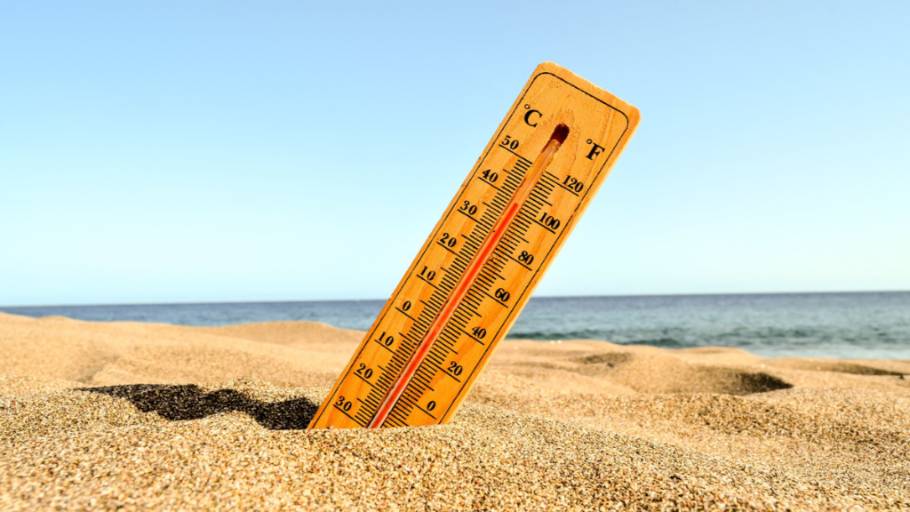
Karachi’s emergency rooms in late May 2026 tell the story everyone already knew was coming. Patients arriving with heat stroke. Elderly people brought in unconscious. Outdoor workers collapsing on construction sites. Children showing severe dehydration. The Pakistan Meteorological Department warned that 2026 summer temperatures would exceed historical averages across Punjab, Sindh, and Balochistan. The warnings were accurate and the consequences are visible across Pakistani healthcare facilities right now.
Temperatures in Karachi recently hit 42 to 44 degrees Celsius. Jacobabad and Sibi crossed 48 degrees. Lahore and Multan have stayed above 40 for extended periods. The 2015 Karachi heatwave killed over 1,200 people in days. The conditions producing those deaths haven’t gone away. They’ve gotten worse.
Following proper heatwave safety tips in Pakistan isn’t optional advice anymore. It’s basic survival information that every Pakistani household needs to know going into summer 2026.
This guide covers what heatwaves actually do to the body, the specific safety practices that prevent illness and death, how to recognize emergencies requiring hospital care, and the Pakistani-specific realities like power outages and water shortages that complicate everything.
What a Heatwave Actually Is
Before getting into safety practices, understanding what a heatwave is helps the advice make sense.
A heatwave is an extended period of abnormally hot weather, often with high humidity, where temperatures exceed normal seasonal averages by significant margins. In Pakistan, the Pakistan Meteorological Department officially declares heatwave conditions when temperatures exceed 45 degrees Celsius for three or more consecutive days.
The PMD uses three alert levels:
| Alert Level | Temperature Range | Action Required |
|---|---|---|
| Yellow Alert | 40 to 43°C | Stay aware, limit outdoor activity |
| Orange Alert | 43 to 46°C | Avoid outdoor exposure, stay hydrated |
| Red Alert | Above 46°C | Full emergency, stay indoors completely |
Heat extremes worsen chronic conditions including cardiovascular disease, respiratory conditions, diabetes, and mental health issues, while also causing acute kidney injury and direct heat illness deaths.
The risks aren’t abstract. They’re measurable in Pakistani hospital admissions and morgue records every summer.
Health Guidelines: “Read the official World Health Organization (WHO) Heatwave Health Advice.”
Recognizing Heat Stroke and Heat Exhaustion
The most critical heatwave safety tip is recognizing the warning signs early because heat stroke kills quickly once it sets in.
Heat illness progresses through stages:
Heat Cramps: Muscle pain, heavy sweating during heat exposure. Earliest warning sign. Action: rest, drink water, move to cool area.
Heat Exhaustion: Dizziness, nausea, weakness, heavy sweating, pale skin, headache, possible vomiting. Body temperature elevated but not critical. Action: move to cool area immediately, drink fluids, rest, apply wet cloths.
Heat Stroke: Body temperature above 40°C (104°F), confusion, altered mental state, stopping sweating despite heat, rapid pulse, possible unconsciousness. Action: medical emergency, call ambulance immediately while beginning cooling measures.
The critical warning sign is when someone stops sweating despite extreme heat exposure. This means the body’s cooling system has failed and heat stroke is occurring or imminent. This requires immediate emergency response, not just rest and water.
Practical Safety Practices for Daily Life
The heatwave safety tips that prevent most heat illness are straightforward but require actual implementation, not just awareness.
Stay indoors during peak heat hours. Avoid going out between 11 AM and 6 PM. If you must go out, carry water and wet cloths. The hottest hours produce the most heat illness cases.
Dress for the weather. Wear loose, lightweight, light-colored clothing. Light colors reflect sunlight while dark colors absorb it. Cotton breathes better than synthetic fabrics. Cover your head with a cap, hat, or dupatta when outside. Sunglasses help with eye strain in bright sunlight.
Keep your home cooler. Close curtains and blinds during the day to block sunlight. Open windows at night when temperatures drop. Hang wet sheets in front of fans for evaporative cooling. Sleep on lower floors of multi-story homes since heat rises. Apply wet towels to the back of your neck for immediate cooling relief.
Hydrate proactively. Drink water throughout the day even before feeling thirsty. Aim for 10 to 12 glasses minimum during heat. Increase if working outdoors or sweating heavily. Carry water bottles whenever leaving home.
Limit caffeine and avoid alcohol. Chai and coffee have mild diuretic effects that worsen dehydration. Alcohol significantly worsens dehydration and impairs heat regulation.
Check weather updates daily during summer months. Pakistani news, PMD alerts, and weather apps provide current conditions and warnings.
What to Drink During Heat
Hydration during heatwaves requires more than just plain water. Electrolyte replacement matters especially when sweating heavily.
Plain water remains the foundation. Drink continuously throughout the day.
Lemon water with salt and sugar is one of the best traditional Pakistani heat remedies. Provides electrolytes lost through sweat. 2-3 glasses daily during heatwave.
Lassi (yogurt drink) cools the body and replaces electrolytes. Salted lassi (namkeen) is better than sweet for heat conditions. Pakistani households have used this for generations.
Coconut water (naariyal pani) provides natural electrolytes including potassium. Available from street vendors during summer at PKR 100-200 per coconut.
Sattu drink (roasted gram flour mixed with water, salt, and lemon) is traditional Pakistani and South Asian cooling drink that provides nutrients alongside hydration.
ORS (Oral Rehydration Salts) available at every Pakistani pharmacy for PKR 30-50 per sachet. Medical-grade electrolyte replacement for serious dehydration prevention.
Aam panna (raw mango drink) is traditional summer hydration that cools the body and provides vitamins.
Fresh fruit juices without added sugar including watermelon and orange juice provide hydration plus vitamins.
What to avoid: cold bottled drinks from suburban vendors often contain bacteria due to heat exposure and can cause severe diarrhea or cholera. Stick to home-prepared drinks or sealed commercial products from reliable sources during heatwave conditions.
Foods That Help and Hurt
Diet affects how your body handles heat more than people realize.
Foods to eat during heat:
Cucumber and watermelon (very high water content). Yogurt and lassi (cooling, electrolytes). Fresh fruits including melon, mango, apples. Light rice dishes rather than heavy biryani. Mint and coriander in cooking and drinks. Coconut water and fresh fruit juices.
Foods to avoid during peak heat:
Deep fried foods like samosas, pakoras, and bhajiyas generate internal heat during digestion and slow recovery from heat exposure.
Heavily spiced curries increase body temperature and cause excessive sweating that accelerates dehydration.
Meat-heavy meals take longer to digest and produce more metabolic heat. Reduce portions during peak heatwave days.
Salty snacks (chips, namkeen, packaged crackers) increase thirst without providing genuine hydration.
Very cold drinks immediately after sun exposure can cause stomach cramps. Let body temperature normalize slightly first.
Caffeinated drinks and alcohol both worsen dehydration significantly.
Protecting Children and Elderly
Children and elderly people face dramatically higher heat illness risk and need specific attention during heatwaves.
For children:
Never leave children alone in parked cars even briefly. Interior temperatures can reach 70°C within minutes even with windows cracked. This causes deaths every Pakistani summer.
Encourage children to carry water bottles to school and drink throughout the day rather than waiting for breaks.
Dress children in loose, light-colored cotton clothing. Apply SPF 30 or higher sunscreen on children going outside.
Limit outdoor play to early morning before 9 AM or after sunset when temperatures are lower.
Watch for signs of heat illness including unusual quietness, red face, refusing to play, or excessive tiredness. Children may not articulate that they feel sick.
Schools should ideally adjust timing during heatwave alerts. Communicate with school administration if temperatures are dangerously high.
For elderly family members:
Check on elderly relatives at least twice daily during heatwave conditions, particularly those living alone.
Ensure rooms have working fans or air conditioning. Power cut backup options matter for elderly safety.
Elderly people often don’t feel thirsty even when significantly dehydrated. Encourage hourly water intake regardless of thirst.
People with diabetes, heart conditions, kidney problems, or taking certain medications face elevated heat risk. Store medications at proper temperatures because heat damages some drugs.
Don’t leave elderly people alone in homes without functional cooling during heatwave alerts.
Specific risk groups summary:
| Group | Primary Risk | Most Important Practice |
|---|---|---|
| Children | Rapid dehydration | Hourly water, avoid midday sun |
| Elderly | Silent dehydration, heart stress | Scheduled water intake, regular checks |
| Outdoor workers | Prolonged exposure | Wet cloth on neck, shade breaks |
| Pregnant women | Overheating, premature labor | Cool environment, extra hydration |
| Chronic illness patients | Medication interactions | Doctor consultation, proper storage |
The Karachi Situation
Karachi specifically faces severe challenges during 2026 heatwaves that compound the basic heat illness risks.
Government and private hospitals report significant influxes of heat-related patients. Jinnah Hospital, Abbasi Shaheed Hospital, Sindh Government Qatar Hospital, Liaquatabad Hospital, Malir Saudabad Hospital, and Korangi Hospital all report daily cases. Civil Hospital Karachi maintains a dedicated heat stroke emergency unit.
Karachi-specific complications:
Power cuts of 12 hours or more are common across the city during peak summer load. Studies confirm power cuts make heatwaves significantly deadlier because cooling systems stop working when needed most.
Air pollution from vehicles, industry, and limited green spaces traps heat and worsens respiratory complications.
Water supply unreliability during peak summer means many Karachi residents can’t access enough water for hydration, bathing, or cooling.
Population density in many areas means inadequate ventilation in housing and concentrated heat in neighborhoods.
Outdoor workers including laborers, rickshaw drivers, street vendors, and construction workers face extreme exposure without options to retreat indoors.
Karachi-specific practical steps:
Register with your nearest Sindh government cooling center if available in your area. The provincial government has set these up at various locations across Karachi.
Keep battery-powered or rechargeable fans ready for power cut hours. Solar-powered options have become more affordable.
Store extra water at home since municipal supply becomes unreliable during peak heatwave days. Aim for 5-7 days of drinking water reserve.
Know the location of nearest government hospital with heat stroke emergency capacity.
Save emergency contact numbers including Rescue 1122, Edhi (115), and Chhipa ambulance services on your phone before you need them.
When to Seek Medical Help
Knowing when to call for medical help versus when to manage at home can be the difference between life and death.
Go to hospital or call ambulance immediately if:
Body temperature above 40°C (104°F) that doesn’t come down with cooling measures.
Stopping sweating despite extreme heat exposure (cooling system failure).
Confusion, disorientation, or any altered mental state.
Loss of consciousness or fainting.
Rapid heartbeat combined with weakness or chest pain.
Seizures or convulsions.
Persistent vomiting making fluid intake impossible.
No urination for 8 hours or more (severe dehydration sign).
Severe headache that doesn’t respond to rest and water.
While waiting for help or during transport:
Move person to coolest available environment immediately.
Remove excess clothing.
Apply cool water or wet cloths to neck, armpits, and groin (where blood vessels are close to skin surface).
Fan continuously to speed evaporative cooling.
Give water by mouth only if person is fully conscious and able to swallow safely.
Do NOT give fluids to someone unconscious or confused.
Do NOT apply ice directly to skin (can cause shock).
Emergency response numbers in Pakistan:
- Rescue 1122 (most cities)
- Edhi ambulance: 115
- Chhipa Welfare ambulance services
- Direct hospital transport if ambulance unavailable
Severe dehydration combined with heat stroke can be fatal within hours if untreated. Don’t try to manage severe symptoms at home. Professional medical treatment with IV fluids is often necessary for recovery.
During Power Outages
Pakistani heatwave safety tips must account for the reality that power cuts often coincide with peak heat hours.
Before power cuts:
Charge battery-powered fans and rechargeable devices in advance. Fill buckets and bottles with water in case water supply also stops. Keep ice packs frozen for emergency cooling. Know your area’s load-shedding schedule when possible.
During extended power cuts:
Move to the coolest part of your home (lower floors, north-facing rooms, basement if available).
Use battery-powered or rechargeable fans, prioritizing them for elderly and children.
Apply wet cloths to body, particularly neck and wrists.
Take cool (not cold) baths or showers if water supply allows.
Drink extra water to compensate for increased sweating.
Avoid cooking on stoves during peak heat, which adds to indoor temperature. Prepare cold meals when possible.
Visit air-conditioned public spaces (malls, government cooling centers, restaurants) during the hottest hours if home becomes dangerous.
For elderly or chronically ill during power cuts:
Don’t leave them alone during extended outages in extreme heat. Check on neighbors who may need help. Consider relocating them to cooler locations if home becomes dangerous. Call medical help if symptoms develop and don’t improve quickly.
Ramadan Heat Considerations
When Ramadan falls during Pakistani summer months, heat safety becomes more complex due to 14-16 hour fasting windows during peak heat hours.
What helps for safer summer Ramadan:
At suhoor, drink 2-3 glasses of water plus milk or lassi. Eat hydrating foods like watermelon, cucumber, and yogurt. Avoid very salty foods that increase thirst.
Throughout the day, stay in cool indoor environments when possible. Reduce outdoor activity dramatically. Wear light cotton clothing.
At iftar, start with water and dates (traditional and effective). Drink water slowly throughout the night, aiming for 2-2.5 liters total between iftar and suhoor.
Islamic guidance specifically permits breaking the fast when continuing would cause genuine health harm. Severe heat illness during fasting is valid grounds to break the fast and seek medical care if needed.
People with chronic conditions, elderly, pregnant women, and children should consult religious scholars and doctors about fasting during severe heatwave conditions.
Outdoor Workers and Heat
Pakistani outdoor workers including construction laborers, street vendors, rickshaw drivers, security guards, agricultural workers, and delivery riders face the highest cumulative heat risk.
What helps for outdoor work safety:
Start work as early as possible to avoid peak heat hours. Many construction sites have shifted to early morning and evening hours during heatwaves.
Take frequent breaks in shade. Even 5-10 minute breaks every hour reduce cumulative heat stress significantly.
Wear loose light cotton clothing that allows sweat evaporation. Cover head and neck.
Carry adequate water throughout work shifts. Drink continuously rather than only during breaks.
Use wet cloths on neck and wrists for ongoing cooling.
Watch coworkers for signs of heat illness and don’t hesitate to call for help if symptoms appear.
Refuse work that requires continuous outdoor exposure during dangerous heat without breaks or cooling access. Pakistani labor law requires safe working conditions.
Employers have legal and ethical responsibility to provide water, shade breaks, and reasonable working hours during heatwave conditions.
Final Thoughts
Heatwave safety tips in Pakistan 2026 aren’t theoretical advice. They’re practical survival information that prevents the deaths that happen every summer when basic precautions aren’t followed.
The fundamentals matter: stay hydrated proactively, avoid peak heat hours, dress appropriately, watch for early warning signs, protect vulnerable family members, and know when to seek emergency medical help.
Pakistani-specific challenges including power cuts, water shortages, air pollution, and outdoor work realities require specific adaptations rather than just following general advice. Karachi residents particularly need to plan around these compounding factors.
Share this information with family members, neighbors, and community. The Pakistanis most likely to die during heatwaves are often those who didn’t recognize symptoms early enough or didn’t have anyone checking on them. Community awareness saves lives.
The 2026 summer will be dangerous. The conditions are documented. The risks are real. But the practices that prevent heat illness and death are also known and accessible. The difference between summers that pass safely and summers that fill hospital morgues comes down to whether people actually implement these practices consistently.
Stay aware. Stay hydrated. Stay alert to family members at risk. And don’t hesitate to seek medical help when symptoms suggest serious heat illness rather than waiting to see if things improve.

Comments