
High Protein Foods for Muscle Gain: The Real Pakistani Guide for 2026
High protein foods for muscle gain is something every Pakistani bodybuilder, gym enthusiast, and fitness beginner searches for at some point. We all want to build muscle. We all know protein matters.
High protein foods for muscle gain is something every Pakistani bodybuilder, gym enthusiast, and fitness beginner searches for at some point. We all want to build muscle. We all know protein matters. But most articles about muscle-building nutrition are written by American fitness influencers pushing expensive supplements, or by content mills copying generic information without understanding what’s actually available in Pakistan.
Look, I’ve been training seriously for years and I’ll give you the honest picture. Building muscle in Pakistan doesn’t require imported whey at PKR 30,000+ per tub. It doesn’t require exotic superfoods. What it requires is understanding which local foods deliver serious protein, how to combine them for daily targets, and building sustainable eating habits that work with Pakistani food culture.
This guide covers high protein foods for muscle gain with practical information for Pakistani lifters. Local foods that pack serious protein at reasonable prices. How much protein you need. Sample meals. And honest advice about supplements including the massive fake supplement problem in Pakistan.
Why Protein Actually Matters
Before jumping into high protein foods for muscle gain, understand why protein matters.
Muscle tissue is made primarily of protein. When you lift weights, you create small tears in muscle fibers. Your body repairs and rebuilds them slightly larger and stronger. This process requires amino acids from dietary protein.
Without adequate protein, no amount of training produces meaningful muscle growth. You can lift six days a week for years and see minimal results if protein intake is inadequate. Nutrition matters as much as training.
Daily protein target for muscle gain is 1.6-2.2 grams per kilogram of bodyweight. For a 70kg lifter, that’s 112-154 grams daily. For 80kg, 128-176 grams. For 90kg, 144-198 grams.
Most Pakistanis eat nowhere near this much. Average Pakistani diet has plenty of carbs from roti and rice but chronically low protein. This is why so many gym members train hard but see minimal muscle growth. The nutrition side fails them.
The Best Protein Foods for Muscle Building in Pakistan
Let me break down actual high protein foods for muscle gain at 2026 prices.
Eggs
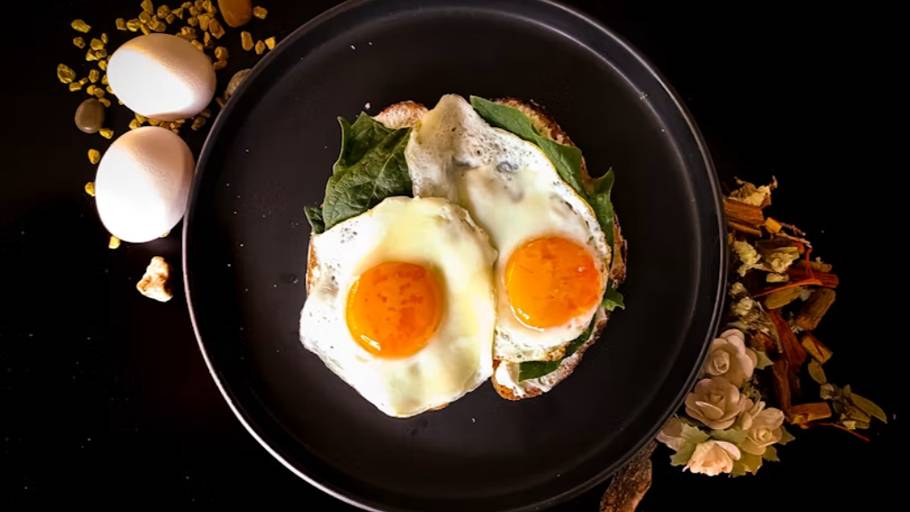
Eggs are the single best protein foods for muscle building for Pakistani lifters. Complete protein with all essential amino acids. Around 6-7 grams protein per egg. Currently PKR 30-40 per egg depending on region.
For serious muscle building, eat 4-8 eggs daily. Whole eggs with yolks. Cholesterol concerns from decades ago have been largely debunked for healthy individuals.
Boiled, fried, scrambled, omelet – all work. Just don’t drown them in oil daily if body composition matters.
Cost per 30g protein: approximately PKR 150-200. Still among the most cost-effective complete protein sources.
Chicken
Around 30-35 grams protein per 100 grams cooked chicken. Boneless breast currently PKR 1,100-1,400 per kg. Serious inflation from previous years.
Chicken thighs more affordable at PKR 700-950 per kg with bone. Slightly higher fat but sufficient protein and better price. Whole chicken PKR 550-750 per kg, and butcher can cut it for you.
Pakistani cooking works fine. Curry, karahi, boti, sabzi. Watch oil quantity if body composition matters.
Cost per 30g protein from chicken breast: approximately PKR 150-220.
Beef and Mutton
Beef provides 25-28 grams protein per 100 grams plus iron, zinc, and B12 supporting recovery. Currently PKR 1,400-2,000 per kg for good cuts. Cheaper cuts PKR 1,000-1,300 per kg.
Mutton has become genuinely expensive at PKR 2,500-3,500 per kg. Occasional treat rather than regular protein source for most people at these prices.
Nihari, korma, karahi – traditional cooking works if oil controlled. 1-2 times weekly is realistic for most middle-class lifters.
Cost per 30g protein from beef: approximately PKR 180-280.
Fish
Fish is underused in Pakistani muscle-building diets. Rohu, singhara, palla provide 20-25 grams protein per 100 grams. Coastal areas have better access and prices (PKR 400-800 per kg). Inland areas higher (PKR 700-1,200 per kg).
Fish provides omega-3 fatty acids supporting recovery and reducing training inflammation. 1-2 fish meals weekly noticeably helps.
Milk and Dairy
Milk is one of the best protein foods for muscle building available. Full-fat milk provides 8g protein per 250ml. Yogurt similar. Paneer 18-20g per 100g.
Adding 500ml-1 liter milk daily provides 16-32g protein at reasonable cost. Nestle Milkpak PKR 260-320 per liter. Local milk (dodhwala) PKR 180-230 with proper boiling.
Yogurt PKR 200-280 per kg. Paneer PKR 800-1,200 per kg. Homemade both are cheaper.
Lentils and Legumes
Daal is the muscle-building diet foundation most Pakistani lifters don’t respect enough. Various daals provide 20-25 grams protein per 100g dry weight. Chana, mash, moong daal – all excellent.
Combining daal with rice or wheat creates complete amino acid profile. Traditional daal chawal and chana with roti are more nutritionally complete than most people realize.
2026 prices PKR 500-750 per kg dry weight. Cost per 30g protein: approximately PKR 20-30. Nothing beats this even with inflation.
Chickpeas and Peanuts
Chana provides 19g protein per 100g cooked. Rajma and lobia similar. All Pakistani kitchen staples.
Peanuts (moongfali) provide 26g protein per 100g. Peanut butter locally PKR 600-900 per kg. Making your own from roasted peanuts even cheaper.
Cost per 30g protein from chana: PKR 25-40. Cheapest quality protein available.
Sample Muscle-Building Diet
Practical daily structure for a 70-80kg lifter aiming for 140-160g daily protein:
Breakfast (35-40g protein): 4 whole eggs, 250ml milk with 2 tablespoons peanut butter, 2 rotis or oats
Mid-morning (15-20g): 1 cup yogurt with fruit, handful of almonds
Lunch (40-45g): 150-200g chicken curry or beef karahi, 1 cup daal, 2 rotis or 1 cup rice, vegetables
Afternoon snack (15-20g): Chana chaat or paneer with vegetables or boiled eggs
Dinner (35-40g): 150-200g chicken/fish/beef, 1 cup daal, 2 rotis or salad, vegetables
Before bed (10-15g): 250ml milk or Greek yogurt or few eggs
Total: 150-180g protein daily. Adjust portions based on bodyweight.
Estimated daily food cost at 2026 prices: PKR 800-1,400 depending on protein sources. Cheaper with more daal/chana, more expensive with heavy meat reliance.
The Supplement Question (Read This Carefully)
The supplement industry pushes hard on Pakistani lifters. Let me be honest about what actually helps and what dangers exist.
Whey protein: Convenient way to add 20-25g protein per serving. Useful post-workout when whole food isn’t practical. Not necessary if you eat enough real food.
Imported whey (Optimum Nutrition, Dymatize, MyProtein) costs PKR 30,000-40,000 per 2kg tub. Local brands (Ultimate Nutrition Pakistan, Nutrifactor, Prima Force) cost PKR 15,000-22,000.
Critical Warning: The Fake Supplement Problem in Pakistan
Pakistan has a genuinely massive counterfeit supplement industry. Fake protein powders, creatine, and other supplements are everywhere. These often contain fillers, cheap flour, banned substances, or contaminants that can seriously harm your health.
Before buying ANY supplement in Pakistan, verify these things:
- DRAP registration: Drug Regulatory Authority of Pakistan registration for regulated supplements
- Halal certification: Reputable brands have proper halal certification indicating quality control
- Authorized dealers only: Not random supplement shops or online sellers. Major nutrition stores directly authorized by brands are safer
- Verify batch numbers with brand: Legitimate brands verify authenticity of batch numbers on request
- Price warning signs: Someone offering imported whey for PKR 15,000 when authorized sellers charge PKR 30,000 is almost certainly fake
- Physical inspection: Fake products have poor packaging, wrong logos, misspellings, incorrect seals
Fake supplements have caused kidney issues, hormonal disruption, and hospitalization for Pakistani lifters. The savings aren’t worth the health risks.
Creatine monohydrate: Actually works. Same DRAP verification warnings apply. PKR 3,500-5,500 for 300g from legitimate sources.
BCAAs, pre-workouts, mass gainers, test boosters, fat burners: Mostly unnecessary or scams. Skip these. Also heavily counterfeited in Pakistani market.
For most Pakistani lifters:
- Real food priority: 90% of nutrition budget
- Verified whey from authorized dealers only: PKR 15,000-22,000 monthly if desired
- Verified creatine: PKR 1,200-1,800 monthly
- Everything else: Not needed
Common Muscle-Building Diet Mistakes
Not eating enough total food: Muscle building requires caloric surplus of 300-500 above maintenance. Same intake as before starting gym won’t build muscle.
Ignoring carbs: Protein builds muscle, carbs fuel training. Don’t cut carbs while trying to build muscle.
Skipping protein at breakfast: Traditional paratha and chai has minimal protein. Add eggs or milk.
Not tracking anything for first few months: Know approximately how much protein you’re eating. Use apps like MyFitnessPal initially.
Buying supplements without verification: Counterfeit market means saving PKR 5,000 on fake whey isn’t worth kidney damage. Always verify DRAP registration and buy from authorized dealers.
Following American diets exactly: They eat different foods. Adapt principles to local availability.
Chasing exotic superfoods: Quinoa and chia seeds are overrated. Local daal, chana, eggs work as well at fraction of cost.
Ignoring hydration: Pakistani heat plus training plus high protein requires 3-4 liters water daily.
For Vegetarians
Building muscle on vegetarian diet is harder but possible. Key sources: paneer, milk, yogurt, all daals, chana, rajma, peanuts, eggs if lacto-ovo. Complete protein combinations (rice + daal, roti + chana) provide all essential amino acids.
Vegetarian lifters need higher food volumes to hit protein targets. Also benefit more from protein supplementation (with same DRAP verification requirements).
Realistic Timelines
Beginners can gain 8-12 kg muscle in first year with proper training and nutrition. Intermediate lifters (past first year) gain 3-6 kg annually. Advanced lifters gain 1-3 kg annually if lucky.
Progress requires patience. You won’t look dramatically different in 3 months. Six months produces visible changes. Twelve months produces significant transformation. Multi-year commitment produces the physiques you see on Instagram.
Skipping steps doesn’t work. Steroids accelerate results but carry serious health risks including permanent organ and hormonal damage. Don’t use them. The same underground market selling fake supplements also sells fake or dangerous steroids in Pakistan.
Final Thoughts
High protein foods for muscle gain in 2026 don’t require expensive imports. Pakistani kitchens contain everything needed. Eggs, chicken, beef, milk, daal, chana. Inflation has made everything more expensive but the basics still work.
For serious Pakistani lifters, my honest advice on high protein foods for muscle gain is: prioritize real food over supplements, eat protein at every meal, hit 1.6-2.2g per kg bodyweight consistently, verify any supplements through DRAP and authorized dealers only, and be patient because muscle building takes years not months.
The best protein foods for muscle building are those you’ll actually eat consistently for months and years. Sustainable Pakistani muscle-building diet using foods you enjoy produces genuine results.
Protein diet for bodybuilding doesn’t need to be complicated. Eggs at breakfast. Chicken or beef at lunch. Daal at dinner. Milk throughout the day. Fish weekly. This structure with adequate calories builds serious muscle over time.
That’s the real picture of high protein foods for muscle gain for Pakistanis in 2026. Real foods, current prices, sustainable patterns, honest timeline expectations. Verify supplements through DRAP to avoid the counterfeit epidemic. Local foods beat imported hype. And the journey takes years, not months.
How Does Plastic Pollution Affect Oceans: The Real Environmental Crisis Explained


Comments