India Loses Third Tejas Fighter Jet: Fleet Grounded as Safety Concerns Deepen Over Indigenous Program
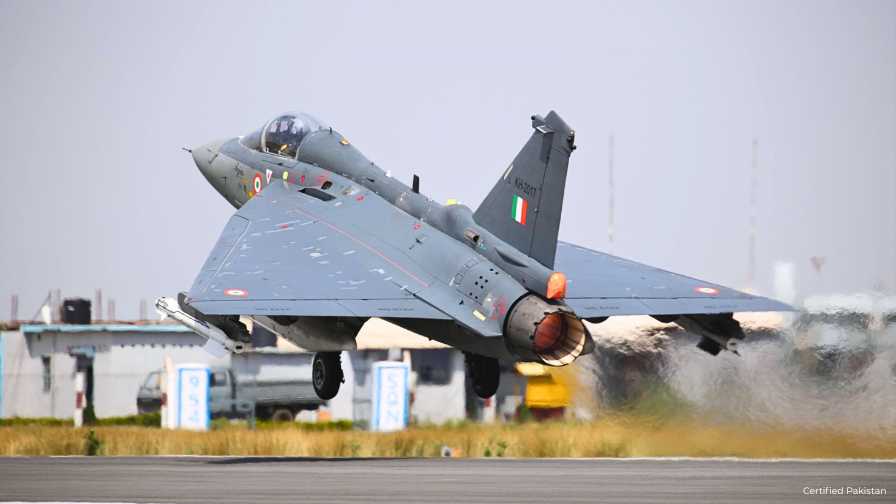
The Indian Air Force( IAF) has faced another blow after one of its HAL Tejas fighter spurts crashed during a routine training ramble before this month. Fortunately, the airman ejected safely, but the aircraft suffered severe damage and may be written off. Early reports suggest a specialized fault or possible boscage failure may have caused the runway overrun, though examinations are still ongoing.
This incident marks the third Tejas loss since the aircraft was instated. The first crash happed near Jaisalmer in March 2024 during a horsepower demonstration, with the airman escaping unharmed. A alternate accident passed at the Dubai Airshow in November 2025, tragically claiming the life of airman Namansh Syal after he was unfit to eject. These repeated lapses have put the IAF’s newest light combat spurt under close scrutiny.
Following the rearmost accident, Indian media reports that the IAF has predicated its line of around 30 single- seat Tejas spurts for thorough specialized examinations. This step is a standard palladium after repeated incidents, but it raises questions about the aircraft’s trustability and readiness.
Developed by Hindustan Aeronautics Limited( HAL), the Tejas was designed as amulti-role fighter able of air defence, maritime surveillance, and strike operations. It was introduced to replace geriatric MiG- 21s and strengthen India’s air combat capabilities. The Tejas Mk1A programme, still, has endured nearly two times of detainments despite orders for 180 spurts. In September last time, the defence ministry placed an fresh order for 97 aircraft worth INR 623.7 billion, aiming to boost indigenous fighter product and reduce dependence on foreign significances.
Experts say that while accidents are n’t unusual in military aeronautics, multiple incidents in a short span attract heightened scrutiny. examinations generally examine conservation records, onboard systems, and airman protocols to determine the exact cause. A prolonged grounding of the Tejas line could affect functional preparedness, as the IAF is formerly operating below sanctioned squadron strength.
Despite these challenges, the Tejas programme remains central to India’s indigenous defence sweats. Judges note that numerous advanced fighter spurts encyclopedically faced early lapses before getting completely functional. The coming weeks will be pivotal in relating the cause of the rearmost crash and icing the line can safely return to service.
For now, the grounding highlights the significance of rigorous safety checks and careful oversight in military aeronautics. The Tejas, a symbol of India’s tone- reliance in fighter development, continues to carry high prospects both strategically and technologically.