
Ertugrul Ghazi: The Real History Behind the Turkish Hero
Ertugrul Ghazi became a household name after that Turkish drama exploded during COVID lockdowns. Suddenly everyone was watching. Parents who never touched TV became obsessed. Kids started naming their pets Bamsi and Turgut. Wedding halls started playing the show’s music. For a couple of years, this became cultural phenomenon nobody could escape.
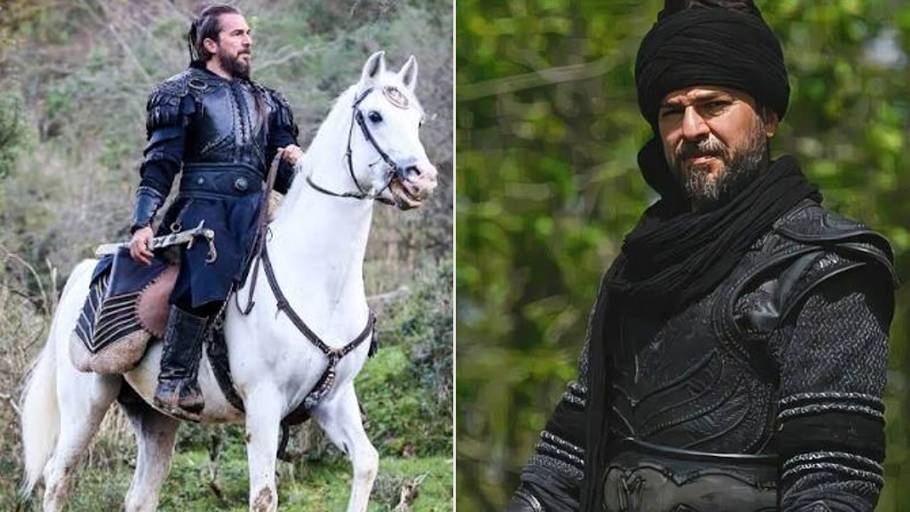
Ertugrul Ghazi became a household name after that Turkish drama exploded during COVID lockdowns. Suddenly everyone was watching. Parents who never touched TV became obsessed. Kids started naming their pets Bamsi and Turgut. Wedding halls started playing the show’s music. For a couple of years, this became cultural phenomenon nobody could escape.
Look, let me be real with you. Most viewers got their entire knowledge of this figure from that drama. Which is completely fine for entertainment. But the actual history is quite different from what the show presented. The real Ertugrul was fascinating but also mysterious in ways the show couldn’t capture. We genuinely don’t know much about him definitively.
This is what historians actually know versus what got dramatized for entertainment. His real life to the extent we can reconstruct it. Real Ertugrul Ghazi facts versus dramatized ones. And why he still matters despite so much uncertainty about the specifics.
The Historical Problem Nobody Talks About
Here’s something the show didn’t tell you. We have very limited direct historical evidence about this man’s life. This is genuinely a problem for anyone wanting real Ertugrul Ghazi history.
The Ottoman Empire his son founded became one of history’s great powers. But when Ertugrul actually lived (roughly 1191-1281 CE), his tribe was small unimportant nomadic group among many similar tribes wandering around Anatolia. Nobody was writing detailed accounts about him during his lifetime. Why would they? Nobody knew his descendants would become world-shaking empire.
Most of what we “know” comes from Ottoman sources written 100-200 years after his death. By then, Ottoman historians were writing about founding of dynasty that had become powerful. They had strong incentive to create heroic origin story for their founder’s father. So they did.
Modern historians treat many “facts” from these sources with skepticism. Some details appearing in traditional accounts are likely legend. Some vary significantly between different sources. Some may be entirely later invention.
This uncertainty doesn’t mean he didn’t exist. He clearly did. His descendants would establish one of history’s most successful empires. But specific details about his life require honest acknowledgment that we’re often guessing based on much later sources.
The character in the Turkish drama is largely fictional built around historical framework. That show wasn’t documentary. It was entertainment inspired by limited historical facts and lots of creative imagination.
Who Was Ertugrul Ghazi Really
Who was Ertugrul Ghazi in verifiable historical terms? Basically he was leader of Kayı tribe of Oghuz Turks who migrated from Central Asia into Anatolia during 1200s. That’s the essential fact everything else builds on.
The Oghuz Turks were nomadic pastoral people who had converted to Islam over previous centuries. They lived by herding sheep, cattle, and horses. Moving between grazing lands seasonally. Life was harsh and required constant movement, tribal cooperation, and defense against various threats.
The Mongol invasions were pushing Turkish tribes westward from Central Asia into Anatolia during this period. The Seljuk Sultanate that had ruled Anatolia was weakening under Mongol pressure. This created power vacuum. Various Turkish tribal groups moved into this space looking for territory to settle.
Ertugrul’s tribe was one of many such groups. The Kayı were moderate in size. Not particularly distinguished among competing tribes when he took over leadership. They eventually settled near Söğüt in northwestern Anatolia, right near border between Seljuk territory and Byzantine Empire.
His father was reportedly Suleyman Shah. Even this basic fact is debated by historians. Traditional accounts say Suleyman Shah drowned while crossing Euphrates River, after which Ertugrul took over leading the tribe. Whether this actually happened this way, or is later invention explaining the succession, remains uncertain.
The tribe received land grant from Seljuk Sultan Alaeddin Kayqubad I in exchange for defending Seljuk borders. This grant near Söğüt became foundation for what would eventually become Ottoman state.
What Tribal Life Was Actually Like
The Kayı tribe was nomadic pastoralist group with population probably in low thousands. Not the massive organized force the show sometimes depicts. Just a few thousand people trying to survive and prosper.
They moved seasonally between summer highlands and winter lowlands, following grass and water for their herds. Every year the same rhythm of migration, setup, herding, and moving again. Life required constant work and cooperation.
Tribal leadership was earned rather than purely hereditary. A leader had to demonstrate real capability in battle, diplomacy, and managing tribal affairs. Ertugrul held his position through actual competence, not just birth privileges.
The relationship with Seljuk Sultanate was that of vassal to overlord. Tribes like Kayı received protection and land grants in exchange for military service. This wasn’t independent kingdom. It was semi-autonomous position within larger Seljuk framework. Something the drama tends to gloss over because it makes him look less independent.
Religious life mixed Islamic practice with pre-Islamic Turkish traditions. The Kayı were Muslims but their Islam was influenced by centuries of Turkish culture, Sufi mysticism spreading from Central Asia, and various syncretic practices. Not the pure orthodox Islam the show sometimes suggests.
Diplomatic relationships with surrounding groups included both Muslim and Christian entities. Byzantine Empire wasn’t uniformly hostile enemy despite what dramas suggest. Trade, alliances, coexistence, and occasional conflict all happened. Real medieval politics was messier than clean narratives about Muslim heroes fighting Christian villains.
What Actually Happened in His Life
The Ertugrul Ghazi history we can reasonably reconstruct includes several key elements. His tribe arrived in Anatolia probably in early 1200s, fleeing Mongol invasions of Central Asia. Various accounts suggest they came from area near Merv in modern Turkmenistan, though even the specific origin is debated.
They initially served Seljuk Sultan as border defenders. The Seljuks needed reliable tribes to hold territory against Byzantine Empire. Exchange was straightforward. Tribes got land and permission to expand at Byzantine expense. In return they provided military service when needed.
He reportedly won some notable battles during his Seljuk military service. Specific details of these battles are limited in historical record. Those dramatic battle scenes in the TV show are mostly invented for entertainment. Real medieval tribal warfare involved much smaller numbers, less coordination, and much messier outcomes than any drama would show.
His marriage to Halime Hatun is traditionally accepted though even her identity is disputed among historians. Some accounts suggest she was princess of Ayyubid dynasty. Others suggest more modest origins. The evidence just isn’t strong enough to be certain either way.
He had at least three sons that we know of. Gunduz, Savci, and Osman. Osman would become the founder of Ottoman Empire. The other sons play various roles in traditional accounts but neither achieved comparable historical importance.
He died around 1281 CE, probably around age 90. His tomb still exists at Söğüt in modern Turkey and remains active pilgrimage site to this day.
Beyond these basic outlines, much of what’s said about him mixes history with legend. The specific adventures, dramatic battles, political intrigues, and romantic subplots are largely later inventions or modern dramatisation rather than documented events.
The Real Achievements
His actual Ertugrul Ghazi achievements were modest during his lifetime but historically significant in retrospect.
He successfully led his tribe through dangerous migration and resettlement period. Moving thousands of tribespeople across vast distances while defending against various threats required genuine leadership capabilities. Many similar tribes fragmented or got absorbed by others during this chaotic period. Kayı survived intact under his leadership.
He established tribal presence in Söğüt area that would become foundation for Ottoman state. This location wasn’t random. It was strategically positioned near Byzantine border where opportunities for future expansion existed.
He maintained loyalty to Seljuk Sultanate that gave his tribe protection and legitimacy. Balancing tribal independence with vassal obligations required real diplomatic skill. Push too hard for independence and Seljuks might crush you. Be too obedient and you’d never expand. He walked that line successfully.
He preserved tribal cohesion through difficult period. Many similar tribes fragmented or were absorbed. Kayı maintained identity and organizational structure that made later Ottoman achievements possible.
Most importantly, he raised sons capable of continuing tribal leadership. Osman particularly would build on his father’s foundation to found Ottoman state around 1299 CE.
But let’s be honest. This wasn’t world-shaking figure the TV drama presents. He was capable tribal leader whose historical importance comes largely from being father of Osman. The Ertugrul Ghazi achievements weren’t remarkable by standards of Muslim history that includes Umar ibn al-Khattab, Salahuddin Ayyubi, or Mehmed the Conqueror. His importance is real but comes through what he enabled rather than what he directly accomplished.
Drama Versus What Actually Happened
Since most viewers got their entire knowledge from that Turkish drama, honest comparison matters. Real Ertugrul Ghazi facts differ from the show in important ways.
The drama presents its central character as protagonist of grand historical narrative. In reality, historical records treat this figure as relatively minor whose main significance is being father of Osman. That’s a huge downgrade from the show’s presentation.
The elaborate battles, political intrigues, romances, and adventures depicted are mostly fictional. Historical life was probably focused on managing tribal economy, seasonal migrations, occasional border warfare, and internal tribal politics. Much less dramatic than TV requires.
Characters like Ibn Arabi, various sultans, and other historical figures appearing in show didn’t necessarily have documented interactions with him. The show creates dramatic scenarios by placing historical figures in constructed narratives. Ibn Arabi was real historical figure but his interactions as shown are dramatic invention.
The religious themes emphasized in show reflect modern Turkish Islamic revivalism as much as historical 1200s religious environment. Actual religious practice of Kayı tribe would have looked quite different from show’s clean portrayal.
The political framework with Ertugrul as principled Muslim hero opposing corrupt villains is dramatic construction. Historical tribal politics was messier. Shifting alliances. Pragmatic calculations. Not clear moral battles between good and evil.
None of this criticizes the drama as entertainment. Historical dramas across every culture work this way. They dramatize and simplify because that’s what entertainment requires. The problem is only when entertainment gets treated as historical documentation.
The Son Who Actually Built the Empire
Understanding who was Ertugrul Ghazi properly requires understanding his son Osman who actually founded the empire. Osman I (1258-1326) took over Kayı tribal leadership after his father’s death around 1281. Osman’s achievements were substantial and much better documented.
Osman began the actual empire building process. He captured Byzantine territories systematically over decades. He built alliances with other Turkish beyliks. He established administrative structures that would become foundation of Ottoman government.
The battle of Bapheus in 1302 against Byzantines was major early victory. This established Ottoman military capability and expanded territory significantly.
Osman formalized independence from Seljuk overlordship as Seljuk power collapsed. He became first true Ottoman ruler rather than tribal chief under larger authority. This transition from tribal leader to independent ruler was his achievement, not his father’s.
His son Orhan continued expansion. Orhan’s son Murad I established Ottoman rule in Europe. Their successor Mehmed the Conqueror would eventually capture Constantinople in 1453, permanently changing world history.
The Ottoman Empire that lasted until 1922 was built on foundations Osman established. Ertugrul was necessary but not sufficient. He was capable father who preserved tribal identity and passed leadership to capable successor. But the actual empire building was Osman’s achievement, not his.
Why He Still Matters
Despite historical limitations, this figure remains important for several reasons.
He represents beginning of what became Ottoman Empire. Every empire needs its founding story. Whether every detail is verifiable matters less than the symbolic role he plays in Ottoman historical memory.
He exemplifies successful tribal leadership during Turkish migration into Anatolia. His ability to preserve tribal cohesion and establish stable base while other groups fragmented shows genuine leadership capability. The Ertugrul Ghazi achievements in maintaining tribal identity deserve recognition even without dramatic elaboration.
He demonstrates that historical significance sometimes comes through what one enables rather than what one directly accomplishes. His greatest achievement was raising Osman and providing foundation. This kind of generational transmission of capability matters historically.
He provides connection point for modern Turkish and broader Muslim identity. In current Turkey and among Muslims globally, he symbolizes Islamic heritage, Turkish origins, and historical continuity.
His tomb at Söğüt remains active site of Muslim visitation and remembrance. This ongoing cultural importance means he continues functioning as symbolic figure regardless of exact historical details we can verify.
Separating Fact From Fiction
For anyone wanting accurate Ertugrul Ghazi facts versus dramatic entertainment, several distinctions matter.
The drama is inspired by history but not equivalent to it. Actual historical events and figures used as framework for constructed dramatic narrative. Neither should be confused for the other.
Specific battle scenes, dialogues, and dramatic moments are inventions of screenwriters. They didn’t happen exactly as depicted. Historical records don’t preserve that level of detail even for well-documented figures.
Some characters are historical, others are composite creations, others are entirely invented. The costume design, weapons, and architectural details are approximations mixed with dramatic license.
None of this means the show shouldn’t be enjoyed as entertainment. Historical dramas across cultures work this way. The problem is only when entertainment gets treated as historical documentation.
For actual Ertugrul Ghazi history, consulting academic sources on Ottoman origins provides better understanding than any drama can. But drama can spark interest that leads to genuine historical study, which is genuinely valuable.
Final Thoughts
He occupies unusual position in historical memory. Limited documentation about his actual life. Massive cultural presence due to modern drama. Symbolic importance as father of Ottoman founder. Real historical figure whose life story has been so heavily dramatized that separating fact from fiction requires careful attention.
My honest advice for anyone interested in learning more: enjoy the drama as entertainment while understanding it’s dramatic interpretation not documentary. Read actual historical sources for factual knowledge. Recognize the difference between historical figure (relatively minor tribal chief whose main importance was raising Osman) and dramatic character (epic hero of complex constructed narrative).
The Ertugrul Ghazi facts we can verify are limited but sufficient to establish him as real historical figure of genuine if modest importance. Everything beyond documented facts should be treated as either legitimate historical interpretation, later legend, or modern dramatization.
The real Ertugrul Ghazi history teaches us that important historical figures don’t always match dramatic versions of themselves. Sometimes the truth is more modest than legend. Sometimes the actual achievements matter less than the foundation someone provides for others to build on. Both truths apply here.
For anyone whose interest in Islamic history was sparked by the show, that interest is genuinely valuable. Just channel it toward reading actual Ottoman history, learning about various Muslim empires and their founders, understanding Turkish history in Anatolia, and appreciating the complex real history that inspired dramatic entertainment.
Understanding who was Ertugrul Ghazi honestly means accepting both his real historical role and his modern cultural significance. Neither cancels the other. The historical figure deserves accurate understanding. The dramatic character serves meaningful function for modern audiences. Both matter in their own ways.
That’s the honest picture. Real historical figure whose limited documented life became foundation for one of world’s great empires. Modern cultural icon whose dramatic version differs significantly from what history actually recorded. The Ertugrul Ghazi achievements were modest but genuinely important through what they enabled. Confusing history with drama serves neither well.
Why Did the Ottoman Empire Fall: The Real Story Behind a 600-Year Collapse

Comments