Fifty years ago, nobody was booking trips to the UAE. There was not much to book a trip to. A few fishing villages on the Gulf coast, pearl divers working the same waters their fathers and grandfathers had worked, and a whole lot of desert in between. The rest of the world had other things on its mind.
Then oil changed everything, and after oil came something nobody quite predicted. Today Dubai gets more tourists in a year than many countries manage in a decade. Abu Dhabi has a Louvre. Ras Al Khaimah, which most people would have struggled to find on a map not long ago, is pulling in hikers and adventure travelers from across Europe and Asia. One generation. That is all it took.
The Money Side of It
International visitor spending in the UAE hit AED 228.5 billion in 2025, which is 37 percent higher than the previous record set back in 2019. Tourism now accounts for close to 13 percent of the entire economy and keeps around 925,000 people employed. Those are not small numbers for a country that not long ago was running almost entirely on oil.
There are over 1,100 hotels across the country now, with more than 200,000 rooms between them. Over 150 are classified as luxury. That gives the UAE nearly half of all the luxury hotel supply in the Gulf, which tells you something about the kind of visitor it is going after. This is not a budget destination and has never tried to be. The pitch is something else entirely.
What Draws People In
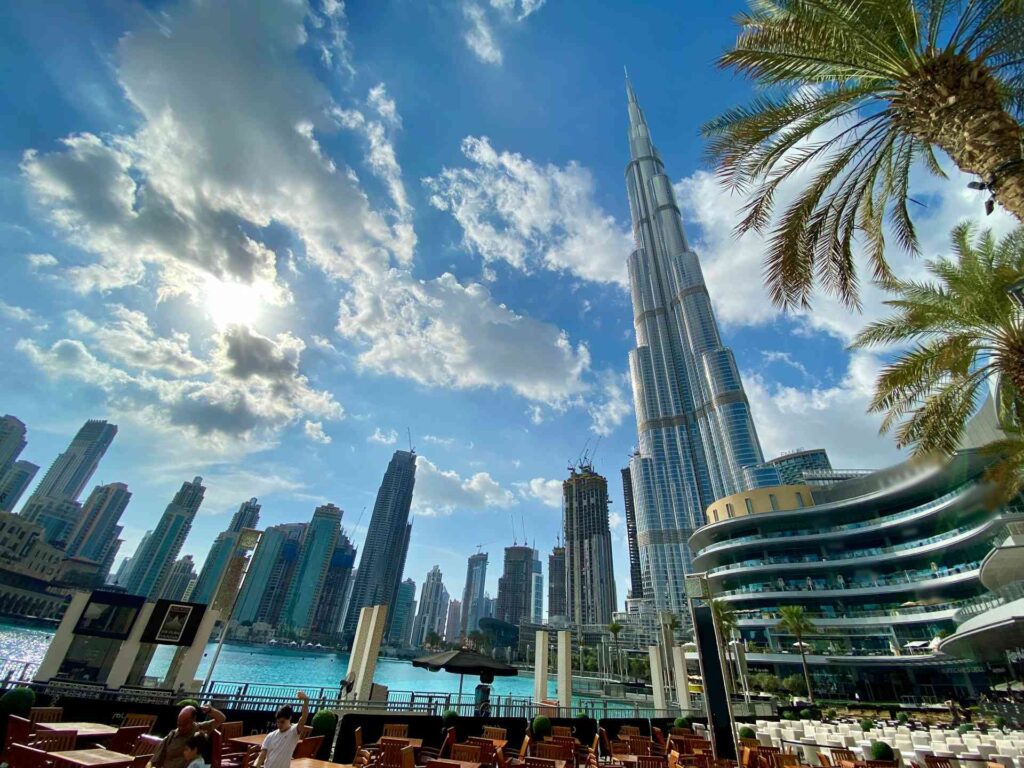
Dubai is still the main event and it knows it. The Burj Khalifa is the tallest building in the world and people still come just to stand at the bottom of it and look up. The Dubai Mall sits at its feet and somehow manages to pull in around 100 million people a year, which puts it among the most visited buildings anywhere on earth. None of this happened by accident. Dubai built things that did not exist anywhere else and then waited for the world to show up, which it did.
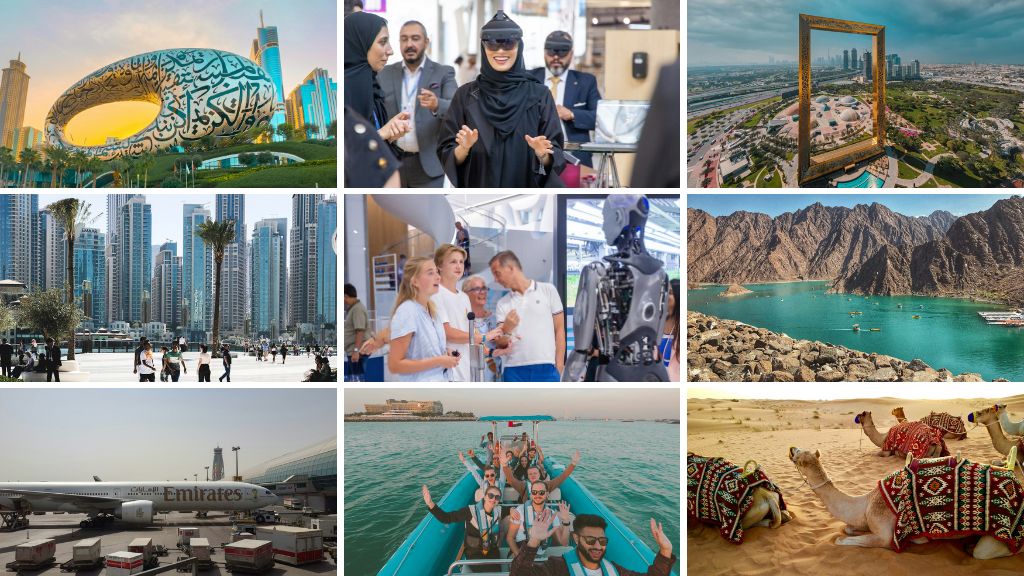
But the more interesting shift in recent years is what is happening outside Dubai. Abu Dhabi has been quietly building a different kind of reputation. The Louvre Abu Dhabi opened in 2017 on Saadiyat Island and it genuinely surprised people who expected a vanity project. It is a serious museum with a serious collection, and it pulled in visitors who would not normally book a trip to the Gulf. Saadiyat Island is still being developed around it, with more cultural institutions on the way.
Ras Al Khaimah went a different way. No massive malls, no record-breaking towers. Just mountains, trails, and open sky. The Hajar Mountains run right through it and somewhere along the way someone decided that was enough. Turns out they were right. People who want to get away from the noise of Dubai are starting to show up here instead, pitching tents in the mountains and actually switching off for a few days. It does not get talked about as much as Dubai but that might be exactly the point.
Where the Visitors Come From
India has always been the biggest sender of tourists to the UAE, and the reasons are not hard to understand. There are over three million Indians already living there, the flights run all day in both directions, and the two countries have been doing business with each other for centuries before the UAE even existed as a country.
Western Europe fills up the hotels through winter. When it is grey and cold in London or Paris or Amsterdam, Dubai is warm and sunny, and that alone is enough for a lot of people to make the trip. Russia used to be one of the bigger markets too, but that has become complicated for obvious reasons.
Africa is the newer part of the story. Arrivals from the continent have been climbing steadily and airlines have been adding routes to keep up with it. It is a market the UAE has been paying attention to, and the numbers suggest that attention is starting to pay off.
Business travel is a bigger part of the story than people sometimes realize. Dubai in particular has built itself into a serious conference and exhibition destination, and business visitors tend to spend more and stay longer than leisure travelers. Healthcare tourism has also grown quietly but steadily, with people coming for medical procedures and bringing family along who then spend weeks at a time in the country.
What It Is Really About
The UAE has oil. Everyone knows that. But the people running the country have known for a long time that oil has a shelf life, and they have been building other things to replace it with a focus that is hard to find elsewhere in the region. Tourism is one of the most visible results of that thinking.
The sector is projected to contribute AED 287.8 billion to the economy by 2035 and support over a million jobs. The government is putting money into sustainable tourism, infrastructure, and cultural projects that are meant to give people reasons to come back beyond the initial curiosity that brings them the first time.
What the UAE worked out before most places did is that if you build something genuinely worth seeing, people will get on a plane and come. It built the tallest tower. It built a desert city with an indoor ski slope. It brought the Louvre to the Arabian Gulf. Some of it is showy and some of it is genuinely impressive, and sometimes it is both at the same time.
The visitors keep coming. The building keeps going. And the country that was a fishing coastline within living memory is now one of the most visited places on earth. However you feel about how it got there, that is a remarkable thing to have pulled off.