
Importance of Prayer in Islam: The Real Meaning Behind Salah
Importance of prayer in Islam is one of those things every Pakistani Muslim grows up knowing about but rarely thinks about deeply. From childhood we hear “namaz parho.” We learn the movements. We memorize the surahs. Five times daily gets drilled into us.
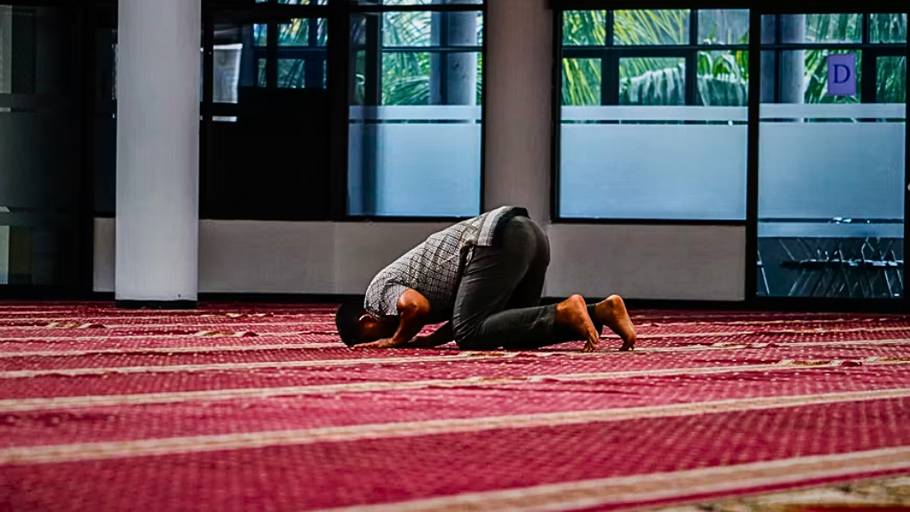
Importance of prayer in Islam is one of those things every Pakistani Muslim grows up knowing about but rarely thinks about deeply. From childhood we hear “namaz parho.” We learn the movements. We memorize the surahs. Five times daily gets drilled into us. But if someone actually asked why salah matters so much, most of us would struggle to give an honest answer beyond “it’s fard” or “Allah ne kaha hai.”
Look, I’ll be real with you. Most Pakistani Muslims have complicated relationship with prayer. Some pray five times daily like clockwork. Some pray only Jumma and Eid. Some pray during Ramadan then drift away. Some pray but without any real focus, just going through motions to get it done. Almost all of us have moments where we feel guilty about our inconsistency.
This article isn’t going to lecture you. Nobody responds well to being told they should pray more. Instead, let’s actually explore what makes salah such powerful practice, why it matters beyond just religious duty, and what happens to people who genuinely engage with prayer over years.
What Salah Actually Is
Before getting into why it matters, understand what prayer really is in Islam.
Salah is direct communication with Allah. No priest between you and God. No confessional. No intermediary rituals someone else performs. Just you, five times every day, speaking directly with your Creator. Think about how radical this actually is compared to religious traditions where regular people can’t approach God directly.
The word “salah” comes from Arabic root meaning “connection” or “link.” Every time you pray, you’re deliberately reconnecting with divine reality that daily life constantly pulls you away from. Work, phone, family drama, money worries, entertainment – all of it distracts you from the bigger picture. Prayer is designed to pull you back to what actually matters.
The Prophet Muhammad (peace be upon him) received prayer instruction during Isra and Mi’raj. Originally 50 daily prayers, reduced through intercession to five with the reward of 50. This origin story isn’t just history. It establishes prayer as fundamental spiritual necessity, not optional religious activity.
Salah has physical, mental, and spiritual dimensions happening simultaneously. Your body performs specific movements. Your mind focuses on specific words. Your soul connects with Allah. All three happening together is unusual in modern life where we typically use body, mind, and spirit separately.
Why Five Times Daily Makes Sense
The five prayer times aren’t random. There’s genuine wisdom in the specific structure.
Fajr happens before sunrise. Starting your day with worship before anything else establishes right priorities. Also physically demanding, which builds real discipline.
Zuhr breaks the workday around midday. Prevents you from becoming completely absorbed in worldly grinding. Reminds you that work isn’t ultimate purpose.
Asr provides afternoon break. Another reinforcement that success in this world isn’t the goal.
Maghrib marks sunset. Sunset has been sacred time across every human civilization. Islam formalized this instinct.
Isha closes the day. Final reflection before sleep about what really matters.
Five prayers create rhythm throughout your entire day around remembrance of Allah. This is architecturally different from religions where worship happens weekly. Islam integrates spiritual practice into daily life so thoroughly that consistent Muslims literally can’t forget their faith for long periods.
Modern research on human circadian rhythms has found interesting overlap with traditional prayer times. Whether coincidence or divine wisdom is your call, but the timing works with human biology rather than against it.
Benefits of Salah in Islam for Mental Health
The benefits of salah in Islam for mental health are genuinely significant, and modern research is just starting to appreciate what Muslims have known for centuries.
Regular prayer produces measurable stress reduction. The combination of physical movement, controlled breathing, focused attention, and spiritual connection does what expensive meditation apps try to replicate. Muslims who pray consistently generally handle stress better than those who don’t.
Anxiety management improves through prayer. Knowing you have five reliable spiritual anchors throughout each day reduces general life anxiety. When everything feels chaotic, prayer times remain stable. This predictability calms the nervous system.
Depression rates are lower among consistently praying Muslims according to various studies. Not because prayer magically prevents depression but because it provides meaning, structure, community connection, and hope. All of these protect mental health.
Focus and concentration get trained through prayer. In our age of endless distractions, learning to focus on specific words and movements for even 10 minutes at a time builds valuable mental discipline. Kids who grow up praying often develop better concentration than those who don’t.
Emotional regulation improves. You genuinely can’t perform good prayer while consumed with anger or resentment. Prayer times gradually teach you to manage emotions rather than being controlled by them. Over years this transforms your entire emotional life.
Sense of purpose stays visible. Consistent Muslims don’t struggle with the meaninglessness that plagues secular modern life. Even during difficulties, you know why you’re here and what matters.
Physical Benefits Nobody Talks About
Prayer provides real physical benefits that get overlooked in religious discussions.
Five times daily you’re getting up, standing, bowing, prostrating, and sitting. That’s genuine movement throughout an otherwise sedentary day. Modern life has us sitting for hours in cars, at desks, in front of screens. Prayer interrupts this constantly.
Fajr requirement naturally creates disciplined sleep schedule. If you have to wake up at 5 AM, you can’t stay up watching Netflix until 2 AM. Consistent Fajr means going to bed earlier which itself improves health massively.
The various prayer positions engage joints that sitting doesn’t. Regular gentle joint movement helps maintain flexibility and reduces stiffness as you age. Elderly Muslims who’ve prayed their whole lives often have better mobility than same-aged non-Muslims.
Blood circulation improves through the movements. Digestive system benefits from the varied positions. Even breathing patterns during prayer support respiratory health.
These aren’t reasons to pray. Prayer is worship of Allah, not exercise. But it’s worth noting that Islam prescribed practice that happens to have real health benefits centuries before modern science understood why.
Why Is Salah Important for Muslims Spiritually
The question of why is salah important for Muslims goes deeper than mechanical benefits.
Prayer maintains active relationship with Allah rather than passive belief. Faith without prayer is like marriage without communication. It gradually dies regardless of what you claim to feel. Muslims who don’t pray often report their iman feels weaker even if they intellectually still believe.
Consciousness of Allah stays with you throughout the day. Someone who prays five times daily thinking about Allah behaves differently than someone who believes but rarely reconnects. Business decisions change. Relationship behavior changes. Personal ethics change. Not through willpower but through natural transformation from constant remembrance.
Islamic teaching says regular prayer purifies from minor sins. This concept of continuous spiritual cleansing keeps believers from accumulating spiritual weight from daily mistakes. Instead of guilt building up until you feel disconnected from Allah, prayer washes it away regularly.
Long-term character development is real. Patience genuinely improves. Humility develops through prostration. Gratitude becomes natural. Impulse control strengthens. Not because prayer is magic but because five daily reminders of divine reality gradually reshape how you think and act.
The Quran explicitly states prayer “restrains from indecency and evil.” This isn’t guarantee that prayerful Muslims never sin. But someone genuinely engaged with prayer struggles to commit major sins between prayers because they’re constantly reconnecting with divine consciousness.
Preparation for death happens naturally through prayer. Not because prayer prevents death but because it maintains readiness for meeting Allah. Elderly Muslims who’ve prayed consistently their entire lives generally face death with genuine peace that non-praying Muslims often lack.
Spiritual Benefits of Salah Beyond Individual Practice
The spiritual benefits of salah extend into community and civilizational dimensions most people don’t consider.
Congregational prayer creates Muslim community. Individual worship couldn’t do this. Jumma weekly brings community together. Daily mosque prayers maintain neighborhood bonds. Eid prayers unite entire cities.
Social equality gets experienced during prayer. When rich businessman and daily wage laborer stand shoulder to shoulder before Allah, they experience genuine equality that daily life rarely provides. This shapes Muslim societies at fundamental level even when other injustices exist.
Global Muslim identity forms through prayer. Whatever divisions exist between Sunni and Shia, Arab and Pakistani, Turkish and Indonesian, Muslims everywhere pray similar prayers facing same direction at similar times. This creates unity across all boundaries.
Time itself gets sanctified. Rather than time being just secular flow of activities, prayer times create sacred moments regularly throughout the day. This transforms your entire relationship with time from purely productive to also spiritual.
Islamic civilization developed around prayer. Traditional Muslim cities built mosques as central points. Work rhythms accommodated prayer times. Architecture emphasized spiritual dimensions. This is fundamentally different way of organizing civilization than purely secular models produce.
Culture transmits across generations through prayer. Children who see parents praying regularly absorb Islamic practice more effectively than those learning only through instruction. This is why families where parents pray consistently usually produce children who pray, while families with only cultural Islam often lose religious practice within generation or two.
Real Struggles Muslims Face
Being honest about importance of prayer in Islam means acknowledging why many Muslims struggle with consistent prayer today.
Modern work culture makes prayer difficult. Pakistani offices sometimes don’t accommodate breaks. Corporate cultures treat prayer as inconvenient. Universities schedule classes across prayer times. Fighting this constantly is exhausting.
Physical exhaustion from multiple jobs, long commutes, and demanding work reduces energy for prayer. When you’re sleeping 5-6 hours and working 12 hours, Fajr feels impossible even if you want to pray.
Digital distraction consumes mental space prayer needs. When you’re never mentally free from phone, social media, and constant stimulation, spiritual focus becomes genuinely hard. Your mind can’t shift to prayer mode when it’s always in scroll mode.
Family and community structures that supported prayer are weakening in urban Pakistan. Nuclear families with both parents working don’t provide same environment traditional joint families did. Kids grow up without seeing consistent prayer modeled.
Intellectual doubts affect prayer for educated Muslims. When you’re questioning fundamental beliefs, prayer feels performative rather than meaningful. This is genuinely hard to navigate.
Life difficulties can drive people to prayer or away from it. Personal tragedies sometimes destroy prayer consistency people spent years building. Getting back is harder than starting fresh.
Sleep patterns make Fajr hard. Late-night entertainment, work, and social culture in Pakistani cities means many people consistently sleep at 2 AM. Fajr at 5 AM becomes physically impossible without changing entire lifestyle.
Bad company doesn’t help. When your friend group doesn’t pray, maintaining prayer requires constant swimming against social current. Some people can’t sustain this indefinitely.
None of these struggles are new. Muslims throughout history have faced various challenges. But specific modern challenges are real and shouldn’t be dismissed by lecturing people about willpower.
Building Prayer Consistency Practically
For anyone struggling with consistent prayer, some genuine practical advice.
Start where you actually are. If you currently pray zero times daily, don’t try to instantly become five-times-daily person. Pick one prayer, probably Maghrib because it’s brief and easy to time, and establish it consistently first. Add more once that’s stable.
Fix Fajr eventually because it changes everything. Fajr is hardest but most transformative. Once you’re waking up for Fajr consistently, your entire day organizes differently. Sleep patterns change. Priorities shift. Other prayers become easier.
Prepare physically for prayer. Wudu makes prayer possible. Have clean prayer spots at home and office. Keep prayer clothes accessible. Small preparations remove barriers.
Use technology helpfully. Prayer apps like Muslim Pro provide accurate times, azan alerts, qibla direction. Technology can help consistency significantly.
Join congregation when you can. Weekly Jumma minimum. Some daily prayers at mosque when possible. Community accountability and shared prayer experience help maintain individual practice.
Address underlying issues honestly. If you can’t wake for Fajr, sleep earlier. If work interferes, discuss with employer. If phone use kills focus, reduce phone use. Real solutions rather than just willing yourself to pray more.
Don’t let perfect be enemy of good. Missed prayer happens. Rather than giving up on the whole day, resume with next prayer. Consistency over months matters more than perfection.
Learn what you’re actually reciting. Understanding meanings of prayer words transforms the experience from mechanical to meaningful. Even basic understanding of Surah Fatiha changes everything.
Focus on quality with quantity. Praying five times daily going through motions is less spiritually valuable than three times daily with genuine focus. Presence during prayer matters as much as completion.
Final Thoughts
The importance of prayer in Islam isn’t really about religious obligation the way most explanations frame it. Salah is genuinely one of the most sophisticated spiritual practices humans have. Five daily prayers structured around meaningful life rhythms. Direct connection with divine reality. Physical postures engaging body and mind. Community formation. Character development. Meaning creation.
Consistent prayer over years produces genuine transformation. Muslims who maintain regular prayer throughout adulthood generally develop steadier personalities, better character integrity, more peace with mortality, and greater community contribution. This isn’t automatic and rarely-praying Muslims can be great people too. But the pattern is real.
For anyone reading this who struggles with prayer consistency, don’t beat yourself up. Modern life doesn’t naturally support regular prayer. Work culture, digital distraction, weak family structures, and various pressures make salah harder than it was for previous generations. These aren’t excuses but they’re real factors that deserve honest acknowledgment.
Start where you are. Do what you can. Build gradually. The importance of prayer in Islam is proven over years of consistent practice, not instant transformation. Muslims who prayed inconsistently for years and then established regular prayer report genuine life transformation. It’s never too late to start.
For Pakistani Muslims specifically, we have particular blessing and responsibility with prayer. Blessing because our society still has infrastructure for prayer – mosques everywhere, azan five times daily, cultural acceptance of prayer breaks. Responsibility because we’re inheriting Islamic civilization that others sacrificed everything for. Losing prayer consistency in one or two generations would waste incredible inheritance.
May Allah help all of us establish and maintain prayer that truly connects us with divine reality. Prayer isn’t burden imposed on us. It’s gift Allah gave us to stay connected to Him throughout our lives. Understanding this transforms everything about how we approach salah.
That’s honest picture of why prayer matters. Ancient practice with contemporary relevance. Individual worship with community dimensions. Simple movements with profound meaning. The five daily prayers remain Islam’s greatest gift to those who genuinely engage with them.
Liaquat Ali Khan: The Real Story of Pakistan’s First Prime Minister




Comments