




Life and career of Charlie Chaplin
The life and career of Charlie Chaplin represents one of the most extraordinary trajectories in entertainment history. He grew up in poverty so severe that he spent time in Victorian workhouses as a child. His father was absent and died young. His mother spent years in mental asylums.
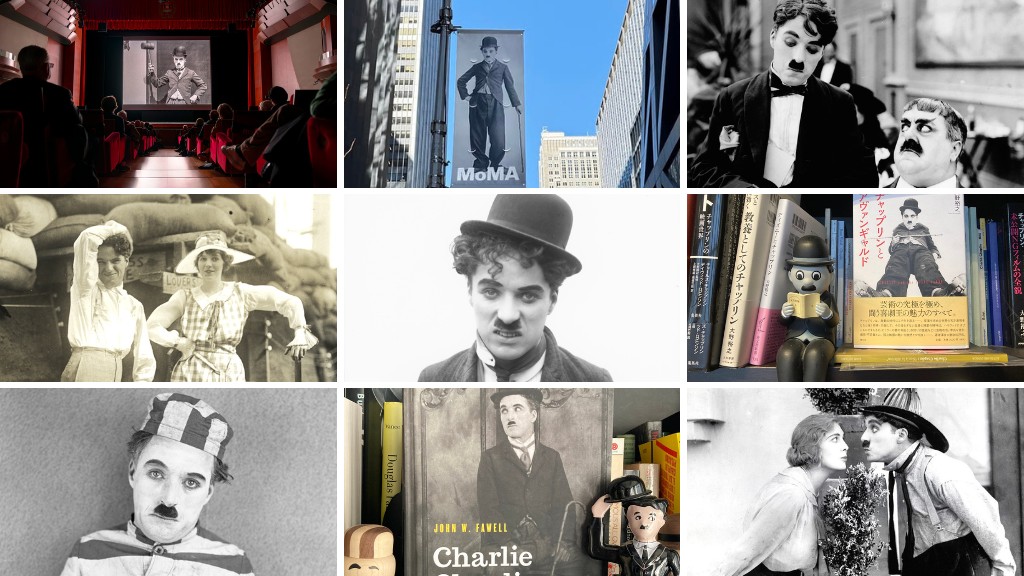
The life and career of Charlie Chaplin represents one of the most extraordinary trajectories in entertainment history. He grew up in poverty so severe that he spent time in Victorian workhouses as a child. His father was absent and died young. His mother spent years in mental asylums. Both Charlie and his brother Sydney had to survive on London streets and what little stage work they could find. By his twenties, this same kid from the workhouses had become the highest-paid entertainer in the world. By his thirties, he was arguably the most famous person on the planet.
This life and career of Charlie Chaplin covers the actual journey from London poverty to Hollywood legend, the films that defined his legacy, the political controversies that eventually exiled him from America, and the lasting influence he had on cinema as both an art form and an industry.
Early Life and Childhood
Charles Spencer Chaplin was born on April 16, 1889, in Walworth, London. Both parents were music hall performers. His father, Charles Sr., was a talented singer who became an alcoholic and abandoned the family when Charlie was very young. His mother Hannah was warm and talented but suffered serious mental illness throughout her life. She would function well for periods, then suffer breakdowns that left her unable to care for the children.
Charlie and his older half-brother Sydney spent significant portions of their childhood in workhouses. The first time Charlie entered a workhouse was 1896, when he was seven years old. Victorian workhouses weren’t charitable institutions in any modern sense. They were essentially prisons for the destitute. Children slept in large dormitories, ate institutional food, and faced harsh discipline. Charlie described his time there as a forlorn existence, which understates the actual conditions significantly.
His father died from cirrhosis in 1901 when Charlie was 12. His mother had multiple mental breakdowns and was committed to Cane Hill asylum repeatedly throughout the 1890s, with her major committal in 1898 leaving Charlie and Sydney essentially alone in London. They were 9 and 13 respectively. The childhood that shaped the life and career of Charlie Chaplin was defined by this poverty, abandonment, and constant struggle for survival.
How Stage Performance Became Survival
Both Charlie and Sydney inherited performing ability from their parents that became their path out of poverty. Charlie made his first stage appearance at age five at the Aldershot Canteen in 1894, when his mother lost her voice mid-performance. He walked out and finished the show. The audience threw coins onto the stage, and Charlie made a point of collecting every coin before singing another song. Even at five, he understood the transaction between performer and audience.
By age nine, Charlie was earning money clog dancing with a troupe called The Eight Lancashire Lads. By 14, he had a proper acting role playing Billy the page boy in a West End production of Sherlock Holmes that ran for years. He attended school sporadically and was barely literate as a young man. He learned to read better later in life but never received formal education in the traditional sense. What he had was the ability to hold an audience’s attention, which proved more valuable than any classroom credential.
At 19, Chaplin joined the Fred Karno comedy company, one of the most respected comedy troupes in England. He became their star performer. In 1910, the Karno company toured America. That tour represented the pivotal moment in the life and career of Charlie Chaplin, leading directly to his Hollywood opportunity and eventual global fame.
Hollywood and The Birth of The Tramp
In December 1913, filmmaker Mack Sennett saw Chaplin perform with the Karno troupe and signed him to appear in Keystone comedy films. Chaplin moved to America and started making silent short films at an incredible pace. He produced multiple films per month, learning the craft as he worked. He wasn’t just acting in them either. He was rapidly taking over writing, directing, and controlling production decisions.
His first appearance as The Tramp character that would define the life and career of Charlie Chaplin came in February 1914 in Kid Auto Races at Venice. The little man in a bowler hat, tight jacket, baggy trousers, and oversized shoes walked into film history that day. Chaplin later said the costume came together by accident from random pieces of clothing lying around the studio. But anyone familiar with where he came from could see The Tramp wasn’t accidental. The character embodied everything Charlie had experienced in those London workhouses, transformed through comedy and dignity into something audiences worldwide could recognize and care about.
By 1915, Chaplin was the most famous person in the film industry. By 1916, he was earning $10,000 per week through his Mutual Film contract, an unprecedented amount that few people could even process at the time. The boy who had been in a workhouse at age seven was now the highest-paid entertainer alive.
In 1917, Chaplin built his own studio (Charlie Chaplin Studios) on La Brea Avenue in Hollywood, giving him complete control over his productions. In 1919, he co-founded United Artists with Douglas Fairbanks, Mary Pickford, and D.W. Griffith. The studio formation allowed artists to own and control their own films rather than being controlled by studio executives. This was a significant move for artistic independence in 1919.
The Films That Defined His Legacy
To fully understand the life and career of Charlie Chaplin, the films themselves matter and what he was actually saying through them goes beyond simple comedy.
The Kid (1921): Chaplin’s first full-length feature about The Tramp raising an abandoned child. Drew heavily on his own memories of abandonment and poverty. Critical and commercial success.
The Gold Rush (1925): One of his most acclaimed films. The famous scene where The Tramp eats his own boot showed Chaplin transforming poverty into art. He cited this as the film he most wanted to be remembered for.
The Circus (1928): Often overlooked but critically significant. Won Chaplin a special Academy Award at the first-ever Oscar ceremony in 1929 for “versatility and genius in writing, acting, directing and producing.”
City Lights (1931): Many critics consider this his masterpiece. The Tramp falls in love with a blind flower girl. The ending remains one of the most emotionally powerful scenes in cinema history.
Modern Times (1936): A direct response to the Depression and industrialization. The Tramp struggles in a world of factory machines and economic inequality. The film criticized capitalism in ways that contributed to later political problems.
The Great Dictator (1940): Chaplin’s first full-sound film. He played a Jewish barber and a parody of Adolf Hitler called Adenoid Hynkel. Making this film when America wasn’t yet at war with Germany was genuinely brave. The final speech where Chaplin steps out of character and addresses humanity directly remains one of the most powerful moments in cinema, still watched and shared decades later.
Limelight (1952): His meditation on age, fame, and obscurity. Featured Buster Keaton in a memorable supporting role. Tragically, this was the film he was promoting when he was banned from re-entering America.
A King in New York (1957): Made during his European exile. Satirized American politics and McCarthyism.
A Countess from Hong Kong (1967): His final film as director, starring Marlon Brando and Sophia Loren. Generally considered a creative misstep but completed his cinematic legacy.
The life and career of Charlie Chaplin produced over 80 films total. He directed more than 70 of them. He wrote, directed, produced, and often starred in essentially everything bearing his name. He composed the music for his own films starting with City Lights, including the song “Smile” which has been covered by hundreds of artists from Nat King Cole to Michael Jackson.
He accomplished all of this despite limited formal education. He composed full film scores by humming melodies to professional musicians who would notate them. He directed without finished scripts, often building the set, starting filming, and developing the story while in production. His perfectionism was legendary. He would shoot scenes dozens of times until he was satisfied.
Marriages, Scandals, and Personal Life
The life and career of Charlie Chaplin includes significant personal controversy alongside professional success.
Mildred Harris (1918-1921): His first marriage to a 16-year-old actress when Chaplin was 29. They had a son who died at three days old. The marriage ended in divorce.
Lita Grey (1924-1927): Married 16-year-old Lita Grey when Chaplin was 35, primarily because she was pregnant. The marriage became scandalous. The divorce settlement of $825,000 was one of the largest in Hollywood history. They had two sons: Charles Jr. and Sydney.
Joan Barry paternity case (1942-1944): Chaplin faced a paternity suit from actress Joan Barry. Despite blood tests showing he wasn’t the father, a court ordered him to pay child support. The case damaged his American public standing significantly.
Paulette Goddard (1936-1942): Married actress who starred in Modern Times and The Great Dictator. Their relationship details remain partially unclear historically.
Oona O’Neill (1943-1977): Married Oona, daughter of playwright Eugene O’Neill, when she was 18 and he was 54. The marriage lasted until Chaplin’s death. They had eight children together. Despite the age difference, the marriage proved stable and lasting.
The pattern of marrying very young women became increasingly difficult for Chaplin’s American reputation throughout the 1940s and contributed to the political problems that eventually exiled him.
The Political Persecution and American Exile
The life and career of Charlie Chaplin reached its lowest point during the political persecution that ended his American career.
Chaplin lived in the United States for nearly 40 years but never became a citizen. His films often contained social and political commentary critical of capitalism, industrialization, and inequality. He gave speeches supporting Soviet allies during World War II that later came back against him. The FBI under J. Edgar Hoover had been building a file on him for years, convinced he was a communist sympathizer.
The McCarthy era and House Un-American Activities Committee created dangerous conditions for anyone with left-leaning views or perceived political associations. Chaplin was a highly visible target.
In September 1952, Chaplin sailed for Europe with his family to attend the London premiere of Limelight. While he was at sea, the U.S. Attorney General revoked his re-entry permit, demanding he answer political questions and questions about his private life if he wanted to return. Chaplin refused to subject himself to what he considered illegitimate political interrogation. He didn’t return to America for 20 years.
Chaplin settled in Switzerland with his wife Oona and their growing family at the Manoir de Ban in Corsier-sur-Vevey. He continued making films from Switzerland but never returned to America until 1972, when he came back to accept an honorary Academy Award. The audience gave him a 12-minute standing ovation, the longest in Academy Award history.
This American exile chapter of the life and career of Charlie Chaplin demonstrates that even the most famous people couldn’t escape political persecution during the McCarthy era. His film career was effectively ended by American political pressure regardless of artistic merit.
Honors and Recognition
The life and career of Charlie Chaplin received recognition both during his lifetime and posthumously:
Special Academy Award (1929): At the first-ever Oscar ceremony, Chaplin received a special award for The Circus recognizing his versatility and genius across multiple roles.
Honorary Academy Award (1972): For “the incalculable effect he has had in making motion pictures the art form of this century.” This was the occasion of his American return.
Knighthood (1975): Queen Elizabeth II made him Knight Commander of the Order of the British Empire. He became Sir Charles Chaplin at age 85, just two years before his death.
Hollywood Walk of Fame: Star at 6751 Hollywood Boulevard.
AFI rankings: City Lights ranked among AFI’s 100 greatest American films. Chaplin himself was ranked among the greatest male stars of classic Hollywood cinema.
Stamps and memorials: Multiple countries have issued postage stamps featuring Chaplin. Statues exist in Switzerland, London, and elsewhere.
Death and Posthumous Recognition
Chaplin died on December 25, 1977, at his home in Corsier-sur-Vevey, Switzerland. He was 88 years old. The cause was a stroke in his sleep.
A bizarre postscript: In March 1978, Chaplin’s body was stolen from the Corsier-sur-Vevey cemetery by two men who attempted to extort money from his family. The body was recovered weeks later in a cornfield about 10 miles from the cemetery. He was reburied with a concrete vault to prevent any future incidents.
The life and career of Charlie Chaplin generated significant continued recognition decades after his death. His films remain studied in film schools worldwide. Documentaries about him appear regularly. New generations discover his work through repertory screenings and streaming availability.
Why The Life and Career of Charlie Chaplin Still Matters
Many films from the 1920s and 1930s have been completely forgotten. Chaplin’s haven’t. They continue being watched in 2026, nearly a century after their original release. The reasons go beyond historical interest.
The life and career of Charlie Chaplin wasn’t really about comedy techniques. It was about people being ignored by systems supposed to help them. It was about small people maintaining dignity in worlds that didn’t notice them. He knew these experiences from his actual childhood, and that authentic understanding showed in everything he made.
When viewers watch The Kid or City Lights or Modern Times or The Great Dictator, they’re watching more than entertainment. They’re watching a man process his actual experiences through the only medium he had complete mastery over: performance and filmmaking.
The Tramp remains one of the most recognizable characters in cinema history despite films being silent and decades old. The visual language Chaplin developed continues influencing comedy and visual storytelling. Modern comedians from Robin Williams to Jim Carrey to Sacha Baron Cohen have cited Chaplin as influence. His ability to combine physical comedy with genuine emotion remains a standard others measure themselves against.
Personal Stats
| Category | Details |
|---|---|
| Born | April 16, 1889, Walworth, London, England |
| Died | December 25, 1977, Corsier-sur-Vevey, Switzerland |
| Age at Death | 88 years |
| Parents | Charles Chaplin Sr. (singer, d. 1901), Hannah Chaplin (singer, mental illness) |
| Siblings | Sydney Chaplin (half-brother) |
| Marriages | Mildred Harris (1918-1921), Lita Grey (1924-1927), Paulette Goddard (1936-1942), Oona O’Neill (1943-1977) |
| Children | 11 total across marriages, including Charles Jr., Sydney Earle, Geraldine, Michael, Josephine, Victoria, Eugene, Jane, Annette, Christopher Chaplin |
| Famous Character | The Tramp (1914-1936) |
| Studios | Co-founded United Artists (1919), Charlie Chaplin Studios (1917) |
| Major Films | The Kid (1921), The Gold Rush (1925), The Circus (1928), City Lights (1931), Modern Times (1936), The Great Dictator (1940), Limelight (1952) |
| Total Films | 80+ as actor, 70+ as director |
| Awards | Special Academy Award (1929), Honorary Academy Award (1972), Knighthood (1975) |
| Famous Song | “Smile” (composed by Chaplin) |
| Exile from US | 1952-1972 |
| Final Resting Place | Corsier-sur-Vevey, Switzerland (after body recovery 1978) |
Final Thoughts
The life and career of Charlie Chaplin demonstrates that exceptional achievement can come from any starting circumstances. He grew up in conditions of severe poverty that would today be considered child welfare emergencies. He had limited formal education. He had no family resources or connections to build on. What he had was performing ability, work ethic, and an unwillingness to accept that his circumstances determined his future.
He built one of the most influential careers in cinema history while essentially inventing many of the techniques others would later use. He created characters that remain recognized worldwide nearly a century after their introduction. He composed music. He directed films. He ran his own studio. He co-founded United Artists. He stood up for artistic and political principles that cost him his American home.
The life and career of Charlie Chaplin continues being studied not because of nostalgia for old films but because the work itself remains genuinely powerful. The Tramp is still funny. City Lights still moves audiences. The Great Dictator speech still resonates. Modern Times still applies. Quality work that engages with universal human experiences doesn’t age in the same way historical curiosity does.
Chaplin himself once said that life is a tragedy when seen in close-up but a comedy in long shot. Coming from someone who lived what he lived, the observation captures something genuine about how human beings process difficult experiences through time and perspective. The life and career of Charlie Chaplin shows the truth of that observation through one of the most remarkable journeys from poverty to global influence in entertainment history.
To learn more about the complete filmography and awards in the Life and career of Charlie Chaplin, you can visit his official profile on IMDb
Explore More: While Charlie Chaplin conquered the world of cinema, you can also read how Lionel Messi’s Career Goals and Stats redefined the world of football.

Comments