




How to Get Rid of Belly Fat Naturally: Science-Backed Strategies for 2026
Belly fat is one of the most common health concerns globally, and for good reason. It isn’t just a cosmetic issue. Excess fat around the midsection is strongly linked to heart disease, type 2 diabetes, high blood pressure, and insulin resistance.
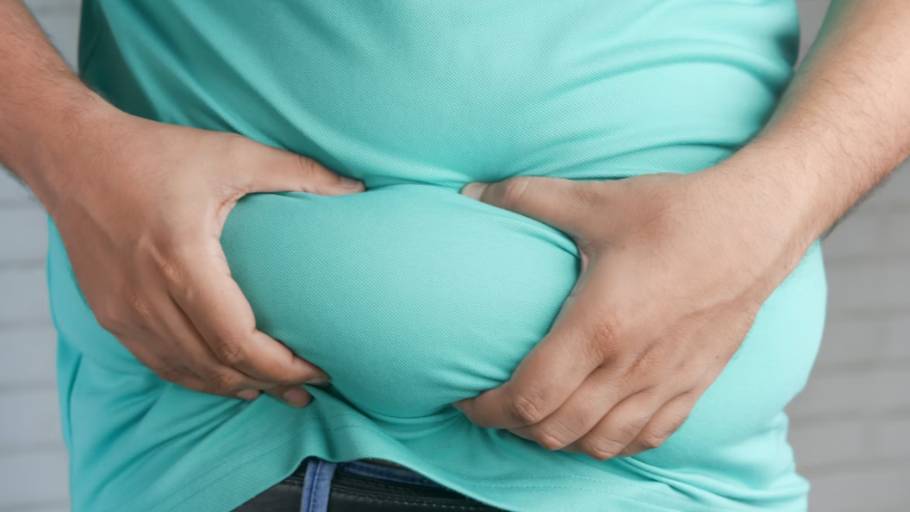
Belly fat is one of the most common health concerns globally, and for good reason. It isn’t just a cosmetic issue. Excess fat around the midsection is strongly linked to heart disease, type 2 diabetes, high blood pressure, and insulin resistance. That’s why so many people are searching for sustainable, science-backed ways on how to get rid of belly fat naturally without falling for crash diets or risky shortcuts.
The honest truth is that there’s no magic food, no special exercise, and no overnight fix. Belly fat responds to the same boring fundamentals: a small caloric deficit, enough protein, regular movement, decent sleep, and stress management. Done consistently for a few months, these basics produce real results. Done inconsistently for a few weeks, they produce frustration.
This guide breaks down what actually works in 2026, based on current research and real-world results.
For deeper reading on why abdominal fat is a serious metabolic risk, the Harvard Health Publishing guide on belly fat is a solid starting point.
Understanding Belly Fat (and Why It Matters)
There are two types of belly fat. Subcutaneous fat sits under the skin and is mostly a cosmetic concern. Visceral fat wraps around your internal organs and is metabolically active, releasing inflammatory compounds that increase the risk of serious disease.
A waist measurement above 40 inches in men or 35 inches in women generally indicates excess visceral fat. The good news: visceral fat actually responds faster to lifestyle changes than subcutaneous fat does.
What Actually Causes Belly Fat
Belly fat accumulates from a mix of factors: a sustained caloric surplus, high sugar and refined carb intake, poor sleep, chronic stress (which raises cortisol), low protein intake, lack of strength training, and excessive alcohol. Genetics influence where you store fat, but they don’t override behavior.
For most people, fixing 2 to 3 of these levers produces visible results within 2 to 3 months.
Create a Sustainable Caloric Deficit
This is the part most articles skip, but it’s the actual foundation. Fat loss happens when you consistently consume fewer calories than your body burns. Every other tactic on this list works because it helps you maintain that deficit without feeling miserable.
A moderate deficit of 300 to 500 calories per day produces around 1 to 2 pounds of fat loss per week without slowing your metabolism or destroying your energy. Extreme deficits (more than 1000 calories) backfire quickly through muscle loss, fatigue, and binge cycles.
Free apps like MyFitnessPal, Cronometer, and Lose It make tracking easy for the first few weeks until you build awareness. You don’t have to track forever, just long enough to understand portion sizes and what you’re actually eating.
Eat More Protein
Protein is the single highest-leverage change you can make. It keeps you full longer, supports muscle (which keeps metabolism higher), and requires more energy to digest than carbs or fat.
Most research supports around 0.7 to 1 gram of protein per pound of bodyweight (or 1.6 to 2.2 grams per kilogram) for people trying to lose fat. Good sources include eggs, chicken, fish, Greek yogurt, lentils, beans, tofu, paneer, and whey protein.
This single shift, eating protein at every meal, makes everything else easier.
Cut Sugar and Refined Carbs
Liquid sugar is the worst offender for belly fat. Soda, juice, sweetened coffee drinks, and energy drinks deliver hundreds of calories without registering as food in your appetite system.
Refined carbs like white bread, white rice, sugary cereals, pastries, and processed snacks spike blood sugar quickly, then crash it, leaving you hungry again within a couple of hours. They also contribute directly to visceral fat through insulin response.
Swap these for whole-grain bread, brown rice or quinoa, oats, and whole fruit instead of juice. You don’t need to eliminate everything. Just shift the everyday default toward less-processed options and save the treats for actual occasions.
Eat Enough Fiber, Especially Soluble Fiber
Research has consistently linked soluble fiber specifically to reduced visceral fat. A landmark study showed that every 10-gram increase in daily soluble fiber intake was associated with a 3.7% decrease in visceral fat over 5 years.
Aim for 25 to 35 grams of total fiber per day. Top sources include oats, beans, lentils, chia seeds, flaxseeds, apples, berries, broccoli, and avocados. If you’re starting from a low-fiber diet, increase gradually to avoid digestive discomfort.
Move More (Both Structured and Unstructured)
Exercise matters, but not the way most people think. The bigger factor is total daily movement, sometimes called NEAT (Non-Exercise Activity Thermogenesis). This includes walking, taking stairs, fidgeting, household activity, and standing more.
A daily step count of 8,000 to 10,000 is one of the most reliable predictors of fat loss success. Most people underestimate how sedentary their day actually is. A simple step tracker on your phone or smartwatch shows the truth quickly.
On top of that, structured exercise accelerates results. The combination that consistently wins:
- Strength training 3 to 4 times per week focused on compound lifts like squats, deadlifts, rows, presses, and lunges
- Walking daily for general movement and stress regulation
- HIIT 1 to 2 times per week (20 to 30 minute sessions of intervals like 30 seconds hard, 60 seconds easy)
Ignore the “ab exercises burn belly fat” myth. Crunches strengthen abdominal muscles but don’t target the fat covering them. Fat loss happens systemically, not locally.
Prioritize Sleep
Sleep is the most underrated tool for losing belly fat naturally. Poor sleep raises cortisol and ghrelin (hunger hormone) and reduces leptin (fullness hormone), making you hungrier and pushing your body to store fat around the midsection.
Studies have shown that people sleeping under 6 hours per night gain significantly more visceral fat over 5 years than those sleeping 7 to 8 hours, even with similar diets.
The basics that work: consistent sleep and wake times, no screens 30 to 60 minutes before bed, a cool dark room, no caffeine after 2 PM, and no large meals within 3 hours of sleeping. Tracking devices like Whoop, Oura, or Apple Watch can help identify sleep quality issues you might be missing.
Manage Cortisol and Stress
Chronic stress drives belly fat through cortisol, which signals the body to store fat specifically around the midsection. This is why high-achievers in stressful careers often carry stubborn belly fat despite eating reasonably well.
Effective stress regulators include daily walking, strength training, meditation through apps like Headspace or Calm, journaling, deep breathing exercises, and protected time away from screens. Cold exposure and breathwork (Wim Hof style) have also gained popularity for cortisol regulation in 2026.
You can’t out-diet chronic stress. Address it directly or it sabotages everything else.
Reduce Alcohol
Alcohol is the quietest belly fat contributor. It adds significant calories (a beer is around 150 calories, wine around 120 per glass), increases appetite, lowers inhibition around food, disrupts sleep, and gets prioritized over fat for burning, which means actual fat oxidation pauses while alcohol metabolizes.
You don’t have to cut it completely. Reducing from daily to 2 or 3 days a week, or capping at 1 to 2 drinks per session, often produces noticeable change within weeks.
Consider Intermittent Fasting (If It Fits)
Intermittent fasting isn’t magic, but it works well for many people because it naturally creates a caloric deficit without requiring tracking. The most common protocol is 16:8 (eat within an 8-hour window, fast for 16), though some people use 14:10 or one larger meal per day.
The key insight: intermittent fasting doesn’t outperform regular calorie restriction in terms of fat loss, but it makes deficit easier for people who don’t enjoy breakfast or struggle with constant snacking. If skipping breakfast feels miserable, don’t force it.
Hydration and Smart Beverage Choices
Most people confuse mild thirst with hunger. Drinking 2 to 3 liters of water daily reduces overeating, supports digestion, and improves workout performance.
Beverages worth keeping: water (with electrolytes if you sweat a lot), green tea (catechins may slightly support fat oxidation), black coffee in moderation, and herbal teas. Beverages to limit: sugary drinks, fruit juice (similar sugar load as soda), sweetened coffee drinks, and excessive alcohol.
A Word on GLP-1 Medications
By 2026, medications like Ozempic, Wegovy, and Mounjaro have become widely discussed for weight loss. They’re effective for many people, especially those with significant excess weight or related health conditions, but they’re prescription drugs with side effects and ongoing costs.
These medications work best alongside lifestyle changes, not instead of them. People who stop taking them without building solid habits often regain the weight quickly. If you’re considering this route, speak with a qualified doctor about whether it’s appropriate for your situation.
Spot Reduction Myth
You cannot lose fat from one specific area by exercising that area. Fat loss happens throughout the body based on genetics, hormones, and overall caloric balance. Doing 500 crunches a day will build stronger abs, but those abs won’t be visible until the fat layer over them is reduced through overall fat loss.
This is why the formula is always the same: caloric deficit, protein, strength training, sleep, stress management. The order doesn’t change, no matter where you want fat to come off first.
Sample Day Built for Belly Fat Loss
Morning: Glass of water on waking. Walk for 15 to 20 minutes outside in sunlight. Breakfast with protein and fiber (3 eggs with vegetables and a slice of whole-grain toast, or Greek yogurt with berries and chia seeds).
Lunch: Lean protein (grilled chicken, fish, or lentils) with a large portion of vegetables and a moderate serving of complex carbs (brown rice, quinoa, or sweet potato).
Snack: A piece of fruit with nuts, or a high-protein yogurt.
Afternoon: Quick 5 to 10 minute walk after lunch helps blood sugar response.
Dinner: Protein and vegetables, light on starchy carbs. Salmon with spinach and roasted vegetables is a strong default.
Evening: Stop eating 2 to 3 hours before bed. Wind down without screens. Sleep 7 to 9 hours.
Common Mistakes That Sabotage Progress
- Crash dieting then binge cycles
- Skipping protein and overeating carbs
- Doing only cardio with no strength training
- Sleeping less than 6 hours regularly
- Drinking calories without realizing it
- Expecting weekly visible change instead of monthly
- Comparing yourself to social media transformations that often use enhancements
- Ignoring stress and cortisol entirely
Fixing 2 to 3 of these usually produces more results than adding more rules.
Realistic Timeline
- Weeks 2 to 4: Better energy, less bloating, slight scale movement
- Months 1 to 3: Visible fat loss, looser clothes, improved waist measurement
- Month 3 to 6: Significant body composition change for those staying consistent
- 6 months and beyond: Major transformation for those treating it as a lifestyle, not a diet
Patience separates people who succeed from people who quit.
When to See a Doctor
If you’ve been consistent for 3 months with no progress, are dealing with sudden weight gain, suspect hormonal issues, or have conditions like PCOS, thyroid disorders, or insulin resistance, talk to a qualified healthcare provider. Sometimes the issue isn’t effort but an underlying medical factor that needs professional guidance.
Final Thoughts
Learning how to get rid of belly fat naturally isn’t complicated, but it does require consistency. Skip the gimmicks. Focus on protein, fiber, strength training, daily movement, sleep, and stress management. Stay in a moderate caloric deficit. Give it 90 days before judging.
The results are real, and so are the health benefits beyond appearance: better blood sugar, lower disease risk, more energy, and a body that works better for decades to come. The hardest part isn’t knowing what to do. It’s actually doing it consistently when life gets in the way.
How to Save Money on a Low Income: A Realistic Step-by-Step Guide for 2026


Comments