




How to Save Money on a Low Income: A Realistic Step-by-Step Guide for 2026
Most personal finance advice was written for people who have money. Save 20 percent of your income. Build six months of emergency savings. Max out your retirement contributions. This advice is useless if your entire paycheck disappears into rent, food, and utilities before the month ends.
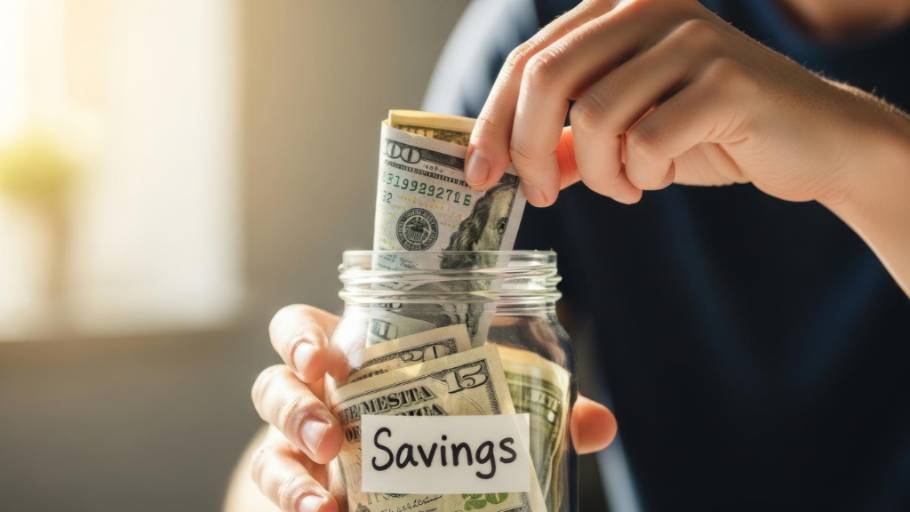
Most personal finance advice was written for people who have money. Save 20 percent of your income. Build six months of emergency savings. Max out your retirement contributions. This advice is useless if your entire paycheck disappears into rent, food, and utilities before the month ends. The honest reality of how to save money on a low income is different from generic budgeting advice because the constraints are different.
Saving on a low income isn’t about discipline failures. Many low-income people are extraordinarily disciplined just to survive. The issue is structural. When essential expenses consume most or all of your income, traditional saving advice doesn’t apply. What works instead is a combination of small consistent savings, reducing where reduction is actually possible, increasing income when possible, and accessing programs and resources that exist specifically to help.
This guide covers what actually works for how to save money on a low income in 2026, the specific strategies that produce real results, the structural challenges that make saving harder than the advice books admit, and the resources that exist beyond just personal discipline.
The Honest Reality of Low-Income Saving
Before getting into specific strategies, understanding the actual financial landscape matters.
Median rent in many American cities now consumes 40-60 percent of low-income earners’ take-home pay. Once you add utilities, food, transportation, and basic necessities, often nothing remains for savings. The math doesn’t work for traditional saving formulas because the formulas assume housing costs around 25-30 percent of income, which hasn’t been realistic for many people in years.
This doesn’t mean saving is impossible. It means the strategies that work are different from what middle-class advice typically suggests. How to save money on a low income requires both finding small amounts to save consistently and pursuing structural changes that can free up more money over time.
Real progress comes from combining four approaches: reducing essential expenses where genuinely possible, eliminating non-essential spending honestly, increasing income through additional sources, and accessing programs and resources that supplement income for low earners.
Track What’s Actually Happening First
Before changing anything, knowing where your money actually goes matters. Most people significantly underestimate their spending in certain categories.
Track every single expense for 30 days. Use a free app like Mint, YNAB (free version), or just a notebook. Don’t try to change behavior yet. Just record what’s happening.
After 30 days, you’ll discover patterns you didn’t realize. Maybe $80 monthly going to small food purchases. Maybe $150 in subscription services half-forgotten. Maybe transportation costs higher than estimated due to last-minute Ubers when bus didn’t work out.
This tracking phase is the foundation of how to save money on a low income because you can’t reduce what you don’t know about. Generic advice about “cutting unnecessary spending” is useless without knowing your specific spending patterns.
The Bare-Bones Budget
After tracking, create a realistic budget acknowledging actual constraints rather than aspirational ones.
For low incomes, the standard 50/30/20 budget (50% needs, 30% wants, 20% savings) usually doesn’t fit. A more realistic version might be 75/15/10 (75% needs, 15% wants, 10% savings) or even tighter depending on circumstances.
Categories that need addressing:
Housing: Often the largest expense and hardest to change quickly. Worth examining whether roommates, moving to cheaper area, or housing assistance programs are options.
Utilities: Often 10-15% of low income. Reduction possible through energy conservation but limited.
Food: 15-20% typically. Major area for reduction through cooking, planning, and avoiding takeout.
Transportation: 10-15%. Major variance depending on whether you own a car, use transit, or live where walking/cycling is possible.
Healthcare: Often catastrophic when needed. Insurance, medications, and emergency care.
Debt payments: If applicable, often significant burden.
Communications: Phone and internet, often $80-150 monthly combined.
Savings: Even $20-50 monthly is meaningful at low incomes.
Discretionary: Honest acknowledgment of needing some non-essential spending to maintain mental health.
The exercise isn’t to create a perfect budget. It’s to identify where small changes are possible and where structural constraints exist that can’t be quickly overcome.
Learn how to master the 50/30/20 rule from Investopedia’s Financial Guide.
Start the Emergency Fund Tiny
Conventional advice says build 3-6 months of expenses. For someone earning $1,500 monthly with $1,400 in expenses, this advice is meaningless.
What works for how to save money on a low income is starting much smaller. Aim for $100 first. Then $250. Then $500. Then one month of essential expenses. Build up gradually rather than trying to hit a number that feels impossibly distant.
Even $500 in emergency savings dramatically changes financial life. It prevents the cascade where a $300 car repair becomes a payday loan that becomes ongoing high-interest debt. The first $500 often produces more practical security than later thousands because it covers the small emergencies that destabilize low-income households.
Keep emergency savings in a separate account from regular checking. Online banks like Ally or Marcus offer high-yield savings accounts with no minimum balance and no fees. The separation makes the money harder to accidentally spend.
Automatic transfers of $20-50 every payday compound over a year into meaningful amounts. The key is making it automatic rather than requiring willpower each pay period.
Where Real Savings Actually Come From
For low-income earners, certain expense categories produce more savings impact than others.
Food spending is one of the highest-impact areas. Cooking from basic ingredients costs a fraction of takeout, fast food, or convenience meals. Beans, rice, eggs, frozen vegetables, oats, and seasonal produce provide complete nutrition at minimal cost. $200 monthly for a single person and $400-500 for families is achievable in most areas with planning.
Strategies that work: weekly meal planning, shopping with a list, never shopping hungry, buying store brands, focusing on what’s on sale that week, batch cooking on weekends, freezing portions for later, growing herbs if possible.
Transportation can drain budgets without people realizing. Owning a car costs $8,000-12,000 annually when insurance, gas, maintenance, registration, and depreciation are all counted. If you can use public transit, walk, or cycle for daily needs, the savings are dramatic.
If you must have a car, buying older reliable models, doing your own basic maintenance through YouTube tutorials, and combining trips reduces costs significantly.
Subscriptions and recurring charges often add up to surprising amounts. Audit every recurring charge on your bank statements. Cancel anything not actively used. Free alternatives exist for most streaming, music, and software services.
Phone plans can often be reduced. Major carriers charge $80-100 monthly. Mint Mobile, Visible, Cricket, and other budget carriers offer similar service for $20-40 monthly using the same towers.
Banking fees disproportionately hurt low-income people through overdraft fees, ATM fees, and minimum balance requirements. Switch to credit unions or online banks like Ally that don’t charge these fees. The annual savings can be significant.
The Income Side Matters More
How to save money on a low income often produces limited results from expense reduction alone because there’s only so much to cut. Increasing income tends to produce larger long-term improvements.
Side income options that work:
Freelancing skills you already have. Writing, graphic design, programming, tutoring, video editing, virtual assistance, social media management. Even 5-10 hours weekly at $20-40/hour produces $400-1,500 monthly additional income.
Gig work through Uber, Lyft, DoorDash, Instacart, or similar platforms. Geographic flexibility but variable income and wear-and-tear on vehicles need consideration.
Selling unused items through Facebook Marketplace, eBay, OfferUp, or Poshmark. Most homes contain $500-2,000 in items that could be sold.
Online tutoring or teaching English to students in other countries through platforms like VIPKid, Cambly, or iTalki.
Pet sitting, dog walking, or house sitting through Rover or local connections.
Career development for long-term increases:
Free certifications through Google, Microsoft, IBM, and Amazon for technical skills. Coursera and edX offer free university courses (paid certificates if needed). Community college courses for credentials that increase earning potential. Industry certifications in your current field that justify raises or job changes. LinkedIn skills assessments that boost profile visibility to recruiters.
Long-term, the path out of low income usually involves increasing earning capacity rather than just cutting expenses.
Programs and Resources That Help
How to save money on a low income improves significantly when you access programs designed to help low-income households.
SNAP (food stamps) provides monthly food assistance for qualifying households. Income limits vary by state and family size. Apply through your state’s social services website.
WIC provides food assistance for pregnant women, new mothers, and young children. Different qualification than SNAP.
LIHEAP helps with utility bills, particularly heating and cooling. Applications through state energy assistance offices.
Medicaid provides free health insurance for low-income individuals and families. Eligibility expanded under ACA in many states.
ACA marketplace subsidies can reduce health insurance premiums significantly for low-income earners not eligible for Medicaid.
EITC (Earned Income Tax Credit) is a refundable tax credit for low-income workers. Many eligible people don’t claim it. Worth thousands annually for qualifying households.
Section 8 housing vouchers subsidize rent for qualifying low-income households. Waiting lists are often long but worth applying.
Free community college programs in many states for first-time students.
Pell Grants for higher education don’t require repayment unlike loans.
SNAP-Ed nutrition education programs offer free cooking classes and nutrition guidance.
211 services connect people with local assistance programs for utilities, food, housing, and other needs. Free service available everywhere in the US.
Not accessing programs you qualify for is essentially leaving money on the table. The application processes can be tedious but the benefits are substantial.
Avoiding Predatory Financial Products
How to save money on a low income includes avoiding products that specifically prey on people with limited resources.
Payday loans charge effective annual interest rates of 300-400 percent or higher. They’re marketed as short-term solutions but typically trap borrowers in cycles of repeat borrowing. Avoid completely.
Rent-to-own furniture and appliances end up costing 2-3x the actual product value through extended payment terms. Cheaper to save and buy used.
Title loans put your vehicle at risk for short-term cash with extreme interest rates. Many borrowers lose vehicles.
Check cashing services charge percentages for services credit unions provide free.
Overdraft “protection” that charges $35 fees on small overdrafts. Better to opt out and have transactions declined than accumulate fees.
Buy-now-pay-later services for everyday purchases that encourage spending beyond means.
Predatory auto loans at car dealerships specifically targeting subprime borrowers with extreme interest rates.
Credit card cash advances at very high interest rates with no grace period.
If you’re in genuine financial emergency, local nonprofits, community organizations, religious institutions, and 211 services often provide emergency assistance without the destructive cost of predatory products.
Banking and Credit Building
How to save money on a low income includes setting up banking properly because financial system design penalizes low-income people through fees, while proper setup eliminates those penalties.
Credit unions typically offer better rates and lower fees than commercial banks. Membership requirements often just require small initial deposits.
Online banks like Ally, Marcus, Capital One 360, or Discover Bank offer no-fee checking and savings with higher interest rates than traditional banks.
Avoid banks with monthly fees unless you can easily meet minimum balance requirements.
Building credit matters even for low-income earners. Better credit scores reduce interest rates on essential borrowing, lower insurance premiums in most states, and improve rental applications.
How to build credit without going into debt:
Secured credit cards that require small deposit ($200-500) as your credit limit. Use for small recurring purchase like a streaming subscription. Pay full balance monthly. Builds credit history without risk of debt.
Become an authorized user on a family member’s account with good credit history.
Credit-builder loans from credit unions that deposit your “loan” amount in savings while you make payments, building credit while saving.
Self Lender and similar services that work similarly to credit-builder loans.
Good credit doesn’t help if you don’t have money, but having good credit dramatically reduces costs once you’re stable enough to need lending.
Mental and Emotional Aspects
Living on low income produces real psychological stress that affects financial decisions. Acknowledging this matters because pretending otherwise leads to advice that doesn’t work.
Decision fatigue from constant tradeoffs depletes mental resources for good financial choices. Scarcity research consistently shows that being short on resources actually reduces cognitive bandwidth available for planning.
Shame about financial situation can prevent accessing helpful resources. Many people don’t apply for SNAP, EITC, or other programs they qualify for due to stigma. These programs exist specifically to be used.
Comparison to social media presentations of others’ lives creates additional stress. Most of what looks like financial success on social media involves family money, debt, or selective presentation.
What helps mentally:
Connecting with others in similar situations through online communities, local groups, or financial counseling. Reading personal finance content written by people who’ve actually been low-income rather than always-affluent advisors. Celebrating small wins because $100 saved when you have $1,500 monthly is genuinely meaningful. Remembering that low income often involves structural factors beyond personal control.
When Saving Isn’t Actually Realistic
How to save money on a low income sometimes has to acknowledge that current circumstances make saving genuinely impossible.
If your income doesn’t cover basic necessities (housing, food, utilities, transportation to work, healthcare), no amount of budgeting solves the math. The realistic answer in these situations isn’t more saving advice. It’s pursuing income increases, accessing assistance programs, and addressing the structural shortfall.
Signs your situation needs more than budgeting:
Choosing between food and rent regularly. Skipping medications you medically need. No money for any unexpected expense, however small. Eviction notices or utility shutoff threats. Inability to afford transportation to work. Medical conditions worsening due to inability to access care.
These situations need community resources, social services, religious organizations, and government programs rather than more aggressive saving. There’s no shame in needing help. The systems exist for these situations.
A Realistic Monthly Approach
For someone with $1,500-2,500 monthly take-home, a realistic approach might look like this:
Housing and utilities consume 50-60% (often unavoidable). Food spending of $200-400 with planning and cooking. Transportation of $100-300 depending on situation. Phone and basic communications $50-100. Debt minimums if applicable. Modest discretionary spending $50-100 for mental health. Automatic savings of $25-100 monthly going to emergency fund.
This isn’t ideal but it’s realistic. The $25-100 monthly savings produces $300-1,200 annually in emergency reserves. After a few years, this builds to actual financial cushion that prevents the worst financial emergencies.
The strategy isn’t dramatic transformation. It’s slow steady progress that compounds over years into genuine improvement.
Final Thoughts
How to save money on a low income isn’t about dramatic personal transformation through pure discipline. It’s about combining realistic small savings, reducing genuine waste, increasing income through additional sources, accessing programs designed to help, and avoiding the predatory products that specifically target low-income households.
The path isn’t fast and isn’t always linear. Some months won’t allow saving anything. Some years involve setbacks from job loss, health issues, or family emergencies. That’s reality, not failure.
What matters is consistency over time. Building emergency savings even slowly. Improving income capacity through skill development. Accessing benefits you qualify for. Avoiding the financial products designed to drain low-income earners. Making small better decisions consistently rather than waiting for the perfect strategy.
For most low-income earners genuinely committed to improving their situation, the combination of these approaches over 2-5 years produces real financial change. Emergency savings that prevent cascading crises. Income growth through skill development. Reduced expenses through better choices. Access to programs that supplement income. Slowly improving credit that reduces future borrowing costs.
The system isn’t designed to help low-income earners build wealth. But there are practical strategies that produce real results despite the system’s design. Knowing how to save money on a low income means understanding both what works and what’s structurally limiting, then doing what’s actually possible within current constraints while working toward changing those constraints over time.
How to Lower Blood Pressure Naturally: Proven Strategies for 2026


Comments