




How to Lower Blood Pressure Naturally: Proven Strategies for 2026
Pakistani hospitals are full of people who just found out their blood pressure has been dangerously high for years. The cardiologist tells them the chest pain that brought them in didn’t come out of nowhere. It came out of decades of unmanaged hypertension that nobody caught because nothing hurt and nothing looked wrong.
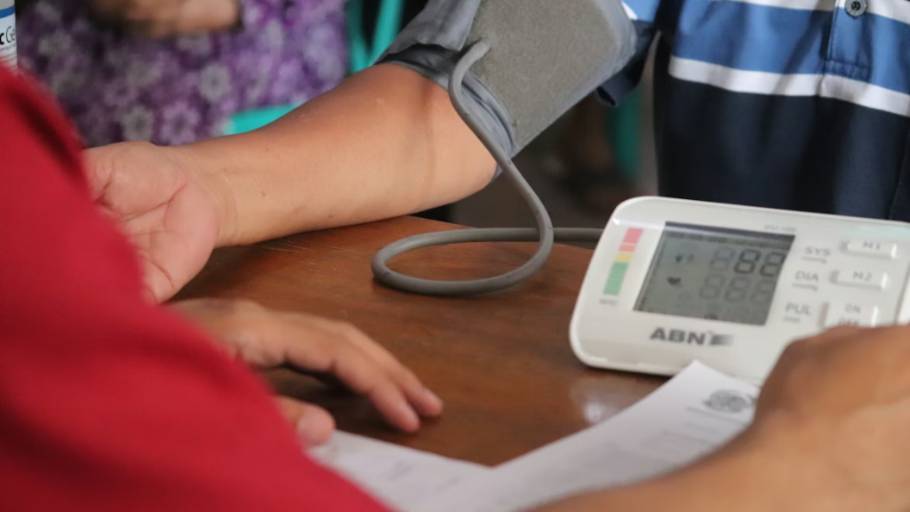
Pakistani hospitals are full of people who just found out their blood pressure has been dangerously high for years. The cardiologist tells them the chest pain that brought them in didn’t come out of nowhere. It came out of decades of unmanaged hypertension that nobody caught because nothing hurt and nothing looked wrong.
About one in three Pakistani adults has high blood pressure right now. Most of them have no idea. That’s the whole problem with this condition. It doesn’t announce itself. A person can walk around with 160/100 for months, going to work, eating biryani at weddings, sleeping five hours a night, while their kidneys and heart take damage they’ll only find out about when something serious happens.
South Asians get the worse end of the deal on this. Our genetics push us toward heart and kidney problems at lower blood pressure numbers than what’s considered worrying in Europe or America. A reading of 135/85 in a Pakistani is genuinely more concerning than the same reading in a German.
The fix isn’t a secret and never has been. Eat less salt. Walk every day. Lose weight if you need to. Sleep properly. Try to control the stress that Pakistani life is good at producing. That’s the list. Nothing exciting on it. None of it works in two weeks. But stick with it for two or three months and blood pressure starts coming down in ways that matter. For plenty of people, this is enough to avoid medication or reduce what they’re already taking.
The rest of this guide gets into the specifics. Which foods to cut and which to add. How much exercise actually helps. What to do about the stress factor. When natural methods are enough and when you genuinely need medication. All of it adapted for Pakistani diets, climate, and reality.
Important Medical Safety Note
Before any natural approach, get your blood pressure properly measured by a qualified doctor. Home monitors are useful but doctor confirmation matters for diagnosis.
If you’ve been prescribed blood pressure medication, do not stop taking it based on this or any other article. Natural methods often work alongside medication, allowing dose reductions over time under medical supervision, but suddenly stopping medication can cause dangerous rebound hypertension.
If your readings consistently exceed 180/120, contact a doctor immediately. This is a medical emergency that requires professional treatment, not just natural methods.
Understanding Your Blood Pressure Numbers
Blood pressure has two readings. The top number (systolic) measures pressure when your heart pumps. The bottom number (diastolic) measures pressure between beats.
Normal: Below 120/80 Elevated: 120 to 129 systolic, below 80 diastolic Stage 1 Hypertension: 130 to 139 systolic, or 80 to 89 diastolic Stage 2 Hypertension: 140+ systolic, or 90+ diastolic Hypertensive Crisis: 180+ systolic, or 120+ diastolic (medical emergency)
Pakistani-specific risk: South Asians develop cardiovascular complications at lower BP readings than European populations. A reading of 135/85 in a Pakistani man carries more risk than the same reading in a European man at the same age.
Why Pakistani Hypertension Is Different
Several factors make hypertension worse in Pakistani populations:
Dietary sodium overload: Pakistani diet is extremely high in salt through paratha, naan, achaar (pickles), papads, processed snacks, restaurant foods, and salt added during cooking. Many Pakistani people consume 8 to 12 grams of salt daily versus the WHO recommendation of less than 5 grams.
Genetic predisposition: South Asians have higher salt sensitivity and tend to develop hypertension at younger ages and lower BMIs than other populations.
Insulin resistance: Widespread among Pakistanis, contributes directly to high blood pressure.
Sedentary urban lifestyles: Office jobs, car-based commuting, and indoor entertainment reduce daily movement significantly.
Chronic stress: Pakistani economic conditions, work pressures, and family responsibilities elevate cortisol levels chronically.
Vitamin D deficiency: Widespread despite Pakistan’s abundant sunshine, partly due to indoor lifestyles and clothing choices. Vitamin D deficiency is linked to hypertension.
Smoking: Pakistani smoking rates remain high, particularly among men, and directly damages blood vessels.
Understanding these factors helps target which lifestyle changes will produce the biggest results for Pakistani readers learning how to lower blood pressure naturally.
Cut Salt Dramatically
Reducing sodium intake produces the single biggest blood pressure improvement for most Pakistani people because Pakistani diets are so salt-heavy to begin with.
The WHO recommends less than 5 grams of salt daily (about one teaspoon total from all sources). Most Pakistani people consume 2 to 3 times this amount.
Pakistani foods extremely high in sodium:
Achaar (mango, lemon, mixed pickles) – extremely concentrated salt Papad and chips – very high sodium Restaurant food – typically loaded with salt Naan and bakery breads – higher salt than homemade roti Processed meats (salami, sausages) Instant noodles and packaged snacks Sauces (soy sauce, ketchup, masala mixes) Pakistani pickles and chutneys Restaurant biryani and pulao Tikka and seekh kebab from restaurants
Practical Pakistani salt reduction strategies:
Eat more home-cooked meals where you control salt Reduce salt added during cooking by half initially (taste adapts within 2-3 weeks) Eliminate or dramatically reduce achaar consumption Limit restaurant meals to 1-2 times weekly Read packaged food labels for sodium content Avoid table salt addition after cooking Use spices (zeera, dhania, haldi, garam masala) for flavor instead of salt Choose fresh fruits over packaged snacks
Cutting salt to under 5 grams daily can reduce systolic blood pressure by 5 to 10 mmHg within weeks for salt-sensitive individuals, which describes most South Asians.
Eat More Potassium-Rich Foods
Potassium counteracts sodium’s effects on blood pressure by helping kidneys excrete excess salt and relaxing blood vessel walls.
Pakistani-accessible potassium-rich foods:
Bananas (kela) Sweet potatoes (shakar kandi) Spinach (palak) Avocados (expensive but useful) Tomatoes White beans, kidney beans Lentils (daal) of all varieties Yogurt (dahi) Coconut water Watermelon Oranges (santra) Apricots (khubani)
For adults, aim for 3,500 to 4,700 mg of potassium daily. Pakistani traditional diets with daal and vegetables can naturally provide adequate potassium. Pakistani diets heavy on white rice and meat without enough vegetables typically fall short.
The most important Pakistani potassium-related change for learning how to lower blood pressure naturally is increasing vegetable portions and including daal regularly.
Follow a DASH-Style Pakistani Diet
The DASH diet (Dietary Approaches to Stop Hypertension) is the most extensively researched eating pattern for blood pressure management. Research shows DASH can reduce systolic blood pressure by 8 to 14 mmHg, similar to a single blood pressure medication.
DASH principles adapted for Pakistani eating:
Eat 6 to 8 servings of whole grains daily (whole-wheat roti instead of naan, oats, brown rice sometimes)
Eat 4 to 5 servings of vegetables daily (sabzi at every meal, salads, soups)
Eat 4 to 5 servings of fruit daily
Eat 2 to 3 servings of low-fat dairy (yogurt, lassi without added sugar)
Eat 6 or fewer servings of lean meat, poultry, or fish
Eat 4 to 5 servings of nuts, seeds, and legumes weekly
Limit sweets and added sugars
Limit sodium aggressively as discussed above
Pakistani daal-and-vegetable based meals naturally fit DASH principles. Pakistani diets dominated by meat, white rice, naan, and minimal vegetables work against blood pressure management.
Exercise Regularly
Physical activity is essential for any approach to how to lower blood pressure naturally. Exercise can reduce systolic blood pressure by 4 to 9 mmHg, depending on consistency and intensity.
What works best for blood pressure:
Aerobic exercise: 30 minutes daily of brisk walking, cycling, swimming, or similar. Pakistani urban readers can walk neighborhoods, use treadmills, or walk in shopping malls during hot summers.
Strength training: 2 to 3 sessions weekly. Pakistani gym memberships now run PKR 3,000 to PKR 10,000 monthly in major cities, more accessible than before.
Daily movement: Step counts of 7,000 to 10,000 daily matter beyond formal exercise sessions. Take stairs, park further away, walk during phone calls.
Consistency matters more than intensity. A 30-minute walk every day produces better results than occasional intense gym sessions followed by sedentary weeks.
For Pakistani readers with very high blood pressure (over 160 systolic), get medical clearance before starting intense exercise programs. Moderate walking is almost always safe to begin immediately.
Lose Excess Weight
Even modest weight loss produces meaningful blood pressure improvements. Research shows approximately 1 mmHg systolic reduction for every kilogram of weight lost.
For Pakistani readers with significant excess weight, losing 5 to 10 kg can reduce blood pressure substantially. This often allows medication dose reductions over time under medical supervision.
Sustainable weight loss requires moderate caloric deficit, adequate protein, daily movement, and patience over months. Crash dieting raises stress and rarely produces lasting results.
Manage Chronic Stress
Chronic stress elevates blood pressure through sustained cortisol release. Pakistani readers in high-stress jobs (banking, government, medicine, military) often have stubborn hypertension despite reasonable diet because stress remains unaddressed.
Effective stress management for Pakistani readers:
Daily walking, ideally outdoors in morning sunlight Strength training (genuinely effective for stress) Meditation through apps like Headspace or Calm Regular mindful prayer practice (salah provides genuine stress regulation when done mindfully) Deep breathing exercises Time away from work and screens Adequate sleep Quality relationships and social connection
You cannot out-medicate or out-diet chronic stress. Address it directly or it sabotages other efforts toward how to lower blood pressure naturally.
Improve Sleep Quality
Poor sleep is strongly linked to high blood pressure through multiple mechanisms including hormone disruption and increased sympathetic nervous system activity.
Sleep targets and Pakistani realities:
Adults need 7 to 9 hours of quality sleep nightly. Pakistani night-owl culture, late dinners (often 9-10 PM), and screen exposure before bed all work against this.
Pakistani sleep improvement strategies:
Consistent sleep and wake times even on weekends No caffeine after 2 PM (limit late chai consumption) No large meals within 3 hours of bedtime Cool dark room (air conditioning matters for summer sleep) No screens 30 to 60 minutes before bed Address sleep apnea if you snore heavily or wake exhausted (very underdiagnosed in Pakistan)
Sleep apnea specifically affects blood pressure significantly and is widespread among middle-aged Pakistani men with central obesity. CPAP treatment when needed produces major blood pressure improvements.
Limit Alcohol and Quit Smoking
For Pakistani readers who don’t drink alcohol, this doesn’t apply. For those who do, reducing to 1-2 drinks maximum per occasion and infrequent consumption helps blood pressure.
Smoking damages blood vessels and elevates blood pressure both acutely and chronically. Quitting smoking is one of the most important decisions for cardiovascular health. Pakistani smoking rates remain high, particularly among men. Resources include Nicorette patches and gum (available in major Pakistani pharmacies) and government smoking cessation programs through tertiary hospitals.
Specific Foods That Help
Beyond general dietary patterns, certain foods have specific blood pressure benefits:
Beetroot: Contains nitrates that produce modest BP reductions. Available in Pakistani markets seasonally. Beetroot juice (200-250 ml daily) shows benefits in research, though results are modest.
Hibiscus tea: Has mild BP-lowering effects in research. Available in Pakistan as karkadeh or hibiscus tea.
Garlic: Some evidence for modest BP reductions. Already used heavily in Pakistani cooking.
Dark chocolate: Contains flavonoids that may help. Choose 70%+ cacao, in small portions.
Fatty fish: Omega-3 fatty acids help BP. Rohu, salmon when available, sardines, and mackerel all qualify.
Pomegranate: Antioxidant compounds that may help. Pakistani pomegranates (anaar) are excellent quality.
Berries: Blueberries, strawberries, raspberries show benefits in research.
These foods help but don’t replace the fundamental changes (salt reduction, exercise, weight management). They support overall efforts.
Monitor Blood Pressure Properly at Home
Home monitoring helps you track progress accurately. Decent automatic upper-arm BP monitors cost PKR 5,000 to PKR 15,000 in Pakistan and are widely available.
Proper measurement technique:
Sit quietly for 5 minutes before measuring Sit with feet flat, back supported, arm at heart level Don’t talk during measurement Take 2-3 readings 1 minute apart and average them Measure at similar times daily (morning and evening) Record readings to share with your doctor
Single readings are unreliable. Patterns over weeks reveal actual blood pressure trends.
Read the comprehensive guide on the National Heart, Lung, and Blood Institute (NHLBI).
Sample Pakistani Meal Plan for Hypertension
Breakfast: Oats made with milk, topped with banana and almonds. Or 2 eggs with one whole-wheat roti and sabzi.
Mid-morning: Apple or banana with handful of unsalted nuts.
Lunch: Daal with brown rice or one whole-wheat roti. Large portion of sabzi. Salad with cucumber, tomato, onion.
Snack: Yogurt without added sugar. Or fruit.
Dinner: Grilled chicken or fish with vegetables. Light on rice. Or daal with vegetables.
Evening: Hibiscus tea or green tea instead of sugary drinks.
This isn’t restrictive eating. It’s traditional Pakistani food choices emphasizing vegetables, daal, whole grains, and lean proteins while reducing salt and refined carbs.
When Medication Becomes Necessary
Natural methods work well for elevated blood pressure and Stage 1 hypertension in many cases. For Stage 2 hypertension (140+/90+) and especially severe hypertension, medication is usually necessary alongside lifestyle changes.
Common BP medication classes available in Pakistan:
ACE inhibitors (Lisinopril, Captopril) ARBs (Losartan, Telmisartan) Calcium channel blockers (Amlodipine) Diuretics (Hydrochlorothiazide) Beta blockers (Atenolol, Metoprolol)
Pakistani medication costs vary widely. Generic versions are affordable at PKR 100-500 monthly for common medications. Brand-name versions cost more.
The goal of medication isn’t replacing lifestyle changes. It’s controlling blood pressure to prevent immediate cardiovascular damage while lifestyle changes work over months. Many Pakistani patients reduce medication doses or sometimes discontinue completely under medical supervision after sustained lifestyle improvements.
Final Thoughts
Learning how to lower blood pressure naturally is genuinely important for Pakistani readers given how widespread hypertension has become and how serious its consequences are. The fundamentals work: dramatic salt reduction, more vegetables and daal, regular exercise, weight management, stress reduction, quality sleep, no smoking.
What separates Pakistani people who succeed from those who don’t isn’t talent or willpower. It’s sustained consistency over months rather than perfect execution for two weeks. Small daily improvements produce major health benefits when maintained over years.
The most important step for anyone with concerns about blood pressure is getting properly diagnosed by a doctor. Home monitoring helps track progress. Lifestyle changes work but they take time. Medication when prescribed should not be stopped without medical guidance regardless of how well natural methods are working.
For Pakistani readers, the genetic predisposition to hypertension means lifestyle changes matter even more than they do for other populations. Starting now and maintaining consistency over time produces results that justify the effort. The alternative, ignoring elevated blood pressure until it causes a heart attack or stroke, is the path many Pakistani people unfortunately take.
Start with salt reduction and daily walking this week. Build from there.
How to Boost Immune System Fast: Science-Backed Natural Ways for 2026


Comments