


How to Get a Driving License in Pakistan: A Simple Step-by-Step Guide
Getting a driving license in Pakistan is one of those things most people put off for longer than they should. Driving without one is technically illegal, the fines are real, and the process, while not exactly simple, is far more manageable than the horror stories you hear suggest.
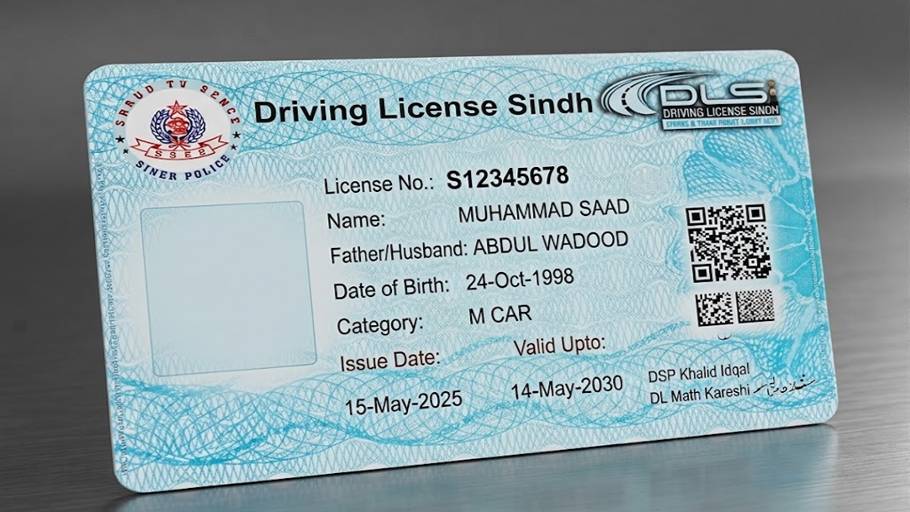
Getting a driving license in Pakistan is one of those things most people put off for longer than they should. Driving without one is technically illegal, the fines are real, and the process, while not exactly simple, is far more manageable than the horror stories you hear suggest. In 2026, the driving license application process has actually improved significantly thanks to DLIMS, the Driving License Issuance Management System, which allows people in Punjab, Sindh, KPK, and Islamabad to handle much of the process online without standing in queues for hours. This guide tells you exactly how to get a driving license in Pakistan, step by step, with real information about documents, fees, and what to expect at the test.
What You Need to Know Before You Start
The first thing to understand about how to get a driving license in Pakistan is that you cannot walk into a traffic police office and apply for a full license directly. The law requires you to first get a learner’s permit, hold it for a minimum of 42 days, and only then sit the test for a full license. There is no shortcut around this. The 42-day maturity period exists to ensure that applicants have had time to actually practice driving before they are tested.
The minimum age for a car or motorcycle license in Pakistan is 18 years. Driving without a valid license can result in fines and legal action, and a learner’s permit only allows you to drive under supervision, not independently on public roads.
Pakistan issues driving licenses at the provincial level, which means the driving license application process varies slightly depending on where you live. Punjab uses DLIMS Punjab, Sindh has its own system, and KPK and Islamabad have their respective portals. The core process is the same across provinces but fees and specific requirements can differ, so always check the website for your province before you begin.
Step One: How to Apply for a Learner Driving License
The learner’s permit is where everything starts, and knowing how to apply for a learner driving license correctly saves you from being turned away at the counter for missing documents or applying in the wrong district.
You can only apply in the district where your CNIC is registered. If you live in Lahore but your CNIC shows an address in Multan, you apply in Multan unless you have updated your CNIC address first. This is one of the most common reasons people are turned away at the driving license office, so sort out your CNIC address before you do anything else.
The online route through DLIMS is the easiest way to start how to apply for a learner driving license in 2026. Visit your provincial DLIMS portal, register an account using your CNIC number, fill out the application form, select your license category, pay the fee online, and schedule your appointment. The system walks you through each step. For those who prefer to go in person, you can visit the nearest driving license branch of your provincial traffic police and submit the application manually.
One important decision before applying is your license category. The main categories are motorcycle, car and jeep, LTV which covers light transport vehicles, and HTV which covers heavy transport vehicles. Applying for the wrong category means repeating the test, so be clear about what you actually plan to drive.
Documents Required for Driving License Application
Getting the documents required for driving license applications in order before you visit the office or submit online saves significant time. Missing even one document means coming back another day.
For a learner’s permit, the documents required for driving license applications are your original CNIC and a copy, a completed application form which is available at the office or downloadable from the DLIMS portal, two recent passport-size photographs, a medical fitness certificate signed by an authorized medical practitioner confirming you are physically fit to drive, and payment of the applicable fee through the designated bank or online.
The medical fitness certificate is the document most people forget to organize in advance. You need to visit a government-authorized doctor, not just any clinic, who will check your eyesight and general physical fitness and sign the form. The vision requirement includes being able to read a number plate from a distance of 20.5 meters. If you wear glasses or contact lenses, bring them to the medical appointment.
For the full license after passing the test, additional documents required for driving license processing include your original learner’s permit, proof that the 42-day maturity period has passed, and updated photographs.
Documents Required for Driving License: Quick Reference
| Document | Learner Permit | Full License |
|---|---|---|
| Original CNIC and copy | Required | Required |
| Passport-size photographs | 2 required | 2 required |
| Application form | Required | Required |
| Medical fitness certificate | Required | Not required again |
| Learner’s permit | Not applicable | Required |
| Fee payment receipt | Required | Required |
The Driving License Application Process: Step by Step
Once your documents are ready, the driving license application process follows a clear sequence.
Step one is submitting your learner permit application either online through DLIMS or in person at your district traffic police office. If applying online, you pay the fee through Raast, bank transfer, or the payment methods listed on the portal. If applying in person, you pay the fee at the designated bank branch and bring the receipt with you.
Step two is the biometric verification and data entry at the traffic police office. Even if you applied online, you will need to visit in person for biometric verification, which involves fingerprints and a photograph taken at the office. This step cannot be completed remotely.
Step three is the basic written or verbal test for the learner’s permit. This is not the full driving test. It is a basic assessment of whether you know fundamental traffic signs and rules before you start practicing on the road. The questions are straightforward and anyone who has spent a few hours studying traffic signs will pass this comfortably.
Step four is receiving your learner’s permit and beginning the 42-day practice period. During this time you are legally required to drive under the supervision of a licensed driver. You cannot drive independently on public roads with only a learner’s permit.
Step five, after the 42-day period, is returning to the traffic police office to schedule your full driving license test. This is when the proper driving test happens.
Step six is the driving test itself. Upon passing, your application moves to processing and your full license is either issued on the same day in some cases or posted to your registered address.
Driving License Test Preparation
Driving license test preparation is where most people either pass or fail, and the good news is that the test is not as difficult as people fear when you go in properly prepared.
The test has two parts. The first is a written or computer-based theory test covering traffic signs, road rules, and basic driving regulations. The second is a practical driving test where an examiner observes you actually driving a vehicle. In some provinces the practical test involves a specific course with marked exercises like reversing, parking, and navigating a turn. In others it is conducted on actual roads.
For driving license test preparation on the theory side, get a copy of the Pakistan Traffic Signs and Rules booklet, which is available at driving license offices and also downloadable online. Traffic signs in Pakistan follow international conventions so the categories are standard: warning signs in triangles, prohibition signs in circles, and mandatory signs in blue circles. Spend a few days going through these before your test and most people find they are well prepared.
For practical driving license test preparation, the most effective approach is simply practicing regularly during the 42-day learner period rather than treating it as a formality. The examiner watches for basic competence: smooth control of the vehicle, correct signaling before turning, proper use of mirrors, maintaining appropriate speed, and following the examiner’s instructions calmly. Nervous jerky driving, forgetting to signal, or losing control during parking exercises are the most common reasons for failing.
A few specific things that examiners check during the practical test: whether you check mirrors before moving off, whether you signal correctly, whether you maintain awareness of other road users, and whether you can park or reverse without excessive maneuvering. Practice these specifically as part of your driving license test preparation and you give yourself a strong chance of passing first time.
DLIMS: The Online System That Changed Everything
DLIMS, the Driving License Issuance Management System, has genuinely improved how to get a driving license in Pakistan by reducing the time spent at traffic police offices and making the process more transparent.
Through DLIMS you can register an account, submit your application for a learner’s permit, pay fees online, schedule your appointment at the traffic police office, track your application status, and verify your issued license using your CNIC number. The system is operational in Punjab, Sindh, KPK, and Islamabad, with each province running its own version of the portal.
For Punjab, the DLIMS portal is available at dlims.punjab.gov.pk. Sindh, KPK, and Islamabad have their respective provincial portals. Always use the portal for your province because applying through the wrong portal will not work.
One of the most useful features of DLIMS is online renewal. When your license is about to expire after five years, the renewal process can be initiated online without the full documentation burden of a fresh application, which is a significant improvement over the old system.
Driving License Fees in 2026
Fees for the driving license application process in Pakistan vary by province and by license category, and the specific amounts change periodically. The approximate fee structure for Punjab in 2026 is as follows.
| License Type | Approximate Fee |
|---|---|
| Learner’s permit (motorcycle) | PKR 520 to 700 |
| Learner’s permit (car) | PKR 700 to 900 |
| Full license (motorcycle) | PKR 900 to 1,200 |
| Full license (car) | PKR 1,200 to 1,500 |
| Renewal | PKR 800 to 1,200 |
These are approximate figures. Always check the current fee schedule on your provincial DLIMS portal before applying because fees are updated and differ between license categories and provinces.
Common Problems and How to Avoid Them
The driving license application process in Pakistan creates specific problems for people who go in without doing their homework. The most common reasons for delays and rejections follow a predictable pattern.
Applying in the wrong district is the number one problem. Your application must be submitted in the district where your CNIC is registered. Check your CNIC address before you apply. If it is outdated, update it with NADRA first.
Missing or incomplete documents are the second most common issue. The medical fitness certificate in particular is forgotten by a surprising number of applicants. Organize every document in the list before your appointment, not on the morning of.
Choosing the wrong license category creates problems later. A motorcycle license does not allow you to drive a car. An LTV license does not cover HTV vehicles. Be clear about what you need before you apply.
Failing the theory test due to insufficient driving license test preparation happens more than it should. Two to three days of studying traffic signs and rules is enough for most people to pass comfortably.
Not completing the 42-day maturity period and trying to sit the full test early is something some applicants attempt by misrepresenting their permit date. The system cross-checks this and applications that do not meet the maturity period are rejected.
Driving License Renewal
A Pakistan driving license is valid for five years from the date of issue. After that, it must be renewed. The renewal process follows the driving license application process in a simplified form. You visit your district traffic police office or use DLIMS online with your existing license before the expiry date, your CNIC, two photographs, and the renewal fee. No medical certificate or driving test is required for a straightforward renewal as long as you renew before the expiry date. Renewing an already-expired license may require additional steps depending on how long it has been expired.
The Bottom Line
How to get a driving license in Pakistan in 2026 is a process that is more manageable than its reputation suggests, particularly now that DLIMS has digitized the most time-consuming parts of the driving license application process. Start with your learner’s permit, use the 42-day practice period to actually improve your driving rather than just waiting out the days, prepare seriously for both parts of the driving test, and organize your documents before your appointment rather than at the office counter.
The documents required for driving license applications are not complicated but they do need to be complete. The driving license test preparation does not need to be exhaustive but it does need to happen. And the provincial DLIMS portal for your area is the most efficient starting point for the entire process. Follow these steps and getting a driving license in Pakistan is a straightforward process that most people can complete within two to three months from start to finish.
Why Is Switzerland Neutral: The Complete Story Behind Swiss Neutrality

Comments