




How to Transfer Bike Ownership in Pakistan: A Complete Step-by-Step Guide
Bought a used bike recently, or planning to sell yours? There’s one step people keep pushing to the back of their mind: getting the ownership transferred on official record. Most buyers focus on the engine condition, the mileage, and the price negotiation, and honestly, that’s understandable.
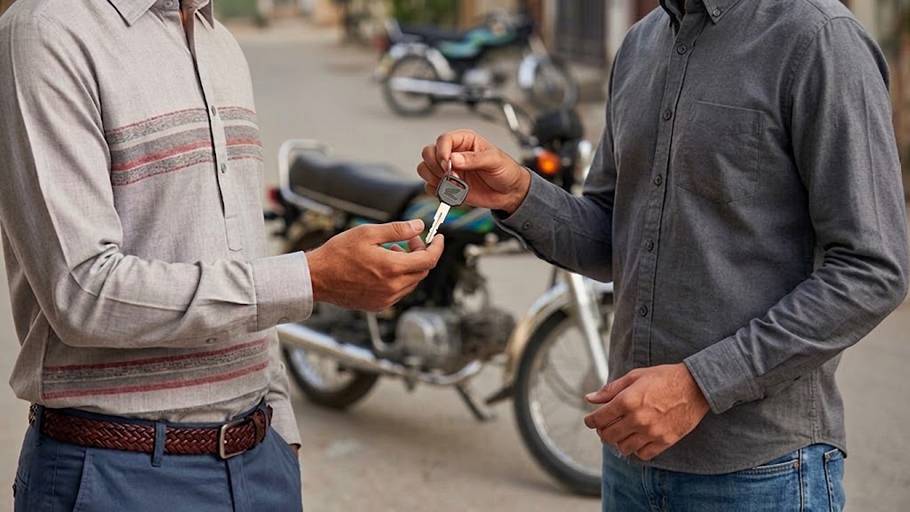
Bought a used bike recently, or planning to sell yours? There’s one step people keep pushing to the back of their mind: getting the ownership transferred on official record. Most buyers focus on the engine condition, the mileage, and the price negotiation, and honestly, that’s understandable. But once the deal is done, the real work starts, and that’s where bike ownership transfer comes in. It’s not just some extra paperwork to tick off a list. It’s what actually makes the bike legally yours.
In this guide, we’ll go through how to transfer bike ownership in Pakistan from start to finish, what documents you’ll need, how much it typically costs, and the mistakes people commonly make that end up costing them time and money.
Why Bike Ownership Transfer Actually Matters
Here’s something a lot of people don’t think about until it’s too late. When you sell a bike but skip the transfer, the motorcycle is still registered under your name in the Excise and Taxation Department’s records. Someone else might be riding it, but on paper, it’s still yours.
Now imagine that person gets a traffic challan, causes an accident, or worse, the bike ends up being used in something illegal. Guess whose name shows up first? Yours. That’s the kind of trouble nobody wants to deal with over a bike they don’t even own anymore.
It works both ways too. If you’re the buyer and you never get the bike transferred, you’ll hit a wall eventually, whether that’s when you try to sell it again, when you need to claim insurance, or when you simply want to prove the bike belongs to you. This is exactly why so many people search for how to transfer bike ownership in Pakistan right after closing a deal, instead of waiting weeks or months later.
Documents Required for Bike Transfer
Before heading to the Excise office, it’s worth getting your paperwork sorted so you’re not sent home to fetch something you forgot. Here’s what both sides typically need to bring:
From the seller:
- Original registration book, or the smart card if one has already been issued
- CNIC copy
- Two passport-size photographs
- Paid token tax receipt showing no pending dues
- A signed Transfer of Ownership (TO) form
From the buyer:
- CNIC copy
- Two passport-size photographs
- Signed TO form
- Sale agreement or receipt, in some cases
Both the buyer and seller are usually required to show up in person, mainly because of biometric verification. This is done through fingerprint scanning, either at the Excise office directly or through an approved digital channel. It’s become a standard part of the documents required for bike transfer in most provinces, and it exists for a good reason: it confirms that the actual registered owner is the one authorizing the sale, which cuts down on fraud and fake transfers.
One thing worth mentioning: requirements can shift slightly depending on where you are. Some regions ask for an extra affidavit, especially if the bike has changed hands more than once without a formal transfer being recorded. It’s always smart to call your local Excise office ahead of time and confirm exactly what they need from you.
How to Change Bike Ownership: Step-by-Step Process
The overall process for how to transfer bike ownership in Pakistan is fairly similar across the country, even though small details differ from province to province, whether you’re in Punjab, Sindh, KP, or Balochistan. Here’s how it generally plays out:
Step 1: Clear all pending dues
Before anything else, check that the token tax is fully paid and there are no outstanding challans tied to the bike. If there’s anything pending, the transfer will simply not move forward until it’s cleared.
Step 2: Gather your documents
Put together the registration book, CNIC copies, photographs, and the TO form for both the buyer and seller. Missing even one item can mean a wasted trip and having to come back another day.
Step 3: Visit the Excise office or book an appointment online
Several provinces, Punjab in particular, now let you book an appointment through the Excise portal, which saves you from standing in long queues. In Sindh and some other provinces, you may still need to visit the relevant Excise, Taxation and Narcotics Control Department office in person without booking ahead.
Step 4: Biometric verification
Both parties complete biometric verification, typically through fingerprint scanning. This step confirms the seller’s consent to the sale and verifies the buyer’s identity at the same time.
Step 5: Pay the transfer fee
Once the documents check out, you’ll pay the applicable bike transfer fee. In Punjab, this is often handled through the ePay Punjab app, where you generate a payment slip known as a PSID and pay it via bank, mobile wallet, or ATM. In other provinces, payments may still go through designated bank counters located inside the Excise office itself.
Step 6: Submit your file
After the payment is made, submit the complete file, documents, TO form, and payment receipt included, at the designated counter for processing.
Step 7: Receive your updated registration
Once everything’s verified and approved, the ownership record gets updated in the system, and a new smart card is issued in the buyer’s name. Depending on your region, you can either collect it in person or have it delivered by courier to your address.
Bike Transfer Fee: What to Expect
There’s no single fixed bike transfer fee across Pakistan. It depends on a few things: which province you’re in, the bike’s engine capacity, and sometimes even the model year. Generally speaking, motorcycle transfer fees are much lower than what car owners pay, often landing somewhere between a few hundred and a few thousand rupees.
It also helps to know that provincial governments sometimes announce relief measures, reduced charges, or fee waivers for motorcycle transfers as part of public welfare initiatives. These policies aren’t permanent and can change year to year, so instead of going by numbers you read somewhere online, it’s always better to confirm the current bike transfer fee directly with your local Excise and Taxation office or check their official website before heading over.
Provincial Differences Worth Knowing
While the basic process behind how to transfer bike ownership in Pakistan stays more or less the same everywhere, each province runs its own system with its own quirks. Punjab has moved fairly aggressively toward digital processes, with online appointment booking and app-based payments becoming the norm in most districts. Sindh still leans more on in-person visits at the Excise office, where your documents are checked, the bike may be physically inspected, and you’re given a token before your file is processed. KP and Balochistan follow similar principles but may have their own pace when it comes to digitizing the process.
official Sindh Excise, Taxation and Narcotics Control Department
If you’re moving a bike from one province to another as part of the transfer, be prepared for an extra step or two, since inter-provincial transfers sometimes require additional verification or a no-objection certificate from the original registering authority.
Common Mistakes to Avoid
A good chunk of the delays and disputes people run into are entirely avoidable. Here’s what to watch out for:
- Relying on “open transfer” or a verbal agreement. It might feel convenient in the moment, but it leaves you with no legal proof of ownership, and that can turn into a real problem later.
- Submitting incomplete or incorrect documents. Even something as small as a mismatched name spelling can hold up processing.
- Ignoring pending token tax or unpaid challans. These have to be cleared before the Excise office will even begin processing your transfer.
- Handing the entire process over to an agent. Agents can save you a trip or two, but they usually charge extra for work you could easily handle yourself with a bit of patience.
- Putting off the transfer after buying the bike. The longer it sits untransferred, the harder it becomes to trace records later, especially if the bike changes hands again before you get around to it.
Final Thoughts
Knowing how to transfer bike ownership in Pakistan isn’t just paperwork for the sake of it. It’s what actually makes you the legal owner in the eyes of the law. The process has genuinely gotten easier over the past few years, with biometric verification, online appointments, and digital payments replacing a lot of the old back and forth. That said, requirements and fees do shift depending on where you live, so it’s always worth a quick call to your local Excise office before you start.
Whether you’re changing bike ownership after buying one, or making sure a bike you sold is no longer sitting under your name, don’t let this step slip through the cracks. A completed transfer means peace of mind, legal protection, and a much smoother process if you ever decide to sell the bike down the line.
How to Transfer Car Ownership in Pakistan: The Complete Guide for 2026
Frequently asked questions
Quick answers to common questions about this guide.
What documents are required for bike ownership transfer in Pakistan?
You typically need the original registration book or smart card, CNIC copies of the buyer and seller, passport-size photographs, paid token tax proof, and a signed Transfer of Ownership (TO) form.
Is biometric verification required for bike ownership transfer?
Yes, both the buyer and seller are usually required to complete biometric verification to confirm their identities and authorize the ownership transfer.
How much does bike ownership transfer cost in Pakistan?
The bike transfer fee varies by province, engine capacity, and sometimes the model year. It can range from a few hundred to a few thousand rupees, so you should confirm the current fee with your local Excise office.
Can I transfer bike ownership online in Pakistan?
Some parts of the process can be completed online, especially in Punjab, where appointment booking and fee payment through ePay Punjab are available. However, requirements and online services vary by province.
How long does bike ownership transfer take in Pakistan?
The processing time depends on the province and Excise office. After document submission, biometric verification, and payment, the updated ownership record and smart card are issued once the transfer is approved.

Comments