




How to Transfer Car Ownership in Pakistan: The Complete Guide for 2026
Buying a used car in Pakistan usually involves a lot of focus on the mechanical side of things. People check the engine, negotiate the price, take a test drive, and feel good about the deal once money changes hands.
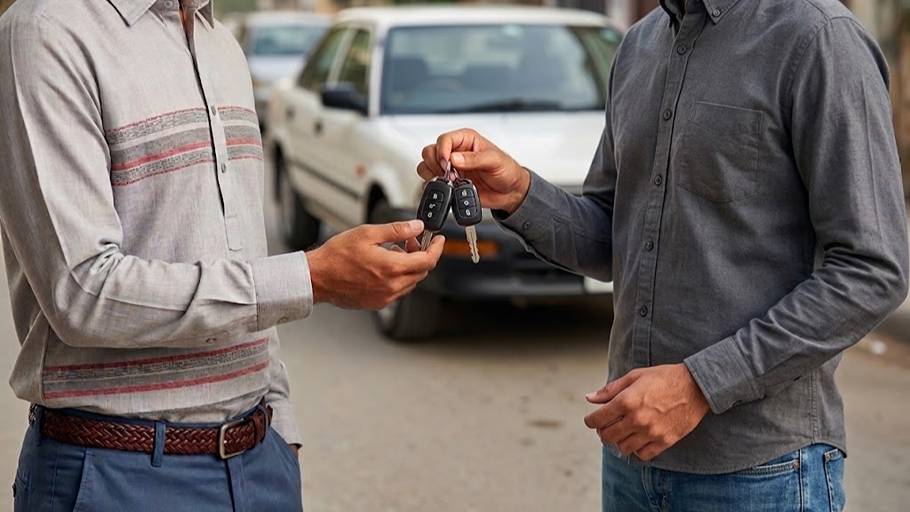
Buying a used car in Pakistan usually involves a lot of focus on the mechanical side of things. People check the engine, negotiate the price, take a test drive, and feel good about the deal once money changes hands. What most buyers do not realize is that paying for a car and legally owning it are two completely different things. Until you know how to transfer car ownership and actually complete that process, the vehicle is still legally the seller’s property in government records.
Every fine, every token tax due, every legal complication travels with the registration, not with the physical keys. This guide covers how to transfer car ownership in Pakistan from start to finish, with real information about the car transfer process, documents, fees, and the mistakes that cost people time and money.
The Part Most People Do Not Think About Until It Is Too Late
Most people only start thinking about how to transfer car ownership after something goes wrong. A challan arrives for the previous owner. Token tax shows up unpaid. A court order surfaces that nobody mentioned during the sale. At that point, the person holding the car has very limited options.
The car ownership transfer requirements exist because the Excise and Taxation Department maintains a registry that links every registered vehicle to a specific owner. When a vehicle is sold without completing the car transfer process, the official records still show the previous owner as responsible. For the buyer, this means no legal claim over a vehicle you paid for. For the seller, it means staying legally connected to a car you no longer have, receiving challans and tax notices for someone else’s driving.
The Punjab government in 2026 significantly increased penalties for failing to complete how to transfer car ownership within 30 days of a sale. Late fees now exceed the base transfer fee itself. The message is simple: do it immediately, not eventually.
Check the Vehicle Before You Hand Over Any Money
Before getting into how to transfer car ownership, there is one step that comes before everything else and that many buyers skip entirely.
Verify the vehicle through MTMIS, the Motor Transport Management Information System, available at mtmis.punjab.gov.pk for Punjab and equivalent portals for other provinces. Enter the registration number and you can see the current registered owner’s name, engine and chassis numbers, token tax history, and whether any legal hold or court order is attached. If anything the seller is telling you does not match what MTMIS shows, that is your signal to walk away.
Also check physically that the engine number and chassis number on the vehicle match what is written in the registration book. These are engraved on the engine block and chassis frame. A mismatch means tampering or a stolen vehicle. This check costs nothing and takes five minutes. Skipping it in the used car transfer process is one of the most expensive mistakes buyers make.
Documents You Need for the Car Transfer Process
Getting the car ownership transfer requirements in order before you visit the Excise office avoids being turned away for missing paperwork. The documents required for how to transfer car ownership are the same core set across all provinces with minor variations.
You need the original vehicle registration book or Smart Registration Card, original CNICs of both the buyer and seller along with photocopies, a sale certificate or sale deed signed by both parties confirming the transaction and agreed price, token tax clearance showing all outstanding taxes have been paid, and the car transfer fee payment receipt once payment has been made.
Token tax clearance is one of the most overlooked car ownership transfer requirements. The Excise Department will not process the car transfer process if token taxes are unpaid, regardless of which party owes them. Confirm this on MTMIS independently rather than relying on the seller’s paperwork. Receipts that look current sometimes are not.
Biometric verification of both buyer and seller is mandatory as of 2026 across all provinces. This can be completed through the Pak Identity App or at NADRA e-Sahulat centers at approximately Rs 200 to 300. Neither party can send a representative without specific legal authorization. Both people need to physically participate.
How to Transfer Car Ownership Step by Step
Once documents are ready, the car transfer process follows a clear sequence. Exact steps vary slightly by province but the core of how to transfer car ownership is consistent.
First, verify vehicle status through MTMIS and confirm all token taxes are clear before finalizing the sale.
Second, prepare the sale certificate. Both buyer and seller sign a written agreement confirming the vehicle details, agreed price, and date. This protects both parties if any dispute arises afterward.
Third, complete biometric verification. In Punjab this is done through the Pak Identity App or at a NADRA e-Sahulat center. In other provinces it is handled at the Excise office or designated centers. Both thumbprints must be verified against NADRA records.
Fourth, calculate and pay the car transfer fee in Pakistan. In Punjab this is done through the E-Pay Punjab app, which generates a PSID for online payment. In other provinces payment is made at the Excise office or designated bank branches.
Fifth, submit all documents to the Excise and Taxation Department in the district where the vehicle is registered. An Excise Inspector verifies the documents, data entry is completed, and a receipt is issued.
Sixth, collect the new Smart Registration Card in the buyer’s name. The used car transfer process typically takes 5 to 15 working days depending on the province and workload.
Car Transfer Fee in Pakistan: What You Actually Pay
The car transfer fee in Pakistan is based on the vehicle’s engine capacity and the province of registration. These are the most current figures available for 2026.
| Engine Capacity | Punjab Transfer Fee | Sindh Transfer Fee |
|---|---|---|
| Up to 800cc | Rs 1,000 to 1,200 | Rs 800 to 1,000 |
| 801cc to 1000cc | Rs 1,200 to 1,500 | Rs 1,000 to 1,200 |
| 1001cc to 1300cc | Rs 1,800 to 2,200 | Rs 1,500 to 2,000 |
| 1301cc to 1800cc | Rs 2,500 to 3,000 | Rs 2,000 to 2,500 |
| Above 1800cc | Rs 3,000 and above | Rs 2,500 and above |
Beyond the base car transfer fee in Pakistan, additional costs in the car transfer process include the biometric verification fee of around Rs 200 to 300, the Smart Registration Card issuance fee, and in some cases Withholding Tax on higher-value or newer vehicles being transferred for the first time. Always confirm current fees through your provincial Excise portal or E-Pay Punjab app before paying, as the car transfer fee in Pakistan is updated periodically.
Province by Province: Where Things Differ
The core car ownership transfer requirements are the same everywhere but the car transfer process varies in practical terms depending on your province.
In Punjab, how to transfer car ownership is the most digitized of all provinces. The E-Pay Punjab app handles fee payment through PSID generation, creating a traceable digital record. Biometric verification goes through the Pak Identity App or NADRA e-Sahulat centers. The entire used car transfer process in Punjab can be initiated online before the Excise office visit.
In Islamabad, the car transfer process involves document submission, fee payment, and biometric verification at designated ICT Excise and Taxation centers.
In Sindh, everything goes through provincial Excise offices. Car ownership transfer requirements are similar to Punjab but with a different fee structure and fewer online options.
In Khyber Pakhtunkhwa, document submission and fee payment are handled in person at local Excise and Taxation offices.
The Open Transfer Trap
Pakistan has a long-standing habit of what is called open transfer. The seller signs the registration book, hands over the car, and nobody goes near the Excise office. The idea is to avoid the car transfer fee in Pakistan and the hassle of visiting a government office.
The problem is that open transfer is illegal and creates severe complications that surface later, sometimes years later. If a vehicle has passed through multiple open transfers, tracing back to the original registered owner for biometric verification becomes either extremely difficult or impossible if that person has moved, become unreachable, or passed away. The buyer at the end of that chain has the weakest legal position of anyone involved.
The 2026 push to digitize how to transfer car ownership specifically targets eliminating open transfer culture. Mandatory biometric verification from both parties means there is now a verifiable record of every legitimate transfer, making the open transfer system increasingly unworkable legally.
Where the Used Car Transfer Process Goes Wrong
Certain mistakes show up repeatedly in the used car transfer process and every one of them is avoidable.
Skipping MTMIS verification before the purchase causes the most serious downstream problems. Buyers discover court orders, unpaid taxes, and mismatched registration details after the money is gone.
Not clearing token tax before starting the car transfer process creates delays that the buyer often ends up absorbing. The Excise Department does not move forward until token taxes are clear.
Delaying how to transfer car ownership beyond 30 days of the sale date now comes with steep penalties in Punjab that exceed the standard car transfer fee in Pakistan. Transfer immediately.
Using a photocopy of the registration book instead of the original gets applications rejected without exception.
Sending a representative for biometric verification without proper legal authorization is rejected in most provinces. Both buyer and seller must participate in person.
After the Transfer Is Done
Once the car transfer process is completed and approved, the Excise and Taxation Department cancels the previous registration in the seller’s name and issues a new Smart Registration Card showing the buyer as the registered owner. This card is the legal proof of ownership.
Keep it somewhere safe. Losing it requires a formal duplicate application. Token tax from this point forward is linked to the buyer’s CNIC and address. Any challan or legal notice issued after the transfer date is entirely the new owner’s responsibility.
What This All Comes Down To
How to transfer car ownership is what actually completes a used car purchase in a legal sense. Paying for a car is one thing. Having that car officially in your name in government records is another, and the gap between the two is where problems live.
The car transfer process in 2026 is more digital, more transparent, and more seriously enforced than before. The car ownership transfer requirements are clear. The car transfer fee in Pakistan is known in advance. Biometric verification is mandatory. Open transfer is being closed off systematically.
Complete how to transfer car ownership immediately after purchase, use the correct provincial system, bring the right documents, and the used car transfer process is straightforward from start to finish.
How to Get a Driving License in Pakistan: A Simple Step-by-Step Guide
Frequently asked questions
Quick answers to common questions about this guide.
What documents are required to transfer car ownership in Pakistan?
You generally need the original registration book or Smart Registration Card, CNICs of both buyer and seller, a signed sale certificate or sale deed, token tax clearance, and the transfer fee payment receipt. Biometric verification of both parties is also required.
How much does car ownership transfer cost in Pakistan?
The car transfer fee in Pakistan depends on the vehicle's engine capacity and province of registration. You may also need to pay biometric verification charges, Smart Registration Card fees, and applicable taxes. Always confirm the latest fee through your provincial Excise and Taxation Department before making payment.
Can I transfer car ownership without the seller being present?
In most cases, both the buyer and seller need to complete the required biometric verification for the car transfer process. A representative may not be accepted unless specific legal authorization is available.
How long does car ownership transfer take in Pakistan?
The used car transfer process typically takes around 5 to 15 working days after the required documents, biometric verification, and fees have been completed. Processing time can vary depending on the province and Excise Department workload.

Comments