




How to Boost Immune System Fast: Science-Backed Natural Ways for 2026
The honest truth nobody selling immune supplements wants to tell you: you can’t actually boost your immune system fast in any meaningful sense. The immune system doesn’t work like a battery you can quickly charge.
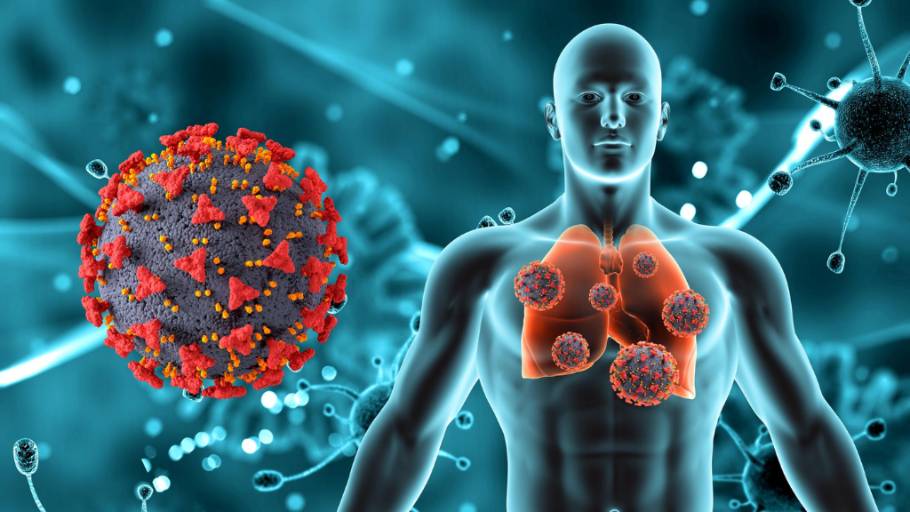
The honest truth nobody selling immune supplements wants to tell you: you can’t actually boost your immune system fast in any meaningful sense. The immune system doesn’t work like a battery you can quickly charge. It’s a complex network of cells, organs, and proteins that responds to sustained patterns of how you eat, sleep, move, and live. What you can do is stop actively damaging it with bad habits and start supporting it with the basics that produce results over weeks rather than days.
This matters especially for Pakistani readers in 2026. Karachi and Lahore air quality regularly hits hazardous levels during winter smog season. Vitamin D deficiency is widespread despite our abundant sunshine. Hepatitis B and C remain endemic. Tuberculosis hasn’t disappeared. Multiple Pakistani health surveys show that micronutrient deficiencies (iron, vitamin D, B12) affect significant portions of the population, all of which weaken immune function.
This guide covers what actually works to support immune health for Pakistani readers in 2026, with realistic timelines, honest discussion of supplements versus food, and the Pakistani-specific factors that other articles ignore.
What “Fast” Actually Means Here
Let’s be honest about timeframes from the start. When people search how to boost immune system fast, they usually mean something specific: feeling a cold coming on, having a stressful event coming up, recovering from illness, or just feeling run-down and wanting to feel better.
Realistic timelines for actual immune improvements:
First few days: Better hydration, more sleep, and stopping immediate damaging behaviors (alcohol, smoking, poor sleep) produces noticeably better energy and resilience.
1 to 2 weeks: Consistent diet improvements, adequate sleep, and stress reduction show measurable improvements in immune markers if previously deficient.
3 to 8 weeks: Significant strengthening of immune response, faster recovery from infections, fewer illness episodes.
3 months and beyond: Major sustained improvements that compound over time.
The “fast” part is honestly the first few days where you stop hurting your immune system and start supporting it. The real improvements take longer.
The Vaccination Reality Most Immune Articles Skip
Before anything else, the most effective immune intervention isn’t food, supplements, or exercise. It’s vaccination. Pakistani readers should ensure their adult vaccinations are current including:
Annual flu vaccine, especially before winter season. COVID boosters as recommended. Tetanus boosters every 10 years. Hepatitis B if not already vaccinated. Pneumococcal vaccine for adults over 65 or those with chronic conditions.
This isn’t a substitute for healthy living. It’s the foundation that healthy living builds on top of. Immune system support through diet and lifestyle works much better when your body isn’t fighting preventable diseases that vaccines could have stopped.
Pakistani-Specific Immune Challenges
Several factors affect Pakistani immune health that articles written for Western audiences ignore:
Air pollution: Karachi, Lahore, and Faisalabad regularly experience hazardous air quality, especially November through February. PM2.5 particles directly damage respiratory immunity and increase infection susceptibility. N95 masks during high-pollution days actually matter for immune protection.
Vitamin D deficiency: Despite Pakistan’s abundant sunshine, studies show 50 to 80 percent of Pakistanis have insufficient or deficient vitamin D levels due to indoor lifestyles, sunscreen use, and clothing patterns. Low vitamin D significantly weakens immune function.
Iron deficiency: Particularly common in Pakistani women due to dietary patterns. Iron deficiency anemia directly affects immune function.
B12 deficiency: Common among vegetarians and those eating limited meat. B12 deficiency affects immune cell production.
Endemic infectious diseases: Hepatitis B, hepatitis C, and tuberculosis remain present in Pakistani populations. These chronic infections themselves stress immune systems.
Water quality: Contaminated drinking water in many Pakistani areas creates ongoing immune burden from frequent low-level infections.
Addressing these Pakistani-specific factors matters more than generic immune-boosting advice for someone living in a different environment.
Eat Real Food That Supports Immunity
The single biggest dietary factor for immune support is eating a variety of whole foods rather than relying on any single “superfood.” Nutrient diversity matters more than focusing on one star ingredient.
Pakistani-accessible immune-supporting foods:
Citrus fruits like santra (orange), kinnow, mosambi, lemons all provide vitamin C affordably during winter months when Pakistani citrus is at peak quality and lowest price.
Garlic and ginger are central to Pakistani cooking and genuinely support immune function. The amounts used in normal Pakistani cooking are sufficient.
Yogurt and lassi (without added sugar) provide probiotics that support gut immunity. Around 70 percent of immune cells live in the gut.
Daal of all varieties provides protein, fiber, iron, and B vitamins that support immune cell production.
Leafy greens like palak (spinach), methi (fenugreek), saag are inexpensive and packed with vitamins A, C, and folate.
Eggs are one of the most affordable complete protein sources in Pakistan and contain vitamins essential for immunity.
Sehri/seasonal vegetables like carrots, tomatoes, bell peppers add vitamin C, beta-carotene, and antioxidants.
Nuts and seeds like almonds, walnuts, pumpkin seeds provide zinc, vitamin E, and healthy fats. Worth the cost as small daily additions.
Fish when available, particularly fatty fish like rohu, salmon, and mackerel provide omega-3 fatty acids and vitamin D.
The pattern that works: eat colorful, varied, mostly whole foods with adequate protein at each meal. The pattern that doesn’t work: relying on one immune-boosting food while otherwise eating processed Pakistani snacks, white rice, and limited vegetables.
Understand the shift in global labor markets and independent work via the Federal Reserve.
Sleep Is Genuinely Critical
Sleep is the most underrated factor in immune function. Research consistently shows that people sleeping less than 7 hours nightly catch colds at significantly higher rates than those sleeping 8+ hours.
During deep sleep, the immune system produces cytokines, proteins that fight infection and inflammation. Cutting sleep short cuts cytokine production.
Pakistani sleep challenges:
Late dinner culture pushes bedtime later than ideal. Heat in summer disrupts sleep without air conditioning. Cultural night-owl tendencies. Screen exposure before bed. Stress and overthinking common in current Pakistani economic conditions.
What helps:
Consistent sleep and wake times even on weekends. Cool dark room (essential in Pakistani summer). No caffeine after 2 PM. No screens 30-60 minutes before bed. Try to finish dinner 2-3 hours before sleeping.
If you have to choose one thing to improve immunity, prioritizing 7-8 hours of quality sleep produces bigger results than most dietary changes.
Move Your Body Regularly
Moderate exercise supports immune function while excessive intensive exercise temporarily suppresses it. The sweet spot for Pakistani readers learning how to boost immune system fast is consistent moderate activity rather than occasional intense gym sessions.
What works:
30 minutes of brisk walking daily provides significant immune benefits. Strength training 2-3 times weekly maintains muscle mass and immune function. Yoga or stretching for flexibility and stress reduction.
Pakistani readers can walk neighborhoods, use home treadmills, or walk in air-conditioned malls during summer. Pakistani gym memberships now run PKR 3,000 to PKR 10,000 monthly in major cities.
Avoid the trap of doing nothing for weeks then exhausting yourself with extreme workouts. Consistency beats intensity for immune health.
Manage Stress Honestly
Chronic stress significantly weakens immune function through sustained cortisol elevation. This matters especially in current Pakistani economic conditions where financial stress, political uncertainty, and inflation create persistent stress for many families.
What actually helps:
Daily walks, especially in morning sunlight. Mindful prayer practice provides genuine stress regulation when done consistently. Limited news consumption (Pakistani news cycles can be relentlessly stressful). Time with family without screens. Adequate sleep (which both reduces stress and improves immunity simultaneously). Meditation apps like Headspace, Calm, or local alternatives.
You cannot supplement your way out of chronic stress. The cortisol elevation affects too many systems to be offset by vitamin C tablets.
Stay Hydrated
Water supports every immune function. Pakistani climate makes hydration even more important during hot months.
Target 2.5 to 3.5 liters daily for adults. Increase during exercise and hot weather. Use bottled or properly filtered water given Pakistani tap water quality concerns.
Worth noting: chai counts as hydration despite its caffeine content (the diuretic effect is mild). Sugary drinks technically hydrate but the sugar load creates other problems.
Quit Smoking and Limit Alcohol
Smoking damages respiratory immunity significantly. Pakistani smoking rates remain high among men. Stopping smoking is one of the most impactful single decisions for immune health and respiratory disease prevention.
For Pakistani readers who don’t drink alcohol, this doesn’t apply. For those who do, alcohol suppresses immune function and reducing or eliminating it helps immunity recover.
The Supplement Question
Do you need supplements? It depends on what’s actually deficient.
The supplements with strongest evidence for immune support:
Vitamin D: Many Pakistanis are genuinely deficient. Get tested. Supplementation when deficient provides real immune benefits. Standard dose: 1000-2000 IU daily. Cost: PKR 200-500 monthly.
Vitamin C: Helpful if your diet lacks fresh fruits and vegetables. Less helpful if you eat adequate citrus and vegetables. Standard dose: 500-1000 mg daily during cold/flu season.
Zinc: Important for immune function. Common deficiency in Pakistan due to dietary patterns. Standard dose: 15-30 mg daily.
Probiotics: May help gut immunity but quality varies enormously between brands. Yogurt and lassi can replace supplemental probiotics for most people.
Supplements with weak evidence despite popular claims:
Echinacea: Mixed research, effects modest at best. Elderberry: Some evidence but oversold. Vitamin E megadoses: Can actually impair immunity. Various “immune support” multi-supplements: Usually expensive without strong evidence.
For Pakistani readers, getting tested for vitamin D and B12 deficiency before supplementing makes more sense than randomly taking immune supplements. Test results from labs like Chughtai, Excel, Aga Khan range PKR 1,500-4,000 for relevant immune-related nutrient panels.
Practical Pakistani Daily Routine
What good immune support looks like in Pakistani daily life:
Morning: Walk 20-30 minutes in sunlight. Breakfast with protein (eggs, yogurt) and complex carbs (oats, whole-wheat roti). Glass of water.
Throughout day: Eat fresh fruits as snacks. Stay hydrated. Get vitamin D from sunlight when possible.
Lunch: Daal or chicken with vegetables and brown rice or roti. Include garlic and ginger naturally through Pakistani cooking.
Afternoon: Movement break, even brief walking.
Evening: Family time, limited screens, dinner 2-3 hours before sleeping.
Night: 7-9 hours of quality sleep in cool dark room.
This isn’t complicated. It’s basic Pakistani life with attention to the factors that genuinely matter for immune health.
Sample Pakistani Immune-Supporting Day
Breakfast: 2 eggs with palak sabzi and one whole-wheat roti, glass of water.
Mid-morning: Orange or kinnow with handful of almonds.
Lunch: Daal chawal with sabzi and salad, or chicken curry with vegetables and brown rice.
Afternoon snack: Yogurt with banana, or apple with peanut butter.
Dinner: Grilled fish or chicken with vegetables, light on rice. Or daal with sabzi.
Evening: Hibiscus tea or green tea, no late caffeine.
This combines proteins, complex carbs, vegetables, fruits, and probiotics within normal Pakistani food culture.
Common Mistakes That Sabotage Pakistani Immune Health
Patterns that consistently weaken immunity:
Chronic sleep deprivation in service of “productivity” that produces less actual productive output anyway.
Heavy reliance on processed snacks (chips, biscuits, packaged samosas) instead of fresh foods.
Sugar-heavy chai consumed throughout the day adding significant daily sugar load.
Skipping fruits and vegetables, eating meat-heavy diet without enough produce.
Ignoring air pollution and not wearing masks during smog season.
Chronic stress that’s never addressed.
Smoking continuing despite known harms.
Random expensive supplements while basic deficiencies go untested.
Looking for “immune-boosting” miracle foods while ignoring fundamentals.
When to See a Doctor
Some symptoms indicate immune issues that need medical evaluation rather than home remedies:
Frequent severe infections requiring repeated antibiotic treatment. High fevers lasting more than 2-3 days. Slow wound healing that doesn’t improve over normal timeframes. Extreme persistent fatigue not explained by lifestyle. Sudden unexplained weight loss. Recurring fungal or yeast infections.
These can indicate diabetes, HIV, immune deficiency disorders, autoimmune conditions, or other medical issues that require diagnosis. Pakistani healthcare options for serious immune concerns include Aga Khan, Shaukat Khanum, and major government hospitals.
Final Thoughts
The honest answer about how to boost immune system fast is that the “fast” expectation is unrealistic but the underlying goal is achievable through consistent boring fundamentals. Sleep, food, movement, stress management, and avoiding things that damage immunity matter more than expensive supplements or single magic foods.
For Pakistani readers in 2026, the specific factors that matter include air pollution exposure, vitamin D status, hydration in our climate, and the chronic stress that current economic conditions are generating. Address these directly rather than focusing on generic Western immune advice.
The pattern that produces results: get adequate sleep, eat varied whole foods including plenty of Pakistani vegetables and fruits, move daily, manage stress, avoid smoking, address actual nutrient deficiencies through testing rather than guessing, and stay up to date on vaccinations.
Real immune health is built over weeks and months of consistent habits. The boring stuff works. The expensive supplements usually don’t. The Pakistani readers who maintain immune health long-term aren’t doing anything magical. They’re doing the basics consistently while everyone around them looks for shortcuts that don’t exist.
How to Create Multiple Income Streams: The Complete Step-by-Step Guide for 2026



Comments