




Healthy Pakistani Breakfast Ideas: The Complete Guide to Starting Your Day Right in 2026
Pakistani breakfast is genuinely good food. The problem isn’t the cuisine. It’s how some traditional preparations evolved during eras when people did hours of physical work daily and needed dense calorie sources to function.
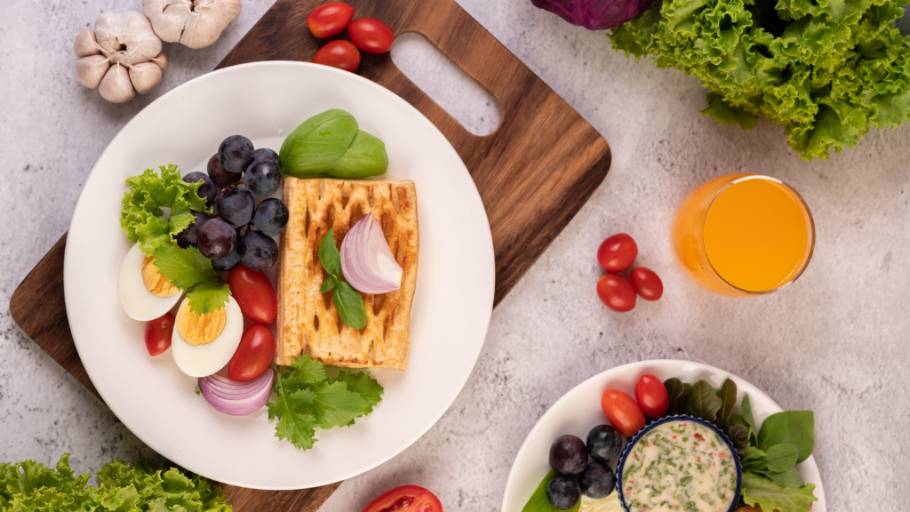
Pakistani breakfast is genuinely good food. The problem isn’t the cuisine. It’s how some traditional preparations evolved during eras when people did hours of physical work daily and needed dense calorie sources to function. Modern Pakistani office workers, students, and most urban adults aren’t doing that kind of physical work but are still eating like they are. The result shows up in rising diabetes rates, weight gain, and the energy crashes that hit most Pakistanis by 11 AM.
Healthy Pakistani breakfast ideas don’t require abandoning desi food. They require understanding which traditional options already work nutritionally, which can be adapted with small changes, and which modern additions fit naturally into Pakistani kitchens without feeling foreign.
This guide covers what actually works for Pakistani breakfast in 2026, with specific preparations, nutritional context, and realistic options for different morning schedules ranging from leisurely weekends to 15-minute rushes before school or work.
Why Pakistani Breakfast Matters More Than People Realize
Skipping breakfast is common across Pakistani households. So is breakfast that’s basically refined carbs plus sweet chai. Both patterns contribute to the health issues that have become so widespread.
What science consistently shows about breakfast and health:
A balanced morning meal stabilizes blood sugar through the day, reducing cravings and crashes. Protein at breakfast improves satiety and reduces total daily calorie intake compared to skipping or eating only carbs. Fiber-rich breakfast supports digestive health and feeds beneficial gut bacteria. Skipping breakfast often leads to overeating at lunch and dinner, plus poor food choices throughout the day.
The Pakistani specific situation is worse than averages because traditional breakfast options frequently combine refined flour, oil, and sugar in patterns that spike blood sugar dramatically. Even one major change toward a more balanced breakfast produces noticeable improvements within 2-4 weeks for most people.
The good news is that several traditional Pakistani breakfast options are already excellent. Several others can be adapted with simple changes. The healthy Pakistani breakfast ideas in this guide focus on options that work within existing food culture rather than requiring imported ingredients or unfamiliar cooking.
Review the latest healthy diet recommendations from the World Health Organization (WHO).
1. Eggs Properly Done
Eggs are one of the most nutritionally complete breakfast foods available and already established in Pakistani breakfast tradition. A single large egg provides 6 grams of high-quality protein plus essential amino acids, vitamins B12 and D, choline for brain function, and selenium.
Two eggs at breakfast provide enough protein to stabilize blood sugar and keep hunger away until lunch. The preparation matters significantly. Eggs fried in large amounts of ghee lose some nutritional advantage. The healthier preparations include boiled eggs (simplest and quickest), poached eggs, scrambled with minimal oil, or omelets with vegetables.
Adding spinach, tomatoes, onions, or green chilies to scrambled eggs or omelets increases fiber, vitamins, and minerals without significant added calories. The Pakistani anda pakora style omelet with tomato, onion, green chili, and coriander is genuinely one of the most balanced quick breakfast options when made with minimal oil.
Pair with one whole-wheat roti or one slice of whole-wheat toast and a glass of low-fat milk for a complete morning meal that takes 10 minutes.
2. Daal Chana
Chana daal at breakfast is one of the most underappreciated healthy Pakistani breakfast ideas from a nutritional standpoint. A cooked cup provides approximately 14 grams of protein, 12 grams of fiber, plus iron, folate, and magnesium. The combination delivers sustained energy and serious satiety that easily lasts until lunch.
What works for breakfast preparation: chana daal cooked the night before in minimal oil with turmeric, cumin, and tomatoes, then reheated in the morning. Pair with one whole-wheat roti or eat plain with a spoon for very quick preparation. Add yogurt on the side for additional protein.
Other daal varieties work too. Masoor daal is even faster to prepare. Moong daal is lighter and easier to digest. The principle is the same regardless of variety: legumes plus minimal oil plus traditional spices equals excellent nutrition.
3. Oats Done Pakistani Style
Oats have become genuinely accessible in Pakistan and work better with desi flavors than people expect. The beta-glucan fiber in oats stabilizes blood sugar, reduces LDL cholesterol, and improves digestion.
Two preparation approaches work well:
Savory oats: Cook with milk or water, add cumin seeds, diced onion, green chili, and a pinch of salt. Tastes nothing like the bland Western porridge most Pakistanis associate with oats. Some people add boiled egg or vegetables on top.
Sweet oats: Cook with milk, add honey, chopped dates, cinnamon, and a tablespoon each of chopped almonds and walnuts. Provides sustained energy without blood sugar spike.
Steel-cut oats produce the steadiest energy release but take longer to cook. Rolled oats are faster and still good. Avoid the flavored instant packets which usually contain added sugar.
4. Yogurt with Fruit
Plain yogurt with seasonal Pakistani fruit is one of the simplest healthy Pakistani breakfast ideas and one of the most nutritionally effective. Plain dahi provides probiotics for gut health, calcium for bones, and 10-12 grams of protein per 200-gram serving.
Pakistani fruits that work particularly well: banana for potassium and quick energy, guava for vitamin C and fiber (more vitamin C than oranges per 100 grams), papaya for digestive enzymes, apple for sustained energy, and dates for iron and natural sweetness.
For added nutrition, sprinkle a tablespoon of chopped almonds, walnuts, or pumpkin seeds on top. Add a teaspoon of honey if needed for sweetness rather than using sweetened yogurt.
This breakfast takes 2-3 minutes to prepare and requires no cooking. Ideal for busy mornings and works for children who often resist heavier breakfasts.
5. Whole-Wheat Roti with Saalan
Not every traditional Pakistani breakfast needs replacing. Roti with leftover saalan from the previous night is genuinely good breakfast when made with the right flour.
The critical change is switching from white maida or refined atta to whole-wheat atta or multigrain flour. This single change improves the nutritional profile dramatically through added fiber, B vitamins, and slower digestion.
Whole-wheat roti paired with leftover daal, a small portion of chicken curry, mixed vegetables, or yogurt creates a balanced breakfast with complex carbs, protein, and the comfort of familiar food. Pakistani children particularly tend to eat this kind of breakfast more willingly than newer options.
For weekday efficiency, make extra roti the night before or use the morning’s leftover chapati from the previous night’s dinner.
6. Dalia Porridge
Dalia is broken whole wheat that older generations of Pakistanis grew up eating. It’s been replaced in many homes by less nutritious options but deserves a comeback.
Dalia provides complex carbohydrates, fiber, B vitamins, iron, and magnesium. It has a lower glycemic index than white bread or maida roti, meaning slower energy release and more stable blood sugar.
Sweet preparation: cook dalia in low-fat milk with a teaspoon of honey, cinnamon, and chopped almonds.
Savory preparation: cook dalia with sauteed onion, tomato, green chili, and minimal oil. Add boiled vegetables or paneer for additional protein.
Both versions are filling, affordable, and align with traditional Pakistani breakfast preferences. Cost-effective option for families watching their budget without sacrificing nutrition.
7. Nuts and Milk
For mornings when there’s genuinely no time, warm milk with a handful of mixed nuts and dates is one of the quickest healthy Pakistani breakfast ideas available.
Almonds for vitamin E and healthy fats. Walnuts for omega-3 fatty acids. Pistachios for potassium and antioxidants. Dates for iron and natural energy. Dried figs for fiber. Cashews for magnesium.
A glass of low-fat milk adds calcium, vitamin D, and protein to round out the meal. For lactose-intolerant family members, fortified soy milk or almond milk works similarly.
Total prep time: under 2 minutes. Provides 3-4 hours of sustained energy. Particularly good for school children who need to leave home quickly and elderly family members who don’t want heavy breakfast.
8. Aloo Paratha Adapted
Aloo paratha is a cultural institution and completely eliminating it from Pakistani breakfast isn’t realistic or necessary. What needs adjustment is the preparation rather than the dish itself.
Traditional version uses white maida and significant ghee. Adapted version uses whole-wheat atta and minimal cooking oil. The taste difference is smaller than people expect and the nutritional improvement is substantial.
Stuff the paratha with boiled potato mashed with onion, coriander, green chili, and minimal salt. Cook in one teaspoon of olive oil or small amount of desi ghee rather than swimming in fat. Pair with plain yogurt rather than butter or cream.
This adapted version retains everything that makes aloo paratha worth eating while being significantly better for sustained energy and overall health. Save the heavily fried traditional version for occasional weekend treats rather than daily breakfast.
9. Pakistani-Style Smoothies
Smoothies have become popular among Pakistani urban professionals and students because they pack nutrition into a quick portable format. A blender plus seasonal fruits plus yogurt or milk produces something genuinely good in 3 minutes.
Combinations that work:
Banana, mango (when in season), yogurt, honey, ice. Classic Pakistani flavor combination.
Banana, oats, milk, peanut butter, dates. Sustained energy version.
Spinach (small handful), banana, yogurt, honey. Hidden greens that taste invisible.
Mixed berries (when available), yogurt, honey, chia seeds. Antioxidant-heavy version.
Smoothies particularly help children and teenagers who don’t eat enough fruit otherwise. The blender hides things that would be refused if visible on the plate.
10. Chana Chaat at Breakfast
Boiled chickpeas with onion, tomato, green chili, lemon juice, and chaat masala is one of the most nutrient-dense breakfast options that rarely gets positioned as breakfast in Pakistani homes.
A cup of boiled chickpeas provides 15 grams of protein, 12 grams of fiber, plus iron, folate, and magnesium. The combination keeps hunger away for 4-5 hours. Particularly good for diabetics or anyone managing weight because chickpeas have a very low glycemic index.
Make chana chaat the night before. Takes 5 minutes in the morning to add fresh onion, tomato, and lemon. Eat plain or with one whole-wheat roti.
Comparison Table: Pakistani Breakfast Options
| Breakfast | Protein | Fiber | Prep Time | Best For |
|---|---|---|---|---|
| Eggs with vegetables | 12-14g | 2-3g | 10 min | Most adults, kids |
| Daal chana | 14g | 12g | 5 min (if pre-cooked) | Sustained energy |
| Oats with nuts | 8-10g | 4-6g | 5 min | Heart health |
| Yogurt with fruit | 10-12g | 3-5g | 2 min | Quick mornings |
| Whole-wheat roti with daal | 10-12g | 6-8g | 10 min | Families with kids |
| Dalia porridge | 6-8g | 5-7g | 10 min | Budget option |
| Nuts and milk | 8-10g | 2-3g | 2 min | Rushed mornings |
| Adapted aloo paratha | 8-10g | 4-5g | 15 min | Weekend comfort |
| Pakistani smoothie | 8-12g | 3-5g | 3 min | Kids and teens |
| Chana chaat | 15g | 12g | 5 min | Diabetes management |
What to Reduce or Replace
Some common Pakistani breakfast patterns work against good health and deserve honest discussion:
Halwa puri on a regular basis. The combination of refined flour, deep frying, and sugar-heavy halwa is fine as an occasional treat (Sunday tradition, special occasions) but problematic as a regular weekday breakfast. Save it for actual occasions.
Heavily sweetened chai consumed without food is one of the most common Pakistani patterns and produces the worst blood sugar response of all morning habits. If you must have sweet chai, eat something protein-containing alongside it.
White bread toast with jam combines refined flour with concentrated sugar. Creates fast blood sugar spike and crash within two hours.
Samosas, pakoras, and other fried snacks at breakfast provide calories without meaningful protein or fiber.
Sugary cereals marketed as healthy often contain as much sugar as candy. Read labels.
None of these need permanent elimination from Pakistani food culture. They work as occasional treats. They don’t work as daily breakfast staples if health matters.
A Sample Week of Healthy Pakistani Breakfast Ideas
Monday: Two boiled eggs with one whole-wheat toast and milk.
Tuesday: Oats cooked with milk, honey, dates, and chopped almonds.
Wednesday: Daal chana with one whole-wheat roti and plain yogurt.
Thursday: Yogurt with guava, banana, and pumpkin seeds.
Friday: Dalia porridge with milk and honey.
Saturday: Adapted aloo paratha with yogurt and unsweetened chai.
Sunday: Chana chaat with fresh onion, tomato, and lemon, plus small cup of less-sweet chai.
This rotation provides variety, covers all major nutrient groups, and uses foods available in any Pakistani household at reasonable cost.
Practical Tips for Making This Sustainable
Knowing healthy Pakistani breakfast ideas matters less than actually eating them consistently. What helps:
Prep components the night before. Pre-boiled eggs, pre-cooked daal, washed fruit, pre-portioned nuts make morning preparation faster.
Keep three or four options on rotation. Variety prevents boredom while limiting decision fatigue.
Match breakfast to schedule. Quick options for weekday rushes, more elaborate ones for weekends.
Get family buy-in. If kids and spouse hate the new breakfast, it won’t last. Find healthier versions of foods they already enjoy rather than imposing entirely new dishes.
Adjust gradually. Switching from maida roti to atta roti is one change. Trying to overhaul everything at once usually fails.
Stock the kitchen for success. Whole-wheat atta, oats, dalia, eggs, plain yogurt, fresh fruit, nuts, and basic spices cover most breakfast options in this guide.
Final Thoughts
Healthy Pakistani breakfast ideas aren’t about replacing Pakistani food with foreign alternatives. They’re about understanding which parts of desi breakfast tradition already work nutritionally, which can be adjusted with small changes, and which additions fit naturally into Pakistani kitchens.
Eggs, daal, yogurt, whole-wheat roti, oats, fruit, nuts, and chickpeas are all genuinely compatible with Pakistani taste preferences and budgets. The 10 options in this guide draw from foods available across Pakistan at reasonable cost. None require unusual ingredients or specialized cooking.
For most Pakistani families, picking even 2-3 of these healthy Pakistani breakfast ideas and rotating them through the week produces meaningful improvements in energy, weight management, and long-term health markers within 4-6 weeks of consistency.
Start with one change. Switch to whole-wheat atta if you haven’t already. Add eggs or yogurt to breakfast for protein. Reduce the sugar in your morning chai. These small shifts compound over months into significantly better health outcomes.



Comments