




How to Travel Cheap in USA
How to travel cheap in USA is a question many international and domestic travelers assume has no good answer. The United States has a reputation for being expensive, with high hotel costs, restaurant prices that surprise visitors used to paying tax-included menu prices, and significant tipping culture that adds 15-20% to every meal.
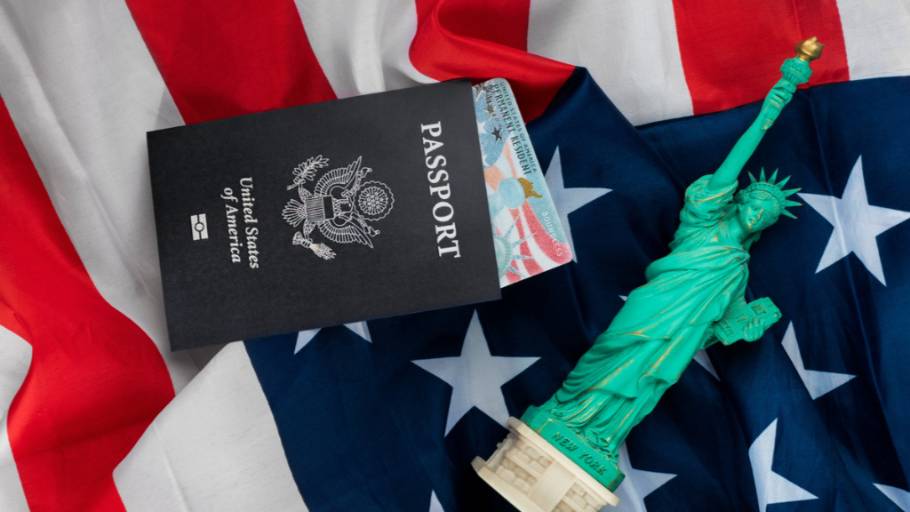
How to travel cheap in USA is a question many international and domestic travelers assume has no good answer. The United States has a reputation for being expensive, with high hotel costs, restaurant prices that surprise visitors used to paying tax-included menu prices, and significant tipping culture that adds 15-20% to every meal.
The reputation isn’t entirely fair though. The US has plenty of affordable travel options if you know where to look. Free national monuments, $80 annual passes covering hundreds of national parks, hostel networks in major cities, $5-25 intercity bus tickets, and grocery stores with prices significantly cheaper than restaurants all make budget travel feasible.
This guide on how to travel cheap in USA covers everything from booking flights to finding accommodation, eating well without overpaying, navigating transportation, and discovering the free experiences that make American travel genuinely worthwhile rather than just affordable.
Why Budget Travel in USA Matters in 2026
Travel costs in America increased significantly after the pandemic and haven’t fully returned to pre-2020 levels. Hotel prices in major cities now routinely run $200-400/night during peak times. Restaurant meals that look like $20 on menus end up being $25-30 after tax and tip. Domestic flight prices vary wildly but often exceed $300-500 for transcontinental routes.
Without planning, American travel can drain budgets fast. But knowing how to travel cheap in USA changes the equation significantly. The country has extensive free attractions, robust budget transportation networks, and cheap grocery infrastructure that experienced budget travelers leverage effectively.
The opportunity is real. Many people travel the US extensively on $80-150/day, well below what package tours typically charge.
Flights: The Biggest Expense Worth Managing
Domestic flights typically represent the largest single expense for US trips. They also offer the biggest savings opportunities if you book strategically.
When to book: Research consistently shows that 21-60 days in advance hits the sweet spot for domestic flights. Earlier than 60 days, airlines often haven’t released discount inventory. Later than 21 days, prices spike as flights fill up. International flights to the US generally benefit from 60-120 days advance booking.
Which days fly cheaper: Tuesday and Wednesday flights consistently cost less than Friday and Sunday departures. Business travelers fill Sunday and Monday morning flights. Leisure travelers fill Friday afternoon and Sunday evening flights. The middle of the week stays cheaper for both directions.
Which months matter: January and September are typically the cheapest months for domestic US travel. They fall between holiday travel and summer family vacation seasons. Late August through early October offers excellent value with decent weather.
Budget carriers worth knowing:
Spirit Airlines: Ultra-low base fares but charges for everything (bags, seat selection, drinks). Look for advertised low prices and add expected fees.
Frontier Airlines: Similar model to Spirit. Routes concentrated in Denver hub.
Southwest Airlines: More traditional service with two free checked bags included. Often cheapest for short-haul flights.
Allegiant Air: Serves smaller airports overlooked by major carriers. Limited route network but good deals when routes match your needs.
JetBlue: Free WiFi and snacks included even on base fares. Good East Coast and transcontinental options.
Tools for finding deals:
Google Flights provides excellent flexible date searches with calendar views showing prices across multiple dates.
Hopper predicts price trends and tells you when to wait versus book.
Skyscanner aggregates options across airlines including budget carriers.
Going (formerly Scott’s Cheap Flights) sends email alerts about discounted fares.
For how to travel cheap in USA from international origins, booking 4-6 months in advance and being flexible on entry city often saves substantially. Sometimes flying into a secondary airport (Newark instead of JFK, Oakland instead of San Francisco) cuts hundreds off the fare.
Ground Transportation Options
Once you’re in America, multiple options exist for how to travel cheap in USA between cities and within them.
Intercity buses:
Greyhound: Longest-established US bus network. Prices typically $20-80 depending on distance and booking timing.
FlixBus: European network expanded to US with modern buses and WiFi. Often cheapest for major routes between large cities. Tickets sometimes start at $9-15 if booked weeks in advance.
Megabus: Online-only booking with prices starting as low as $1 for early bookings on popular routes.
Tornado Bus, El Expreso: Specialized Hispanic-focused bus networks with extensive routes through Texas, California, and Mexico-border regions.
A realistic 4-6 hour intercity bus journey typically costs $20-45 when booking 2-4 weeks ahead.
Amtrak trains:
Often underrated for US budget travel. Routes like the California Zephyr (Chicago to San Francisco through the Rockies), Coast Starlight (Los Angeles to Seattle along the Pacific coast), and Empire Builder (Chicago to Seattle through Glacier National Park) combine transportation with spectacular scenery.
Amtrak offers significant discounts for students, seniors, and military travelers. Multi-city passes provide flexibility for longer trips.
Regional bus services:
Bustang (Colorado): Connects Denver to mountain towns including Vail, Glenwood Springs from $25-30 round trip.
ACE Express (California): Connects San Francisco Bay Area to Yosemite for $50-60 round trip in season.
Trailways and various regional services: Often serve routes major carriers don’t.
Renting a car:
For accessing national parks and rural areas, car rental becomes essential. Costs run $35-100/day depending on car type, season, and location. Sharing rental costs between 2-4 travelers often makes this cheaper per person than buses.
Discount rental tips:
Book through aggregators (Kayak, AutoSlash, Costco Travel) rather than direct.
Compare locations – airport rentals often cost 20-30% more than downtown locations.
Look at company rotations – Hertz, Avis, Budget, Enterprise, Alamo, National, Sixt, Thrifty offer different deals at different times.
Skip rental car insurance if your credit card or travel insurance covers it.
RVShare and Outdoorsy: RV rental platforms operating like Airbnb for RVs. RVs combine transportation and accommodation, which can work out to $80-200/day all-inclusive for groups.
City transit:
New York, Chicago, San Francisco, Washington DC, Boston, Philadelphia, Seattle, and Portland have reliable public transit. Daily or weekly passes are almost always cheaper than individual fares.
NYC MetroCard: $34/week unlimited.
Chicago Ventra: $20/3-day pass.
SF MUNI/BART: $5/day MUNI Visitor Passport.
Washington DC SmarTrip: $13/3-day pass.
Most other major cities have similar visitor passes worth comparing to individual fares.
Accommodation: Where the Biggest Savings Happen
After flights, accommodation typically costs most. It’s also where smart choices about how to travel cheap in USA produce the most savings.
Hostels exist in most major US cities though the network is smaller than Europe’s. Average dorm bed prices in 2026:
New York City: $40-70/night
Los Angeles: $35-60/night
San Francisco: $40-65/night
Chicago: $25-45/night
Washington DC: $30-50/night
Miami: $30-50/night
Seattle: $30-50/night
Boston: $35-55/night
Portland: $25-45/night
Hostelling International (HI) operates the largest US hostel network. Generator, Selina, and various independent hostels also serve major cities.
Camping is underused by international travelers planning how to travel cheap in USA.
National Park Service campgrounds: $15-35/night with reservation through Recreation.gov.
State park campgrounds: Often $10-25/night.
National forest dispersed camping: Often free in designated areas.
Walmart parking lots: Allow free overnight RV parking at many locations (call individual stores to confirm).
Cracker Barrel restaurants: Free overnight RV parking at most locations.
Casinos: Many allow free overnight RV parking.
National Park stays:
The Grand Teton National Park entrance fee is $35 per vehicle for seven days. Yellowstone is $35 per vehicle for seven days. You can spend a week between Yellowstone and Grand Teton for roughly $200-400 total including camping fees and food if cooking.
Yosemite, Grand Canyon, Zion, Bryce Canyon, Acadia, Olympic, and dozens of other major parks similarly offer $25-35 entrance fees that cover 7 days.
Hotel alternatives:
Airbnb and VRBO: Sometimes cheaper than hotels, especially for groups or longer stays. Compare cleaning fees that can add $50-150 to short stays.
Couchsurfing: Free stays with locals. Requires creating profile and arranging weeks ahead. Works best for travelers comfortable with the social aspect.
House sitting: Platforms like TrustedHousesitters connect travelers with homeowners needing pet/property sitters. Free stays in exchange for caring for pets/homes.
Hotwire/Priceline opaque rates: Hide the specific hotel name until you book but offer significant discounts for 3-star+ properties.
Budget hotel chains:
Motel 6: $50-80/night typically
Super 8: $60-90/night
Days Inn: $70-110/night
Quality Inn: $80-120/night
These chains exist in essentially every American city and town.
Pro Tip:Use Google Flights to monitor price drops, and for bus travel, check FlixBus USfor the latest deals on intercity routes.
Food: How Americans Spend Too Much
Food is where many travelers to America overspend without realizing it. The fix for how to travel cheap in USA on food is understanding the actual cost structure.
Restaurant math: A meal that looks like $15 on the menu ends up being $20-22 after tax (varies by state) and tip (15-20% expected). Three meals daily at $20-25 each equals $60-75/day just on food.
Grocery strategy: American grocery stores offer remarkable value by global standards.
Walmart: Lowest grocery prices nationally. Most locations open 24 hours.
Aldi: European-style discount chain with extremely competitive prices.
Trader Joe’s: Higher quality than budget chains but reasonable prices, popular for prepared foods and snacks.
Costco: Bulk warehouse with $1.50 hot dogs and free samples on weekends. Membership required ($60/year).
Whole Foods 365 brand: More affordable line within otherwise expensive Whole Foods stores.
A daily food budget of $20-35 is realistic when buying groceries and cooking, dropping from $60-80 when eating out.
Affordable restaurant chains worth knowing:
Costco food court: $1.50 hot dog, $2 pizza slice, $5 chicken bake.
Chipotle: $9-12 burrito or bowl, customizable, lots of food.
Five Guys: $8-12 burgers, free peanuts.
In-N-Out (West Coast): $5-9 burgers, famous animal-style fries.
Whataburger (Texas, expanding): Larger portions than typical chains.
Panda Express: $8-12 Chinese-American meals.
Dominos and Papa John’s: $5-7 pizza deals widely advertised.
Subway: $5-10 sandwiches, frequent promotions.
Gas station food: Many gas stations have surprisingly good and cheap food (Sheetz, Wawa, QuikTrip, Buc-ee’s).
Farmer’s markets:
Pike Place Market (Seattle): Iconic market with fresh seafood, produce, and prepared foods.
Reading Terminal Market (Philadelphia): Historic indoor market with diverse food options.
Original Farmers Market (Los Angeles): Outdoor market with international food stalls.
Eastern Market (Detroit): Major Saturday farmers market.
These offer fresh food at reasonable prices and provide local cultural experience.
Free Things to Do
One of the strongest arguments for how to travel cheap in USA is how much costs nothing.
Washington DC stands out as the ultimate free city. The Smithsonian Institution operates 21 museums and galleries, 19 in the DC area, entirely free. Includes National Air and Space Museum, Natural History Museum, American History Museum, National Museum of African American History and Culture, Hirshhorn Museum, Smithsonian Castle, and many others. All monuments and memorials on the National Mall (Lincoln, Jefferson, Washington Monument, World War II, Vietnam Veterans, Korean War, MLK Jr.) are free. Library of Congress, National Archives, US Capitol tours all free.
Free things across other cities:
Central Park (New York City): Free access to one of world’s most iconic parks.
Brooklyn Bridge walk (NYC): Famous free walk across iconic bridge.
Golden Gate Bridge (San Francisco): Free to walk across.
Lincoln Park Zoo (Chicago): One of the few free zoos in America.
National Mall museums plus extensive walking tours and free events year-round in DC.
Hollywood Walk of Fame (Los Angeles): Free street with stars.
Venice Beach Boardwalk (Los Angeles): Free entertainment and people watching.
Federal Hill (Baltimore): Free harbor views.
Free walking tours: Most major American cities have free walking tour companies (Free Tours by Foot, Local Lens, etc.). Guides work for tips, typically $10-20 per person at end. Cheaper than $40+ paid tours.
Free museum days: Many paid museums offer free admission days. Examples include Metropolitan Museum of Art (NYC) suggested donation, Getty Museum (LA) free, Smithsonian always free, multiple Chicago museums offer free Tuesday/Wednesday admissions.
National parks:
The America the Beautiful Pass ($80/year) covers entrance fees for every National Park Service site for a full year. If you visit more than 2-3 national parks, the pass pays for itself.
Free hiking and outdoor activities in national forests (many activities free, only campgrounds charge).
State parks: Generally cheaper than national parks at $5-15 entry, often free if just hiking.
Best Times to Travel Cheap
Spring (March-May) and fall (September-November) offer the best combinations of low prices and good weather for how to travel cheap in USA.
Late winter (January-February): Cheapest period for most destinations except ski areas. Weather constraints in many regions.
Spring: April-May offers warming weather, blooming flowers (Washington DC cherry blossoms, Texas Hill Country bluebonnets), and pre-summer pricing.
Summer (June-August): Most expensive season nationally. Family vacation season. National parks especially crowded. Avoid if possible.
Fall: September-November offers excellent weather across most regions, fall foliage in northeast and Colorado mountains, and post-summer pricing reductions.
Holiday weeks: Christmas/New Year and Thanksgiving see significant price spikes for both flights and hotels.
Festival season: Various festivals can affect specific city pricing (SXSW Austin in March, jazz festivals New Orleans April, etc.).
Practical Tips for International Visitors
If you’re an international visitor planning how to travel cheap in USA, several specific considerations apply.
Visa requirements: Citizens of 41 countries can use Visa Waiver Program (ESTA) for tourism stays up to 90 days. Other nationalities require B-2 tourist visa. Apply months ahead to allow processing time.
Travel insurance: Essential for international visitors due to extremely high US healthcare costs. A simple ER visit can cost $1,000-3,000 without insurance.
Phone service: Mint Mobile, Visible, T-Mobile prepaid offer cheap US service starting around $25/month. eSIM options (Airalo, Holafly) work for short visits without changing physical SIM.
Currency exchange: Avoid airport currency exchange (high fees). Use ATMs with Schwab debit cards (refund all foreign ATM fees) or Charles Schwab account. Notify your bank before traveling.
Credit cards: Many international cards charge foreign transaction fees. Bring at least one card without foreign transaction fees. Visa and Mastercard accepted essentially everywhere.
Distance reality: International visitors often underestimate American distances. New York to Los Angeles is 2,800 miles (4,500 km). Driving across the country takes 4-6 days minimum. Plan realistic schedules.
Cultural notes: Tipping is mandatory rather than optional. Sales tax added at register varies by state. State alcohol laws vary significantly (dry counties exist in some southern states).
Sample Budget for 7-Day USA Trip
A realistic budget showing how to travel cheap in USA in practice:
Accommodation: 7 nights mixing hostels and camping at average $40/night = $280
Food: Grocery shopping plus occasional inexpensive meal at average $30/day = $210
Local transportation: Mix of city transit and inter-city buses = $200
National park pass: $80 (annual, but counts for one trip if first use)
Activities: Mostly free, some paid entries at average $15/day = $105
Total: $875 for 7 days, approximately $125/day
Add round-trip flight from another country: $600-1,500 depending on origin and timing.
This budget doesn’t require sacrifice. Hostels are often clean and social. Camping puts you in spectacular landscapes. Cooking your own food is often healthier than restaurant eating. Free museums and parks deliver world-class experiences.
Comparison: Budget vs Standard vs Luxury
Approximate daily costs across travel styles:
Backpacker/budget: $80-150/day (hostels, cooking, free attractions, public transport)
Mid-range: $200-400/day (budget hotels, mixed dining, paid attractions, occasional rentals)
Luxury: $500-1,000+/day (4-5 star hotels, fine dining, private tours, premium rentals)
The gap between budget and mid-range is mostly accommodation and dining choices. The gap between mid-range and luxury is mostly hotel quality and dining preferences.
Final Thoughts
How to travel cheap in USA is ultimately about understanding where the real value lies. American travel offers extraordinary experiences at every budget level if you know how to access them.
The free National Park system covering 423 sites. The Smithsonian museums in DC. Major city parks and walkways. Iconic landmarks accessible without admission. National forests with free dispersed camping. State parks at low prices. Hostel networks in major cities. Cheap intercity buses and underrated train routes. Grocery stores with prices significantly cheaper than restaurants.
The decisions about how to travel cheap in USA happen before you leave home. Booking flights in advance during cheap months. Reserving hostel beds or campsites. Researching free attractions for each city. Planning grocery shopping into your daily routine. Buying transit passes rather than individual fares. Getting the National Park annual pass if visiting multiple parks.
None of these choices require sacrifice. Hostels are often more social and interesting than hotels. Camping puts you in landscapes more beautiful than any resort. Cooking your own food often means eating better than at restaurants. Free attractions are frequently the most memorable parts of any trip.
How to travel cheap in USA isn’t about traveling poorly. It’s about traveling smart. The country has built incredible public infrastructure – national parks, museums, transit systems – that provides world-class experiences at affordable or free prices. Travelers who understand this can experience genuine America without financial stress.
Read More:Traveling cheap often means staying longer in one place. If you’re a digital nomad, check out thebest skills to learn to make money in 2026so you can fund your US road trip while you explore.
At Certified Pakistan, we believe that exploring the world shouldn’t be limited by the size of your bank account. Understanding how to travel cheap in USA allows you to experience one of the most diverse countries on earth without financial stress.


Comments