




Causes of Hair Fall in Girls: The Complete Medical Guide for 2026
Causes of hair fall in girls is one of the most searched health topics online, and for good reason. About 33 percent of women experience hair loss at some point in their lives, and the process often begins much earlier than most people expect.
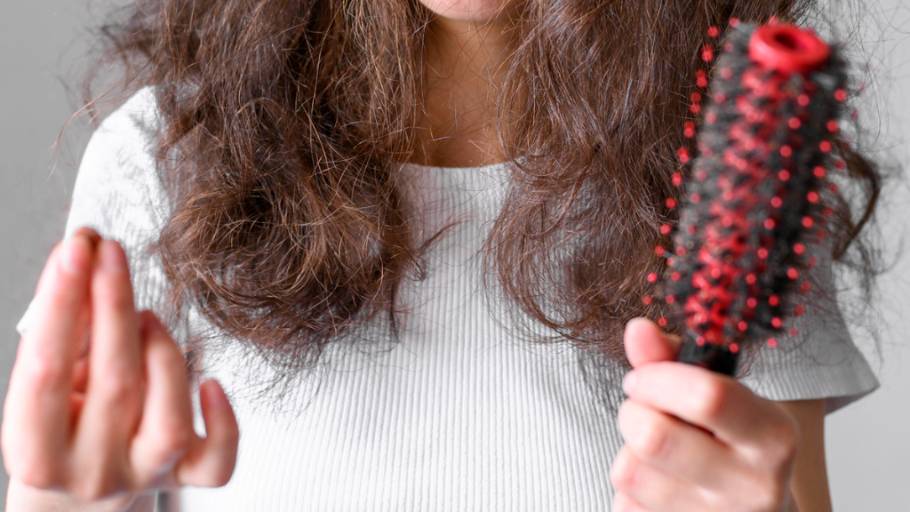
Causes of hair fall in girls is one of the most searched health topics online, and for good reason. About 33 percent of women experience hair loss at some point in their lives, and the process often begins much earlier than most people expect. Female pattern hair loss affects 2 to 3 percent of women by age 30, and by age 50 that figure rises to around 40 percent. Women with high stress levels are 11 times more likely to experience hair loss than those with lower stress levels according to research compiled in 2025.
Understanding the causes of hair fall in girls is the essential first step because the right treatment depends entirely on the right diagnosis. A cause that goes unidentified or misunderstood means months or years of ineffective remedies while the underlying problem continues.
This guide covers every major and minor cause of hair fall in girls based on current medical and dermatological research, with verified statistics and practical information about what each cause looks like and what can actually be done about it.
How Hair Growth Actually Works
Before examining the specific causes of hair fall in girls, it helps to understand the hair growth cycle because most causes of hair fall operate by disrupting this cycle rather than directly damaging hair itself.
Hair grows in three phases. The anagen phase is the active growth phase where hair grows roughly 6 inches per year. About 90 percent of the hair on your head is in this phase at any given time, and it can last between 2 and 8 years. The catagen phase is a short transitional phase lasting two to three weeks where growth stops. The telogen phase is the resting phase where the old hair is released and falls out as a new hair begins growing from the same follicle.
Losing 50 to 100 hairs per day is completely normal because this cycle is always happening across different follicles simultaneously. The causes of hair fall in girls become relevant when significantly more than 100 hairs per day are shed, or when hair that falls out is not replaced by new growth.
Understand the genetics behind thinning via the American Academy of Dermatology (AAD).
1. Androgenetic Alopecia: The Most Common of All Causes of Hair Fall in Girls
Female pattern baldness, medically known as androgenetic alopecia, is the single most common of all causes of hair fall in girls and women. Up to 50 percent of women will experience pattern hair loss at some point in their lives according to the National Library of Medicine. Unlike male pattern baldness which produces a receding hairline or bald patch, female androgenetic alopecia typically presents as a wider parting, general thinning across the top and crown of the head, and reduced overall hair volume rather than complete baldness.
Androgenetic alopecia is genetic, inherited from either parent, and involves hair follicles that are sensitive to dihydrotestosterone, a hormone derived from testosterone that causes follicles to gradually shrink and produce thinner, shorter hairs until they eventually stop producing hair altogether. Being one of the most predictable causes of hair fall in girls, androgenetic alopecia responds well to early treatment with minoxidil, which is FDA-approved for female hair loss, and other medical interventions under dermatological guidance.
2. Hormonal Imbalances
Hormonal changes are among the most significant causes of hair fall in girls across every age group. The connection between hormones and hair health is direct because estrogen and progesterone support the anagen growth phase while androgens can shorten it. Any condition that disrupts this hormonal balance can trigger significant hair shedding.
Polycystic Ovary Syndrome is one of the most common hormonal causes of hair fall in girls of reproductive age, affecting approximately 10 percent of women globally. PCOS produces elevated androgen levels that cause hair thinning on the scalp in a pattern similar to androgenetic alopecia while simultaneously causing excess hair growth on the face and body. Thyroid disorders, both hypothyroidism and hyperthyroidism, are significant causes of hair fall in girls because thyroid hormones directly regulate the hair growth cycle.
Pregnancy and the postpartum period represent another major hormonal cause of hair fall in girls. During pregnancy, elevated estrogen keeps more hair in the growth phase, producing thicker, fuller hair. After delivery, when estrogen drops sharply, large numbers of hairs shift to the telogen phase simultaneously, producing significant shedding typically beginning two to four months after birth.
3. Iron Deficiency and Nutritional Deficiencies
Nutritional deficiencies are among the most common and most easily correctable causes of hair fall in girls, particularly in Pakistan and other developing countries where dietary diversity is limited. Iron deficiency is the most significant of these. Iron is required for the production of hemoglobin, which carries oxygen to hair follicles. When iron levels are insufficient, follicles receive less oxygen and enter the resting phase prematurely, causing diffuse shedding across the entire scalp.
Iron deficiency is particularly prevalent among girls and young women of reproductive age because of monthly blood loss through menstruation. A ferritin level below 30 nanograms per milliliter is associated with hair loss in women even when hemoglobin levels remain within the normal range.
Other nutritional causes of hair fall in girls include vitamin D deficiency, vitamin B12 deficiency, zinc deficiency, and insufficient dietary protein. Hair is composed primarily of keratin protein, and inadequate protein intake deprives follicles of the building blocks they need to produce new hair. Research shows that dietary deficiencies including protein, iron, and vitamin B12 are among the most common nutritional causes of hair fall in girls that can be fully reversed through proper supplementation and dietary change.
4. Chronic Stress and Telogen Effluvium
Stress is one of the most powerful and most underestimated causes of hair fall in girls. Women with high stress levels are 11 times more likely to experience hair loss than those with lower stress according to 2025 research. The mechanism is a condition called telogen effluvium, in which a significant physical or emotional stressor pushes a large number of hair follicles out of the growth phase and into the resting phase simultaneously. The resulting shedding typically becomes noticeable two to three months after the triggering event, which is why many girls do not initially connect their hair loss to the stress that caused it.
Common triggers for stress-related causes of hair fall in girls include academic pressure, relationship difficulties, family problems, illness, surgery, significant weight loss, and crash dieting. Telogen effluvium is generally temporary and self-resolving once the underlying stressor is removed and nutritional status is adequate. However, chronic ongoing stress can produce chronic telogen effluvium that persists indefinitely until the stress is addressed.
5. Scalp Conditions
Scalp health problems are direct causes of hair fall in girls that are often overlooked because the focus tends to land on internal or hormonal factors. Dandruff and seborrheic dermatitis cause chronic scalp inflammation that damages hair follicles over time and produces a cycle of itching, scratching, and further follicle damage. Tinea capitis, a fungal infection of the scalp, is one of the causes of hair fall in girls that produces distinctive patchy hair loss with scalp scaling and is particularly common in younger girls.
Alopecia areata is an autoimmune condition in which the immune system mistakenly attacks hair follicles, producing patchy, sudden hair loss in circular areas anywhere on the scalp. It can affect girls of any age including children and teenagers, and while the exact triggers are not fully understood, stress and genetic predisposition are considered contributing factors. Scalp psoriasis produces thick silvery plaques on the scalp that can disrupt follicle function and cause localized hair thinning.
6. Poor Hair Care Practices and Traction Alopecia
Certain hair care habits are direct causes of hair fall in girls that are entirely within their control to change. Traction alopecia is hair loss caused by consistent pulling tension on the hair follicles from tight hairstyles including tight braids, high ponytails, tight buns, and hair extensions. Over time, the repeated tension damages follicles and can produce permanent hair loss in the areas of highest tension, most commonly along the hairline and temples.
Chemical damage from frequent dyeing, bleaching, perming, and chemical straightening weakens the hair shaft and causes breakage that can be mistaken for hair fall. Heat damage from regular use of flat irons, curling irons, and hair dryers at high temperatures similarly weakens the hair structure. Vigorous towel drying of wet hair, brushing wet hair aggressively, and using fine-tooth combs on tangled hair are all causes of hair fall in girls that lead to breakage rather than follicle-level shedding, but the result looks similar.
7. Medications and Medical Treatments
Medications are significant but often overlooked causes of hair fall in girls. Drug-induced hair loss can occur through two mechanisms. Anagen effluvium occurs when medications interfere with the growth phase directly, as happens with chemotherapy drugs that affect rapidly dividing cells including hair follicle cells. This type of hair loss is typically severe and rapid. Telogen effluvium caused by medications occurs more gradually and produces diffuse shedding two to four months after starting the causative drug.
Medications that are documented causes of hair fall in girls include birth control pills, particularly those with high androgen activity, blood pressure medications, antidepressants, antifungal medications, retinoids including isotretinoin used for acne, thyroid medications when doses are not properly calibrated, and anticoagulant blood thinners. Stopping these medications under medical guidance often reverses the hair loss, though recovery takes several months.
8. Autoimmune Conditions
Autoimmune diseases are important causes of hair fall in girls because they are relatively common in young women and often go undiagnosed for extended periods. Lupus is an autoimmune condition that causes hair loss both directly through scalp inflammation and indirectly through the medications used to treat it. Hashimoto’s thyroiditis and Graves’ disease, both autoimmune thyroid conditions, cause hair loss through their disruption of thyroid hormone levels.
Alopecia areata, mentioned under scalp conditions, is itself an autoimmune cause of hair fall in girls in which antibodies attack hair follicles. More severe forms include alopecia totalis, which involves complete scalp hair loss, and alopecia universalis, which involves loss of all body hair. These conditions require specialized dermatological or immunological treatment and do not respond to standard hair loss remedies.
9. Crash Dieting and Extreme Weight Loss
Crash dieting and extreme caloric restriction are significant causes of hair fall in girls that are increasingly common given diet culture pressures. When caloric intake drops severely, the body prioritizes essential functions and diverts resources away from hair growth, which it considers non-essential. The resulting telogen effluvium typically becomes apparent two to three months after the period of severe restriction.
Eating disorders including anorexia nervosa and bulimia nervosa are therefore serious causes of hair fall in girls because they combine severe caloric restriction with specific nutritional deficiencies in protein, iron, zinc, and vitamins that collectively devastate hair follicle health. Recovery of hair growth following nutritional restoration can take 6 to 12 months even after adequate nutrition is reestablished.
10. Environmental and Pollution Factors
Environmental factors are increasingly recognized as causes of hair fall in girls in 2026 as research into the effects of pollution on hair health accumulates. Air pollution particles including polycyclic aromatic hydrocarbons have been shown to reduce the protein levels in scalp cells that are essential for hair growth. Hard water containing high levels of calcium and magnesium deposits mineral buildup on the scalp and hair shaft that disrupts follicle function over time.
UV radiation from sun exposure damages hair protein and weakens the hair shaft, contributing to increased breakage. Girls living in heavily polluted urban environments show higher rates of certain causes of hair fall compared to those in cleaner environments, though the relative contribution of pollution versus other urban factors such as stress and diet is still being studied.
Quick Reference: Causes of Hair Fall in Girls
| Cause | How Common | Key Signs | Reversible |
|---|---|---|---|
| Androgenetic alopecia | Very common (50% of women) | Widening part, overall thinning | Partially with treatment |
| Hormonal imbalance (PCOS, thyroid) | Common | Diffuse shedding, irregular periods | Yes with treatment |
| Iron and nutritional deficiency | Very common | Diffuse shedding, fatigue | Yes with supplementation |
| Chronic stress (telogen effluvium) | Very common | Diffuse shedding 2 to 3 months after stress | Yes once stress is resolved |
| Scalp conditions | Common | Itching, scaling, patchy loss | Usually yes with treatment |
| Traction alopecia | Common | Hairline recession, temple thinning | Early stages yes, late stages no |
| Medication side effects | Moderate | Diffuse shedding after starting medication | Usually yes after stopping medication |
| Autoimmune conditions | Less common | Patchy sudden loss | Partially with treatment |
| Crash dieting | Common in young women | Diffuse shedding after weight loss | Yes after nutritional restoration |
| Environmental factors | Increasing | Gradual diffuse thinning | Partially |
When to See a Doctor
Understanding the causes of hair fall in girls helps determine when home remedies and lifestyle changes are sufficient and when professional evaluation is needed. A dermatologist consultation is warranted when hair loss is sudden or rapid, when patchy bald spots are visible, when the scalp is inflamed, itchy, or scaling, when hair loss is accompanied by other symptoms such as fatigue, irregular periods, or unexpected weight changes, or when hair loss has been progressive for more than three months without any identifiable cause.
Blood tests that are typically recommended when investigating causes of hair fall in girls include complete blood count, serum ferritin, thyroid function tests, vitamin D levels, vitamin B12, zinc, and in cases of suspected PCOS, androgen hormone panels. These tests help identify the specific nutritional or hormonal cause so that treatment can be directed accurately rather than applied broadly.
What Actually Helps
Knowing the causes of hair fall in girls is only useful when paired with appropriate responses. Iron supplementation under medical supervision corrects iron deficiency hair loss. Topical minoxidil 2 percent is FDA-approved for female pattern hair loss and is the most evidence-backed topical treatment available. Addressing thyroid disorders through proper medication stabilizes hair loss within months. Managing stress through exercise, sleep, and professional support resolves stress-induced telogen effluvium. Switching to gentler hair care practices and avoiding tight hairstyles stops traction alopecia from progressing. Eating adequate protein and calories prevents nutritional hair loss.
No single remedy works for all causes of hair fall in girls because different causes require completely different responses. The most important step any girl or woman can take is identifying which specific cause applies to her situation, ideally with professional guidance, before beginning any treatment.
The Bottom Line
The causes of hair fall in girls range from genetic and hormonal to nutritional, stress-related, environmental, and behavioral. Half of all women experience significant hair loss at some point in their lives and the process often begins in the twenties or thirties, well before most people expect it. The causes of hair fall in girls are largely treatable or manageable when identified correctly and early.
Iron deficiency, hormonal imbalances, stress, scalp conditions, and poor hair care practices are among the most common causes and all of them respond meaningfully to appropriate intervention. Understanding what is actually driving hair loss removes the guesswork, saves money spent on ineffective products, and points directly toward the treatments and lifestyle changes that actually work.
Healthy Pakistani Breakfast Ideas: The Complete Guide to Starting Your Day Right in 2026


Comments