




Iran Closes Strait of Hormuz Again: What It Means for Oil, Ships and the World
Iran closes Strait of Hormuz again in a dramatic reversal that has sent shockwaves through global energy markets. Iran’s central military command announced on Saturday that it would resume strict management of the Strait of Hormuz. This came just one day after Iran had reopened the vital waterway as part of ceasefire negotiations with Washington.
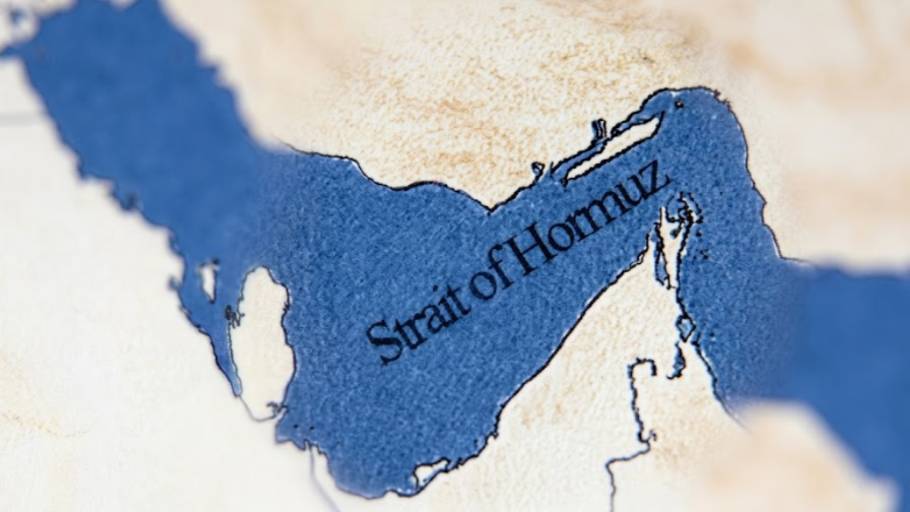
Iran closes Strait of Hormuz again in a dramatic reversal that has sent shockwaves through global energy markets.
Iran’s central military command announced on Saturday that it would resume strict management of the Strait of Hormuz.
This came just one day after Iran had reopened the vital waterway as part of ceasefire negotiations with Washington.
The reversal caught the world off guard and immediately raised fears of an oil price spike and a breakdown in peace talks.
Why Iran Closes Strait of Hormuz Again
The reason Iran closes Strait of Hormuz again comes down to one thing. The United States naval blockade.
Iran’s military headquarters said Washington had broken a promise by continuing its naval blockade of ships sailing to and from Iranian ports.
In a statement broadcast on Iranian state television, the military command said that until the United States restores freedom of movement for all vessels visiting Iran, the situation in the Strait of Hormuz will remain strictly controlled.
Iran felt it had made a gesture of goodwill by reopening the strait as part of ceasefire talks.
When the US blockade continued despite that gesture, Tehran decided it had no choice but to reverse course.
What Trump Said About the Blockade
The news that Iran closes Strait of Hormuz again came directly after comments made by President Donald Trump late on Friday.
Trump told reporters aboard Air Force One that he planned to maintain the US naval blockade of Iranian ports even if a peace deal is not reached.
When asked whether the ceasefire would be extended beyond its Wednesday expiration date, Trump said maybe he would not extend it.
“Maybe I won’t extend it, but the blockade is going to remain,” Trump said.
Those words from Trump gave Iran the justification it needed to announce that it would reimpose strict control over the Strait of Hormuz.
Tehran had threatened to close the waterway again if the US blockade continued, and Trump’s comments made it clear the blockade was not going anywhere.
What Is the Strait of Hormuz and Why Does It Matter
To fully understand why it matters that Iran closes Strait of Hormuz again, it is important to understand just how critical this waterway is to the global economy.
The Strait of Hormuz is a narrow channel of water located between Iran and Oman at the mouth of the Persian Gulf.
It is one of the most important oil shipping lanes in the entire world.
Approximately 20 percent of the world’s total oil supply passes through this narrow waterway every single day.
That includes oil from Saudi Arabia, the UAE, Kuwait, Iraq, and Qatar, all of which must pass through the Strait of Hormuz to reach buyers in Asia, Europe, and beyond.
When Iran closes Strait of Hormuz again, it does not just affect Iran and the United States. It affects every country that depends on Gulf oil to power its economy.
Higher oil prices, higher fuel costs, and higher prices for goods and services across the world are all direct consequences of a closed Strait of Hormuz.
Official Source: For live maritime tracking and official notices to mariners, visit the International Maritime Organization (IMO) Safety Alerts.
What Happened to Ships in the Strait
The moment news broke that Iran closes Strait of Hormuz again, maritime tracking websites showed dramatic and immediate reactions from ships in the region.
Several ships were seen making a dash through the narrow waterway, hugging close to Iranian territorial waters as instructed by Tehran.
Some ships were broadcasting their identity as Indian or Chinese vessels in an apparent attempt to signal their neutrality and avoid being stopped.
Late on Friday, before the official announcement, a number of ships had begun heading toward the strait before suddenly turning back amid growing uncertainty about what was happening.
By 0900 GMT on Saturday, several ships had fully transited the strait in both directions.
However, at least two tankers headed eastward from the Gulf toward India after loading in UAE ports appeared to have turned around and aborted their journeys entirely.
The chaos in shipping lanes is a direct result of the uncertainty created every time Iran closes Strait of Hormuz again.
The Ceasefire Timeline
Understanding the ceasefire timeline helps explain why Iran closes Strait of Hormuz again at this particular moment.
Iran and the United States had been engaged in ceasefire negotiations following weeks of military conflict.
As part of those talks, Iran reopened the Strait of Hormuz on Friday following a ceasefire deal between Israel and Lebanon.
Tehran had warned even at that point that it would close the waterway again if the US blockade of Iranian ports continued.
The current US-Iran ceasefire is due to expire on Wednesday.
Trump has said he may not extend it, and the blockade will remain regardless.
That position from Washington made it almost inevitable that Iran closes Strait of Hormuz again before any permanent deal was reached.
Read More: The outcome of this standoff depends heavily on the high-stakes diplomacy happening in Pakistan. Read our full report on will Trump visit Pakistan for Iran peace deal.
Impact on Global Oil Markets
Every time Iran closes Strait of Hormuz again, global oil markets react immediately and dramatically.
Oil prices had already risen above $90 a barrel due to the ongoing conflict and shipping disruptions.
The renewed closure of the strait is expected to push prices even higher in the coming days.
Higher oil prices mean higher fuel costs for ordinary consumers in America, Europe, and Asia.
They also mean higher costs for transporting goods, which feeds through into higher prices for almost everything people buy.
The economic consequences of a prolonged closure of the Strait of Hormuz are severe and far-reaching.
Every day that Iran closes Strait of Hormuz again costs the global economy billions of dollars in disrupted trade and elevated energy costs.
India and China React
Two countries that are watching very closely every time Iran closes Strait of Hormuz again are India and China.
Both countries are major importers of Gulf oil and rely heavily on the Strait of Hormuz for their energy supplies.
The fact that ships were broadcasting Indian and Chinese identities as they transited the strait shows how seriously both countries take any disruption to this vital waterway.
India and China have both maintained relationships with Iran and have been careful not to take sides openly in the US-Iran conflict.
Their primary concern is keeping oil flowing and keeping their economies running.
Any prolonged period where Iran closes Strait of Hormuz again puts enormous pressure on both countries to find alternative energy supplies or pay significantly higher prices on the global market.
What Comes Next
The situation remains highly unstable following the news that Iran closes Strait of Hormuz again.
The US-Iran ceasefire expires on Wednesday and Trump has said he may not extend it.
If no deal is reached before Wednesday, full-scale hostilities could resume between the United States and Iran.
Peace talks are continuing with Pakistan playing a key role as a neutral host for negotiations in Islamabad.
Trump has said that Iran has agreed to almost everything in the negotiations but key sticking points remain.
The US blockade of Iranian ports is clearly one of the biggest obstacles to reaching a final agreement.
Until that issue is resolved, the risk that Iran closes Strait of Hormuz again will remain a constant threat hanging over global energy markets.
Final Thoughts on Iran Closes Strait of Hormuz Again
The news that Iran closes Strait of Hormuz again is a stark reminder of how fragile the current peace process is.
One day of progress can be followed immediately by a major setback.
The stakes could not be higher. The Strait of Hormuz is the single most important oil shipping lane in the world.
Every day it remains closed or under threat of closure adds pressure to the global economy and increases the urgency of reaching a lasting peace deal between Washington and Tehran.
The world is watching the negotiations closely and hoping that Iran closes Strait of Hormuz again for the last time and that a permanent reopening is just days away.
For ordinary people around the world who pay for fuel, food, and goods that depend on global shipping, a swift and lasting resolution cannot come soon enough.

Comments