




Trump Extends Russian Oil Sanctions Waiver
Trump extends Russian oil sanctions waiver in a surprise policy reversal that has caught markets and analysts off guard. The Trump administration issued a month-long sanctions waiver on Friday allowing the continued sale of Russian oil and petroleum products that are currently at sea.
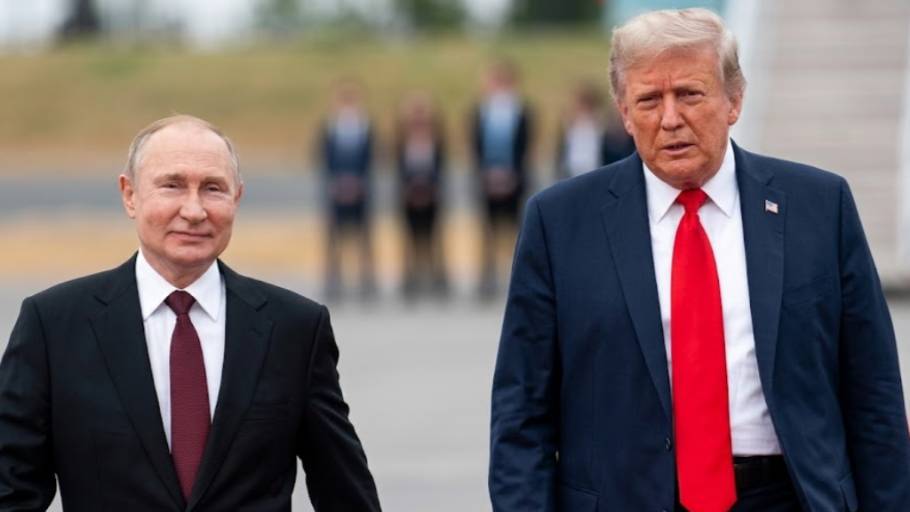
Trump extends Russian oil sanctions waiver in a surprise policy reversal that has caught markets and analysts off guard.
The Trump administration issued a month-long sanctions waiver on Friday allowing the continued sale of Russian oil and petroleum products that are currently at sea.
This came just two days after Treasury Secretary Scott Bessent had told reporters that Washington would not be renewing the waiver.
The sudden reversal signals just how serious the energy price crisis has become for the United States and the global economy.
What Exactly Happened
Trump extends Russian oil sanctions waiver through a license issued by the US Treasury Department on Friday.
The license allows for the purchase of oil and petroleum products that have been loaded onto any vessel as of Friday.
The waiver runs through 12:01 am on May 16, 2026, giving buyers approximately one month to complete transactions involving Russian oil currently at sea.
This prolongs an earlier easing of sanctions that had expired on April 11.
The move came as a direct surprise because just 48 hours earlier Treasury Secretary Scott Bessent had explicitly told reporters that the United States would not extend the waiver for Russian oil or Iranian oil.
The fact that Trump extends Russian oil sanctions waiver despite that public statement shows how rapidly the energy situation is changing and how much pressure the administration is under to bring prices down.
Why Trump Extends Russian Oil Sanctions Waiver
To understand why Trump extends Russian oil sanctions waiver, you have to look at what has been happening in global energy markets over the past several weeks.
The US-Israeli war against Iran triggered a massive disruption to global oil supplies.
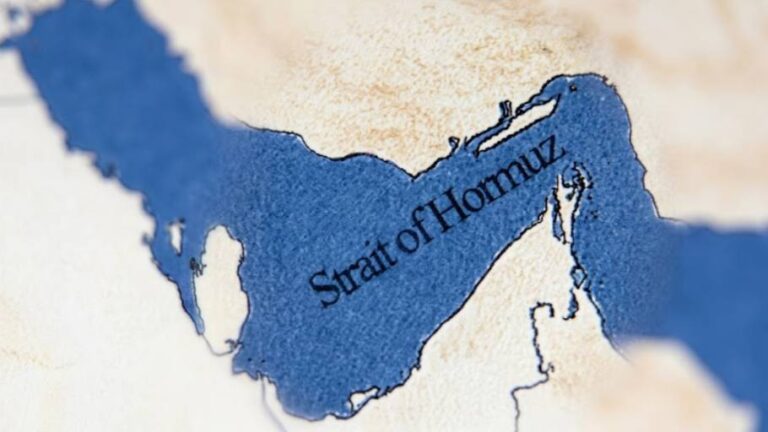
Iran retaliated against the conflict by effectively closing off the Strait of Hormuz, one of the most critical energy shipping lanes in the world.
Approximately 20 percent of the world’s daily oil supply passes through the Strait of Hormuz.
When Iran closed it, global oil prices surged immediately and dramatically.
US gasoline prices jumped as well, putting serious financial pressure on American households ahead of key midterm elections later this year.
With energy prices already elevated due to the Iran situation, losing access to Russian oil as well would have pushed prices even higher.
That is the core reason Trump extends Russian oil sanctions waiver at this moment.
Read More: The energy crisis is deeply intertwined with the ongoing naval standoff in the Gulf. Read the latest on why Iran closes Strait of Hormuz again despite recent peace talks.
The Bessent Reversal
One of the most striking aspects of the news that Trump extends Russian oil sanctions waiver is how directly it contradicts what Treasury Secretary Scott Bessent said just two days earlier.
On Wednesday, Bessent told reporters clearly and publicly that the United States would not make an extension for Russian oil or Iranian oil.
That statement was interpreted by markets and analysts as a firm and final position.
Then on Friday, the Treasury Department issued the exact waiver that Bessent had said would not happen.
This kind of public reversal within 48 hours is unusual and reflects the intense behind-the-scenes pressure that energy prices are creating for the Trump administration.
The decision that Trump extends Russian oil sanctions waiver overriding his own Treasury Secretary’s public statement shows that energy prices have become the number one domestic political concern for the White House right now.
Impact on US Gasoline Prices
A key reason Trump extends Russian oil sanctions waiver is the direct impact that energy prices are having on ordinary American consumers.
US gasoline prices have been rising steadily since the Iran conflict began and the Strait of Hormuz was closed.
Higher gasoline prices affect everyone. They make it more expensive to drive to work, to transport goods, and to heat homes.
They also feed through into higher prices for almost everything Americans buy, from groceries to clothing to electronics.
With November’s midterm elections approaching, high gasoline prices are a serious political liability for Republicans.
Five Republican strategists have already warned that the party has lost control of the affordability debate.
Trump’s approval rating has fallen to 36 percent, a low point in his second term.
By choosing to extend the waiver, the Trump administration is hoping to bring at least some relief to energy markets and ease the pressure on American household budgets before voters go to the polls.
The Russia-Ukraine Complication
While the decision that Trump extends Russian oil sanctions waiver may help with energy prices, it creates a serious problem in another area.
Any waiver that allows Russian oil sales means that Russia continues to earn revenue from its energy exports.
That revenue helps fund Russia’s ongoing war against Ukraine.
The concern is that easing sanctions on Russian oil, even temporarily, effectively helps Moscow pay for its military operations.
This week, after a meeting of Group of Seven finance leaders in Washington, French Finance Minister Roland Lescure addressed this directly.
He stressed that Russia must not be getting benefits from what is happening in Iran.
He also said that Ukraine should not be collateral damage from decisions made to manage the Iran energy crisis.
These are serious concerns that put the Trump administration in a difficult position.
Every time Trump extends Russian oil sanctions waiver, it potentially undermines the broader international effort to pressure Russia over Ukraine.
What the Waiver Actually Covers
It is important to understand exactly what is covered now that Trump extends Russian oil sanctions waiver.
The waiver applies specifically to Russian oil and petroleum products that have already been loaded onto vessels as of Friday April 18, 2026.
It does not open up unlimited new purchases of Russian oil going forward.
It simply allows transactions involving oil that is already at sea to be completed without triggering US sanctions.
The waiver expires at 12:01 am on May 16, 2026.
After that date, unless another extension is issued, normal sanctions rules will apply again.
This limited and time-bound nature of the waiver reflects the administration’s attempt to balance energy price relief with the political costs of being seen as too soft on Russia.
Global Reaction to the Waiver
The news that Trump extends Russian oil sanctions waiver has drawn mixed reactions from around the world.
Energy markets responded positively, with oil prices easing slightly on the news that more supply would remain available.
European allies, particularly France, have expressed concern about the implications for Russia’s war chest and for Ukraine.
Ukraine itself will be watching closely to see whether this becomes a pattern of repeated extensions that effectively normalize Russian oil sales despite the broader sanctions regime.
Russia has unsurprisingly welcomed any move that allows its oil to continue flowing to international buyers.
The G7 finance ministers meeting in Washington this week reflected the tension between managing the Iran energy crisis and maintaining pressure on Russia over Ukraine.
Official Data: For a detailed breakdown of the Treasury’s general license and its impact on global crude supply, visit the official U.S. Department of the Treasury (OFAC) Recent Actions
What Comes Next
The decision that Trump extends Russian oil sanctions waiver raises the obvious question of what happens when this new waiver expires on May 16.
If the Iran situation has not been resolved and the Strait of Hormuz remains closed or under threat, the same energy price pressures will still be present.
That could push the administration toward yet another extension, further complicating the Russia-Ukraine situation.
If a deal with Iran is reached and oil prices begin to fall, the administration may feel comfortable letting the waiver expire without renewal.
Much depends on the progress of peace negotiations currently taking place in Islamabad between American and Iranian officials.
Trump has said he believes a deal is close and that Iran has agreed to almost everything.
If that deal materializes before May 16, the need for Trump extends Russian oil sanctions waiver again may disappear.
If it does not, the administration will face the same difficult choice all over again.
Final Thoughts on Trump Extends Russian Oil Sanctions Waiver
The decision that Trump extends Russian oil sanctions waiver is a clear sign of how seriously the administration is taking the energy price crisis.
It is also a sign of how complex and interconnected global energy markets, military conflicts, and domestic politics have become.
Easing pressure on Russian oil to manage the Iran crisis while trying to maintain support for Ukraine is a genuinely difficult balancing act.
American consumers want lower gas prices. European allies want Russia held accountable. Ukraine wants its supporters to stay firm.
Trump extends Russian oil sanctions waiver satisfies some of those demands while creating complications for others.
The next few weeks will be critical in determining whether this was a smart short-term move or a decision that creates larger problems down the road.


Comments