




Why Is the US Dollar So Strong
Why is the US dollar so strong is a question that comes up whenever the dollar moves significantly against other currencies, but the underlying reasons stay largely the same year after year. The dollar isn’t just America’s currency.
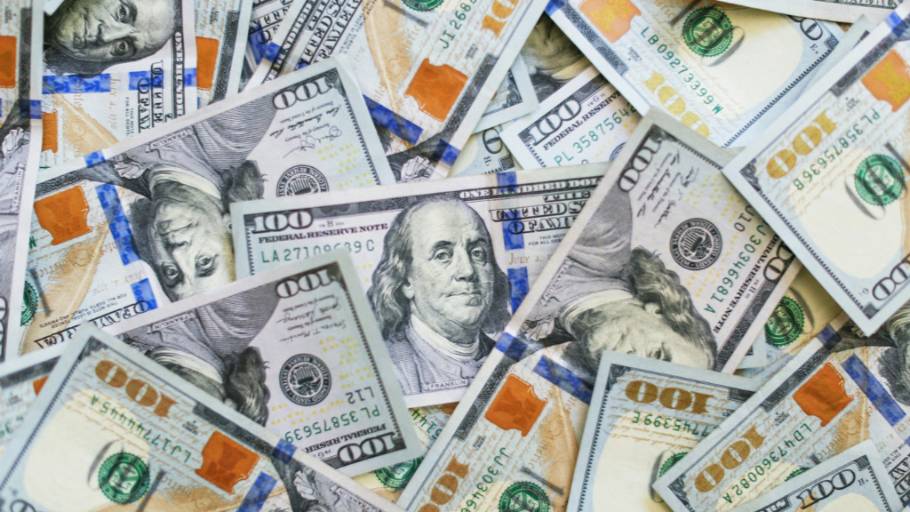
Why is the US dollar so strong is a question that comes up whenever the dollar moves significantly against other currencies, but the underlying reasons stay largely the same year after year. The dollar isn’t just America’s currency. It’s the currency the global economy actually runs on, and understanding why explains a lot about how international finance and geopolitics actually work in 2026.
This guide on why is the US dollar so strong covers the structural reasons behind dollar dominance, what threatens that dominance, and why despite recent volatility, no other currency comes close to replacing the dollar’s global role.
The Short Answer Most People Get Wrong
When people ask why is the US dollar so strong, common answers focus on US economic performance in a given year, trade surpluses, or America’s military power. Those factors matter but they’re not the core explanation.
The dollar is strong because of structural advantages built up over 80 years that are genuinely difficult for any other currency to challenge. Some advantages are economic. Some are institutional. Some are pure inertia at a scale where changing direction would require the entire world to coordinate movement together.
The dollar can weaken against other currencies in any given year (as it did 9-11% in 2025) without losing its underlying structural position. Year-to-year movements happen at the surface. The fundamental reasons remain in place beneath.
Reserve Currency Status
The single most important reason why is the US dollar so strong is reserve currency status. Central banks worldwide hold foreign currency reserves to stabilize their own economies, pay international debts, and manage exchange rates.
As of 2025-2026, the US dollar represents approximately 58% of all global foreign exchange reserves. The euro comes second at around 20%. The British pound, Japanese yen, and Chinese yuan each represent roughly 2-5%. The remaining percentage spreads across various smaller currencies.
The self-reinforcing cycle works simply: countries hold dollars because the dollar is trusted. The dollar is trusted because countries hold it. The demand for dollars is built into global financial architecture at every level. Even when the dollar weakens, it remains the dominant reserve currency by a substantial margin.
This reserve status got established after World War Two through the Bretton Woods Agreement (1944) which pegged major world currencies to the US dollar. Even after the formal Bretton Woods system collapsed in 1971, the dollar’s reserve role continued because it had become embedded in global financial systems.
The Petrodollar System
Another major reason why is the US dollar so strong is the petrodollar arrangement that emerged in the 1970s. Oil is priced and traded in US dollars globally. When Japan buys oil from Saudi Arabia, the transaction happens in dollars. When India imports oil from the UAE, dollars again. When essentially any country imports energy, they need to hold dollars to conduct the trade.
This arrangement formalized after Nixon ended the gold standard in 1971. Rather than backing the dollar with gold, the US secured agreements with major oil producers, particularly Saudi Arabia, to price oil exclusively in dollars. In exchange, the US provided security guarantees and arms to those producers.
The arrangement creates enormous and constant dollar demand. Every country needs energy. Energy gets priced in dollars. Therefore every country needs dollars to function economically.
Recent years have seen some erosion at the edges. Russia, Iran, and increasingly China have experimented with non-dollar oil trades. Saudi Arabia has discussed accepting yuan for some Chinese oil purchases. These changes are real but limited in scale. The petrodollar system remains largely intact in 2026.
American Economic Size and Market Depth
Why is the US dollar so strong also connects to basic American economic size. The US GDP is approximately $28-29 trillion as of 2026, making it still the world’s largest single economy.
More importantly than size is the depth and liquidity of American financial markets. The US Treasury market handles trillions of dollars in daily trading volume. The US stock market represents about 50% of global stock market capitalization. American corporate bond markets dominate global debt issuance.
This depth means anyone needing to move large amounts of money globally can do so in dollars more efficiently than any other currency. The euro is large but European government bond markets remain fragmented across 20 countries. The Chinese yuan is restricted by capital controls preventing free movement. The Japanese yen and British pound are too small for genuine global alternative status.
The dollar wins by default partly because the alternatives don’t function the same way at the same scale. This structural advantage in market depth is harder to replicate than people often realize.
The Federal Reserve and Interest Rates
Why is the US dollar so strong in any given quarter often depends directly on what the Federal Reserve is doing with interest rates. When American rates exceed rates in other major economies, global investors move money into dollar-denominated assets to capture higher returns.
In 2026, the Federal Reserve maintains its rate at approximately 3.50-3.75% while the European Central Bank sits at 2.15%, the Bank of England at 3.75%, the Bank of Japan at 0.75%, and the People’s Bank of China at 3.00%. The yield differential favoring dollar assets creates ongoing demand.
This is why the dollar tends to strengthen when the Fed raises rates and weaken when the Fed cuts them. It also explains why the dollar can stay strong even when the American economy shows signs of strain – as long as American rates exceed alternatives, global capital keeps flowing in.
The relationship works in both directions. If the Fed cuts rates faster than other central banks, the dollar weakens. If foreign central banks raise rates faster than the Fed, the dollar weakens. The yield differential matters more than absolute economic performance in many cases.
Official Source: For the latest quarterly data on global currency holdings, visit the official IMF Currency Composition of Official Foreign Exchange Reserves (COFER) or track live Fed policy updates on the Federal Reserve Board Newswire.
Safe Haven Status
A consistent pattern in why is the US dollar so strong appears during global crises. When something goes wrong in the world – financial crisis, geopolitical shock, pandemic – investors typically move money into dollars regardless of how the American economy itself is performing.
This safe haven behavior showed clearly during COVID. As the pandemic began in early 2020, the dollar surged as investors scrambled for safety even though America was suffering significantly from COVID itself. The same pattern repeats during banking crises (2008-2009), military conflicts, and political instability anywhere in the world.
The dollar paradox: global problems can actually strengthen the very currency most associated with global financial stability. People want safety, the dollar represents safety, demand for dollars increases, dollar gets stronger.
This pattern provides resilience that’s difficult for newer currencies to develop. Trust as a safe haven requires decades of demonstrated reliability. The euro has tried to build this status but European debt crises (particularly 2010-2012 sovereign debt crisis) damaged that effort. The yuan can’t develop safe haven status under capital controls.
Technology and AI Investment Flows
A newer factor in why is the US dollar so strong is the massive flow of global capital into American technology and AI companies through the 2020s.
When European pension funds buy shares of NVIDIA, Microsoft, Google, or Apple, they need dollars to do so. When Middle Eastern sovereign wealth funds invest in American AI infrastructure or technology startups, dollars again. When Asian institutional investors buy positions in OpenAI, Anthropic, or other AI ventures, the transactions happen in dollars.
American technology dominance has accelerated through the AI boom. Major AI development happens primarily through American companies and infrastructure. Global investors wanting exposure to the most economically transformative trend of the era essentially have to come through American markets.
This creates sustained structural dollar demand that sits on top of traditional reserve currency, oil trade, and safe haven demand. The AI investment flows have actually intensified dollar demand compared to earlier eras.
SWIFT and Payment Infrastructure
Beyond just the currency itself, why is the US dollar so strong includes the payment infrastructure built around it. SWIFT (Society for Worldwide Interbank Financial Telecommunication) handles most international payments, and while SWIFT is technically Belgian-based, American influence over it is substantial.
Banks worldwide use the dollar-based payment system to settle international transactions. American sanctions effectively work because cutting countries off from dollar-denominated transactions cuts them off from international finance broadly.
China has built CIPS (Cross-Border Interbank Payment System) as an alternative but its scale remains tiny compared to SWIFT. Russia attempted SPFS development but again at limited scale. These alternatives exist but haven’t achieved the network effects that dollar-based infrastructure provides.
What Threatens Dollar Strength
Understanding why is the US dollar so strong requires understanding the genuine threats to that position.
Declining reserve share: The dollar’s share of global reserves has gradually declined from approximately 65% two decades ago to around 58% in 2026. Not a collapse, but a slow erosion as central banks diversify modestly into euros, gold, and other assets.
US debt levels: Federal debt exceeds $35 trillion in 2026. Government debt-to-GDP ratios well above 100%. Sustainable in short-medium term but concerning for long-term reserve managers.
Political uncertainty: Recent political polarization, debt ceiling crises, and policy unpredictability under various administrations make some reserve managers cautious.
BRICS efforts: The BRICS+ expansion includes major economies (Brazil, Russia, India, China, South Africa, plus newer additions) developing some non-dollar trade arrangements.
Sanctions weaponization: American use of dollar-based sanctions has motivated other countries to develop dollar alternatives.
Digital currencies: Central Bank Digital Currencies (CBDCs) being developed by China and others could eventually challenge dollar-based payment infrastructure.
Bitcoin and crypto: Some countries have explored Bitcoin reserves. Currently small scale but growing.
De-dollarization trends: Various countries actively reduce dollar holdings. Russia, China, and Saudi Arabia have made notable moves.
The dollar fell 9-11% in 2025, its worst year in over 50 years, driven by combinations of these factors plus specific 2025 events.
The Bottom Line
Why is the US dollar so strong comes down to history, trust, and absence of credible alternatives that match what the dollar offers. Deep liquid markets, stable institutions, reserve currency infrastructure built over 80 years, energy pricing dominated by dollars, backing of the world’s largest economy, and the world’s most powerful military.
Other currencies chip away at the edges. The euro exists at 20% of reserves. The yuan grows in specific corridors. Gold attracts some diversification. But building genuine global trust that makes a currency the foundation of international trade takes generations, and no current alternative is close to matching what the dollar built during the second half of the 20th century.
For 2026, the dollar remains dominant. The 2025 weakness was significant but didn’t change underlying structural factors. Whenever the world gets nervous, when oil changes hands, when central banks need safe reserves, when global companies price cross-border contracts, the answer is usually still the same currency.
What This Means for Other Countries
Why is the US dollar so strong has direct consequences for countries dependent on dollar-denominated imports and debt.
For oil-importing countries, dollar strength means higher local currency costs for energy. Pakistan, India, Bangladesh, Sri Lanka, and many other countries face import cost pressures when the dollar strengthens.
For countries with dollar-denominated debt, dollar strength makes debt service more expensive in local currency terms. African and Asian countries with significant external debt face this challenge regularly.
For emerging market currencies, dollar strength typically correlates with capital outflows from emerging markets back to dollar assets, weakening emerging market currencies further and creating cycles of currency depreciation.
For exporters to America, dollar strength benefits them since their goods become cheaper in dollar terms. For importers from America, dollar strength means more expensive imports.
The dollar isn’t just an American issue. It’s a global economic factor affecting countries worldwide every day through trade, debt, and capital flows.
Final Thoughts
Why is the US dollar so strong has answers that operate at multiple levels simultaneously. The economic level (largest economy, deepest markets, highest yields among major economies in 2026). The institutional level (reserve currency status, SWIFT infrastructure, IMF and World Bank centrality). The geopolitical level (security guarantees that come with dollar partnership, sanctions tools that make dollar access valuable). The historical level (80 years of accumulated trust and infrastructure).
These factors reinforce each other. Strong economy supports market depth. Market depth attracts reserves. Reserve status increases trust. Trust attracts safe haven flows during crises. Crisis flows reinforce reserve status. The cycle continues across decades.
For investors, businesses, and governments understanding why is the US dollar so strong matters because dollar movements affect everything from corporate earnings to government budgets to consumer prices worldwide. The dollar’s behavior in any given period is influenced by short-term factors, but the structural reasons for dollar dominance remain in place and will likely continue for the foreseeable future.
That doesn’t mean forever. Currencies have come and gone throughout history. The pound was once the world’s reserve currency. Empires fall. Financial systems change. But the dollar’s position is strong enough that any significant change would require either deliberate American policy mistakes or the emergence of genuine alternatives that don’t currently exist at the necessary scale.
Until that changes, why is the US dollar so strong has answers that remain relatively consistent year after year despite all the temporary volatility that fills financial news headlines.
Read More: While the dollar dominates finance, Singapore’s model shows how a nation can dominate through human capital. Read our deep dive on why Singapore education system is successful.


Comments