




Singapore Travel Guide 2026: Visa, Attractions, Food & Budget
Singapore consistently ranks as one of the easiest and most rewarding destinations in Asia for first-time visitors. The country is small enough to explore meaningfully in 4-5 days, safe enough that solo travelers and families feel comfortable everywhere, and developed enough that nothing about the practical logistics turns into a headache. English works everywhere.
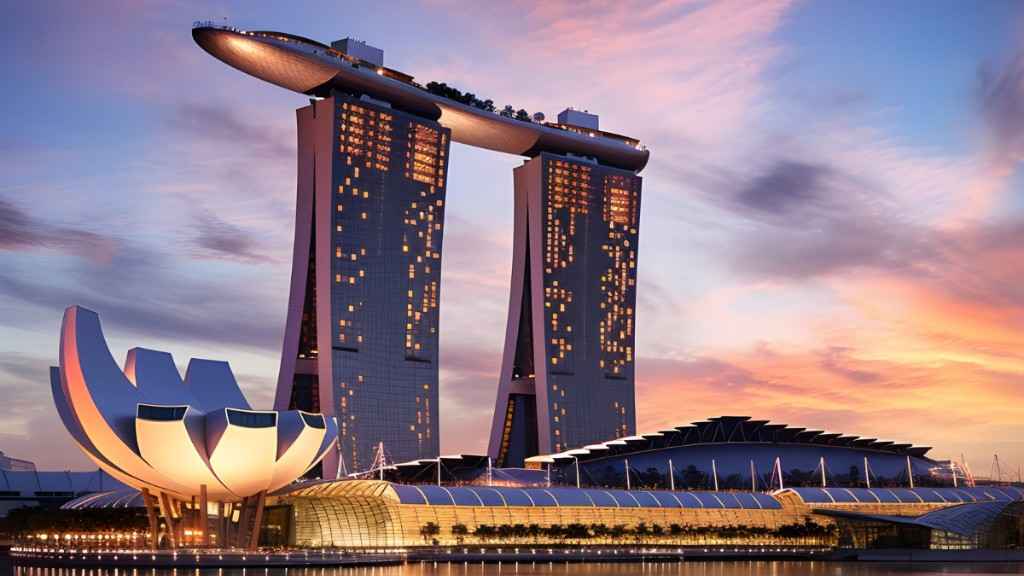
Singapore consistently ranks as one of the easiest and most rewarding destinations in Asia for first-time visitors. The country is small enough to explore meaningfully in 4-5 days, safe enough that solo travelers and families feel comfortable everywhere, and developed enough that nothing about the practical logistics turns into a headache. English works everywhere. Public transport is among the world’s best. The food scene is genuinely world-class despite the small territory. The infrastructure makes everything function.
This Singapore travel guide covers what 2026 visitors actually need to know including visa requirements that vary significantly by nationality, the attractions worth your time versus skipping, food experiences that define a Singapore trip, accommodation across budget ranges, and the realistic costs of a Singapore visit at current prices.
What makes Singapore particularly interesting for 2026 are several major new attractions launching this year including Super Nintendo World at Universal Studios, the refreshed Singapore Oceanarium, expanded Mandai wildlife experiences, and Disney Cruise Line launching new routes from Singapore. The country has positioned itself to compete with major Asian tourism destinations through serious investment in new experiences.
About Singapore
Singapore is a tiny island nation in Southeast Asia, just south of Malaysia, covering only 728 square kilometers. Despite the small size, it ranks among the world’s wealthiest countries with one of the highest GDP per capita globally.
The country has four official languages: English, Mandarin, Malay, and Tamil. English is used everywhere from government documents to street signs to restaurant menus, making communication essentially never a problem for tourists. This linguistic accessibility is one reason Singapore works so well as a first Asia destination for Western travelers.
Singapore is one of the greenest cities on earth despite its dense urban character. Over 50 percent of land area is covered by parks, gardens, and nature reserves through deliberate government policy. The integration of greenery into urban spaces creates an unusual experience of being in a major city that still feels connected to tropical nature.
Best Time to Visit Singapore
Singapore’s tropical climate means temperatures stay between 25-32°C year-round with high humidity throughout. The differences between seasons relate more to rainfall than temperature.
Best months: February to April typically provide the driest weather with lowest rainfall and most reliable sunshine. This is also the peak tourist season.
Months to avoid if possible: November to January represents the monsoon season with heavy rains, though showers are usually brief afternoon thunderstorms rather than all-day downpours. Travel is still possible just requires umbrella preparation.
Festival timing considerations: Chinese New Year falls in January or February depending on lunar calendar, bringing decorations, special foods, and some closures. Deepavali in October or November brings colorful celebrations in Little India. Hari Raya celebrations create special atmospheres in Kampong Glam. Singapore F1 Grand Prix in September fills hotels and raises prices dramatically.
Singapore Visa Requirements for 2026
Singapore visa policies vary significantly by nationality, which is one of the first things any Singapore travel guide must address clearly.
Visa-free entry for stays of 30-90 days is available to citizens of approximately 160 countries including United States, Canada, United Kingdom, Australia, New Zealand, all EU countries, Japan, South Korea, and most ASEAN nations including Thailand, Malaysia, and Indonesia.
Visa required for citizens of various countries including Pakistan, India, Bangladesh, Afghanistan, Iran, Iraq, Egypt, Algeria, Morocco, Russia, Belarus, Ukraine, Nigeria, and several others. Check the Singapore ICA website for current complete list as policies update.
Visa application details:
E-visa application fee: Around 30 SGD
Processing time: Typically 3-5 business days
Application through: ICA online portal at ica.gov.sg
Tourist visa validity: 30 days, extendable once at ICA office
Documents required: Valid passport, recent photograph, confirmed flight booking, hotel booking or invitation letter, sufficient financial proof
For Pakistani, Indian, and other visa-required passport holders, applying 2-4 weeks before travel is recommended even though processing is fast, since document gathering takes time.
SG Arrival Card Mandatory for Everyone
Every traveler to Singapore must submit the SG Arrival Card (SGAC) online before arrival. This requirement applies whether you need a visa or qualify for visa-free entry.
Submit within 3 days before your arrival date. The card is free of cost. It replaces the old paper arrival card system. Required for both visa and visa-free travelers. Failing to submit can result in additional processing at the airport or potentially denied entry.
Complete the SG Arrival Card at the official ICA website. Avoid third-party sites that charge fees for what is a free government service.
Passport validity rule: Your passport must have at least 6 months validity from your arrival date. This rule applies to all travelers without exception. Renew your passport if it expires within 6 months of your intended Singapore travel dates.
Submit your mandatory SG Arrival Card (SGAC) directly through the ICA website.
Getting to Singapore
Singapore connects to the world through Changi Airport, regularly ranked among the world’s best airports, plus alternative entry options.
Changi Airport connects to over 150 cities globally. Features that make Changi worth experiencing as more than just an airport include the Jewel Rain Vortex (world’s tallest indoor waterfall), indoor jungle and gardens, free movie theaters in transit areas, butterfly garden in Terminal 3, and free Singapore city tours for transit passengers with layovers exceeding 5 hours.
Airport to city center transport:
MRT train: 2-3 SGD, takes 30-40 minutes, most economical option
Public bus: 2-3 SGD, slightly longer than MRT
Taxi: 25-40 SGD depending on destination, 30 minutes typically
Grab or Gojek: 20-35 SGD, app-based ride hailing
Airport shuttle: 10 SGD, multiple drop-off points
Private transfer: 70-120 SGD for premium service
Alternative entry options:
Land entry from Malaysia via bus or train through Johor Bahru, crossing the Causeway. Bus from Kuala Lumpur takes 5-6 hours and provides budget alternative to flying.
Sea entry through Marina Bay Cruise Centre or HarbourFront cruise terminal. Disney Cruise Line launching new routes from Singapore in 2026 adds new options.
Top Attractions Worth Your Time
This Singapore travel guide covers the attractions actually worth visiting versus the tourist traps.
Marina Bay Sands and SkyPark:
The 57th-floor SkyPark observation deck offers the best skyline views in Singapore. Adult ticket: 32 SGD. The famous infinity pool is restricted to hotel guests only. Free Spectra light and water show happens every evening at 8 PM and 9 PM in the bay below, watchable from multiple public viewing spots.
Gardens by the Bay:
This 101-hectare futuristic park near Marina Bay features the iconic Supertree Grove plus indoor conservatories.
Cloud Forest + Flower Dome combo ticket: 35 SGD
OCBC Skyway (elevated walkway through Supertrees): 12 SGD
Supertree Observatory ticket: 14 SGD
Free Garden Rhapsody light and music show: 7:45 PM and 8:45 PM nightly
Open: 9 AM to 9 PM
Sentosa Island:
Singapore’s biggest entertainment hub accessible via cable car, monorail, walkway, or taxi. Major 2026 attractions include Universal Studios with Super Nintendo World, the revamped Singapore Oceanarium (formerly S.E.A. Aquarium), Adventure Cove Waterpark, and three beaches (Palawan, Siloso, Tanjong). Luxury resorts and casinos round out the island offerings.
Sentosa Fun Pass for multiple attractions: 89 SGD
Singapore Zoo and Mandai Wildlife Reserve:
The Mandai Wildlife Reserve houses several world-class wildlife attractions. The new Rainforest Wild Asia adventure park launched in 2025 adds significant new content. Other attractions include Singapore Zoo (the world’s first open-concept zoo), the famous Night Safari experience, River Wonders featuring manatees and pandas, and Bird Paradise with 3,500+ birds.
Combo tickets for multiple parks: 100 SGD
Plan a full day at Mandai. Many visitors find this their favorite Singapore experience.
Singapore Botanic Gardens:
Singapore’s only UNESCO World Heritage Site. General entry is free. The National Orchid Garden within (15 SGD) houses over 1,000 orchid species. Open 5 AM to midnight. Perfect for morning walks before tourist crowds arrive.
Other notable attractions:
Merlion Park (free) is the iconic Singapore symbol and standard photo stop. Singapore Flyer giant observation wheel: 40 SGD. Chinatown, Little India, and Kampong Glam are free cultural districts worth wandering through. ArtScience Museum at Marina Bay (28 SGD) features lotus-shaped architecture and rotating exhibitions.
Hidden gems beyond tourist crowds:
Lazarus Island offers quiet beaches accessible via Marina South Pier. Pulau Ubin provides a glimpse of old village life accessible by traditional bumboat with bicycle rentals. Haw Par Villa is a quirky free cultural park with bizarre Chinese mythology dioramas. Tiong Bahru is a trendy old neighborhood with cafes, art deco architecture, and local atmosphere.
Singapore Food Experiences
No Singapore travel guide is complete without dedicated food coverage. Singapore cuisine blends Chinese, Malay, Indian, and Peranakan influences into something distinctively local.
Hawker centers are the heart of Singapore food culture. These open-air food courts house dozens of stalls each specializing in specific dishes. Average meal cost: 5-10 SGD. Two hawker stalls have actually received Michelin stars. The most authentic local experience available. Bring cash for older stalls that don’t accept cards. Sit anywhere, even with strangers, which is normal Singapore practice.
Must-try dishes:
Hainanese chicken rice is the unofficial national dish. Chili crab and black pepper crab are signature seafood experiences. Laksa is spicy noodle soup with coconut milk. Char kway teow is fried flat noodles. Satay is grilled meat skewers with peanut sauce. Roti prata is Indian-style flatbread served with curry. Kaya toast with kopi is traditional breakfast. Bak kut teh is pork rib soup. Hokkien mee is prawn noodles. Nasi lemak is coconut rice with various sides.
Famous hawker centers worth visiting:
Maxwell Food Centre in Chinatown is famous for Tian Tian Chicken Rice. Lau Pa Sat near Marina Bay is famous for satay (the satay street operates evenings). Newton Food Centre is great for seafood at night. Old Airport Road Food Centre is a local favorite. Tiong Bahru Market specializes in traditional Singapore dishes.
Restaurant pricing:
Casual cafes: 15-30 SGD per meal
Mid-range restaurants: 25-50 SGD per person
Fine dining: 80-200 SGD per person
Fast food: 8-15 SGD per meal
Drinks and beverages:
Local coffee (kopi): 1.50-3 SGD at hawker centers
Bubble tea: 5-8 SGD
Fresh juice: 4-7 SGD
Beer at hawker centers: 8-12 SGD
Cocktails at bars: 18-28 SGD
Halal food is widely available with extensive Muslim Singaporean community options. Many hawker stalls are halal-certified including most Indian and Malay food. Look for halal certification signs.
Where to Stay
Singapore accommodation ranges across budgets from hostel dorms to ultra-luxury resorts. This Singapore travel guide breaks down pricing and area selection.
Price ranges for 2026:
Hostels and dormitories: 30-60 SGD per night
Budget hotels: 100-180 SGD per night
Mid-range hotels: 200-400 SGD per night
Luxury hotels: 600-2,000+ SGD per night
Best areas for different needs:
Marina Bay offers the best skyline views and central location for tourist attractions. Orchard Road is best for shopping enthusiasts. Chinatown provides cultural experience and street food access. Bugis works well for budget travelers and nightlife. Sentosa Island offers resort and beach experience. Clarke Quay is best for nightlife and waterfront dining.
Booking strategies:
Book 2-3 months ahead for best prices on most travel dates. Avoid Chinese New Year period (January-February) and Formula 1 weekend (September) for significantly cheaper rates. Use Booking.com, Agoda, or Trip.com for competitive deals. Read TripAdvisor reviews before booking. Direct hotel booking sometimes offers better cancellation terms than third parties.
Getting Around Singapore
Singapore’s public transport system is among the world’s best for visitors. The Singapore travel guide essentials for transportation:
MRT and buses:
The MRT system covers virtually the entire tourist area. Most rides cost 1-3 SGD. Operations run 5:30 AM to midnight. Trains are fast, clean, air-conditioned, and have clear English signage. Pay using EZ-Link card, Singapore Tourist Pass, or contactless credit cards.
Singapore Tourist Pass offers unlimited MRT and bus rides:
1-day pass: 17 SGD
2-day pass: 24 SGD
3-day pass: 29 SGD
Available at major MRT stations and Changi Airport. Worth it for visitors planning multiple transit trips daily.
Other transport options:
Taxis are metered with surcharges at night and during peak hours. Grab and Gojek provide cashless ride-hailing similar to Uber. Bicycles and e-scooters via app rentals (SG Bike, Anywheel) work for short trips. The Marina Bay area is fully walkable for visitors who enjoy walking. Bumboat rides offer traditional river tours at 30 SGD.
Cost of Traveling Singapore
Understanding budget realities helps plan a Singapore trip realistically.
Currency and payments:
Official currency: Singapore Dollar (SGD)
Exchange rate 2026: approximately 1 USD = 1.30 SGD
ATMs are everywhere with low fees. Credit cards accepted almost universally except some older hawker stalls. Apple Pay and Google Pay widely supported. PayNow and PayLah are popular local payment apps.
Daily budget estimates:
Backpacker style: 80-120 SGD per day (hostels, hawker meals, public transport, free attractions)
Mid-range tourist: 200-350 SGD per day (budget-to-mid hotels, mixed dining, some paid attractions)
Luxury traveler: 600+ SGD per day (luxury hotels, fine dining, all attractions, private transport)
Family of 4: 400-800 SGD per day depending on style
Sample mid-range day breakdown:
Hotel (mid-range): 180 SGD
Three meals (hawker centers and casual cafe): 25 SGD
Transportation (MRT and bus): 12 SGD
One paid attraction: 35 SGD
Snacks and drinks: 20 SGD
Total per person: approximately 270 SGD
Currency declaration: Visitors carrying more than 20,000 SGD or equivalent in cash must declare at customs upon arrival.
Money-saving strategies:
Eat primarily at hawker centers rather than restaurants. Use Singapore Tourist Pass for unlimited transport. Book attraction tickets online for advance discounts. Visit free attractions including Merlion Park, Botanic Gardens, and Gardens by the Bay outdoor areas. Buy multi-attraction combo passes when visiting several paid sites. Drink Singapore tap water which is genuinely safe and free.
Internet and Connectivity
Staying connected in Singapore is essential and easy.
SIM card options:
Tourist SIM cards available at Changi Airport from Singtel, StarHub, M1, and Circles.Life. Typical 7-day tourist packages cost 12-30 SGD with substantial data.
eSIM options:
Airalo, Holafly, and other eSIM providers offer Singapore plans purchasable before travel and activated on arrival.
Free WiFi:
Wireless@SG provides free WiFi across Singapore at participating locations including malls, MRT stations, libraries, and many public spaces.
Most hotels include free WiFi. Most restaurants and cafes offer free WiFi to customers.
Safety and Local Laws
Singapore is genuinely one of the safest countries in the world. Crime rates are extremely low and tourists rarely face significant safety issues. However, Singapore has strict laws that every visitor should understand before arriving.
Strict laws with serious consequences:
Chewing gum is banned in public, with import restrictions
Drug offenses carry serious penalties including death penalty for trafficking. This is enforced strictly and not theoretical
Smoking only in designated areas, fines for violations
Littering fines start at 300 SGD
Jaywalking is technically illegal though enforcement is moderate
Eating or drinking on public transport: up to 500 SGD fine
Vaping is completely banned, with confiscation at airport
Public drinking in many areas is banned from 10:30 PM to 7 AM
Public urination, spitting, and other public order offenses carry fines
Health and emergency information:
Tap water is safe to drink throughout Singapore
Travel insurance is highly recommended given high medical costs
Police emergency number: 999
Ambulance and fire emergency: 995
Hospitals are world-class but expensive without insurance (medical tourism is part of why)
Pharmacies are easy to find with Watson and Guardian chains widespread
Crime safety:
Singapore has among the lowest crime rates globally. Walking anywhere at night feels safe. Pickpocketing and tourist scams are rare. Standard precautions about valuables in crowded areas still apply, but excessive worry isn’t warranted.
Shopping in Singapore
Singapore is genuinely a shopping destination from luxury brands to local specialties.
Top shopping destinations:
Orchard Road features 20+ malls along one famous shopping street
The Shoppes at Marina Bay Sands houses luxury international brands
Bugis Street market offers cheap fashion and souvenirs
Chinatown Street Market sells traditional gifts and souvenirs
Mustafa Centre in Little India operates 24 hours, popular department store
ION Orchard is premium shopping with international brands
VivoCity is Singapore’s largest shopping mall
Best things to buy as souvenirs:
Singapore Sling cocktail kits and ingredients
Bak kwa (sweet pork jerky), particularly Bee Cheng Hiang or Lim Chee Guan brands
Pandan and durian flavored snacks
Tiger Balm products (Singapore original)
Local kaya jam for breakfast
Peranakan ceramics and crafts
Singapore-themed souvenirs from official tourist shops
GST refund for tourists:
Tourists can claim 9% GST refund on purchases above 100 SGD from participating stores. Process the refund at Changi Airport before check-in using passport and receipts. This applies to single-store purchases meeting minimum thresholds.
Suggested 4-Day Itinerary
A reasonable Singapore itinerary covering major experiences:
Day 1: Marina Bay highlights
Morning at Marina Bay Sands SkyPark for skyline views. Afternoon walking from Merlion Park through Esplanade to ArtScience Museum. Evening at Gardens by the Bay for Cloud Forest and Flower Dome, staying for the Garden Rhapsody light show. Dinner at Lau Pa Sat satay street.
Day 2: Sentosa Island
Morning at Universal Studios Singapore. Afternoon at Singapore Oceanarium. Evening at Sentosa beaches and Wings of Time show. Dinner at beachfront restaurant.
Day 3: Wildlife and nature
Morning at Singapore Zoo. Afternoon at Rainforest Wild Asia. Evening Night Safari experience. Dinner at local food courts near Mandai.
Day 4: Culture and shopping
Morning exploring Chinatown including Buddha Tooth Relic Temple and Maxwell Food Centre for chicken rice lunch. Afternoon in Little India with stops at Sri Veeramakaliamman Temple and Mustafa Centre. Late afternoon in Kampong Glam visiting Sultan Mosque and shopping in Haji Lane. Evening dinner at Newton Food Centre.
Final Travel Tips
Practical considerations for Singapore:
Carry a refillable water bottle since tap water is safe and refill stations exist throughout. Wear light breathable clothing for tropical heat and humidity. Bring an umbrella for sudden afternoon rain showers. Book attraction tickets online for advance discounts. Tipping isn’t expected anywhere. Plug type is G (3-pin British), so bring adapter if from US, EU, or Asia. Download useful apps before travel including Grab for rides, Citymapper for navigation, and Google Maps.
Cultural etiquette matters at religious sites:
Remove shoes at temples and mosques. Dress modestly covering shoulders and knees at religious sites. Don’t touch anyone’s head, which is considered sacred in Buddhist culture. Use right hand for handshakes and giving items. Respect local customs particularly during religious occasions.
For Muslim travelers:
Halal food is widely available. Many hawker stalls are halal-certified. Prayer facilities exist at major attractions, malls, and the airport. Several mosques welcome visitors outside prayer times. Sultan Mosque in Kampong Glam is particularly visitor-friendly.
What to pack:
Light cotton clothes suited for tropical heat. Comfortable walking shoes for extensive sightseeing. Sunglasses and sunscreen for sun protection. Small umbrella or compact raincoat. Power bank for long sightseeing days. Reusable water bottle. Adapter for G-type plugs.
Final Thoughts
Singapore offers one of the most accessible Asian destinations for first-time visitors while providing enough depth that return visitors continue discovering new experiences. The combination of safety, infrastructure, English usage, and food culture makes it work for everyone from solo travelers to families to luxury seekers.
This Singapore travel guide covers the essentials that make a trip work. The visa requirements, transportation, attractions, and food experiences form the foundation. The specific itinerary and recommendations help fill in the details based on personal interests.
For 2026 visitors, the new attractions including Super Nintendo World, expanded Mandai experiences, and Disney Cruise routes add genuine new reasons to visit. Combined with the perennially excellent food scene, world-class infrastructure, and the unique experience of Singapore’s blend of ultra-modern development with preserved cultural districts, the country justifies its position as one of Asia’s top destinations.
Whether visiting for 3 days or 3 weeks, Singapore rewards the time invested. The country isn’t cheap by Southeast Asian standards, but the experience quality justifies the costs for most travelers. Plan ahead, submit the SG Arrival Card before traveling, respect the local laws strictly, and enjoy one of the most efficient and rewarding travel destinations available globally.
Pro-Tip: Boost your travel fund by learning how to make money online using AI in 2026.
Comments