




Signs of Dehydration in Summer: The Complete Medical Guide for 2026
Summer heat creates conditions where dehydration develops faster than most people realize. A person who stays adequately hydrated through winter can become significantly dehydrated within hours on a hot summer day if they don’t actively increase fluid intake to match losses.
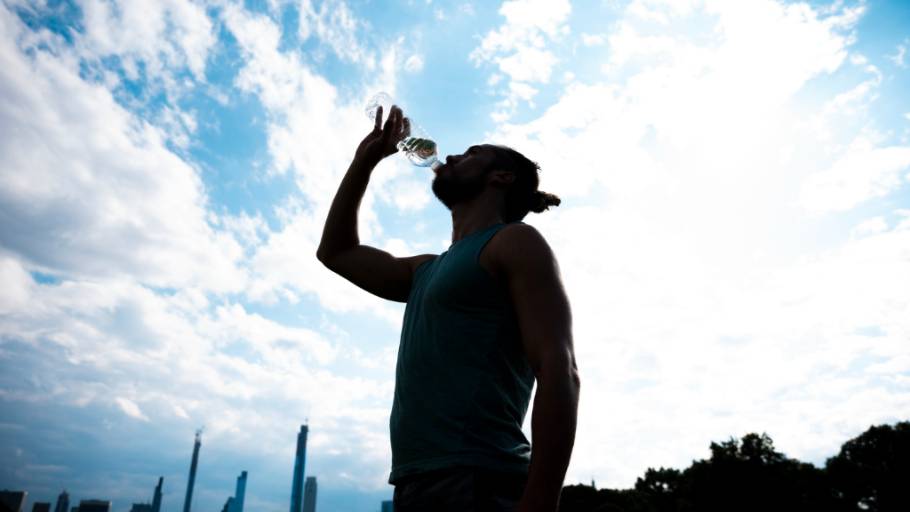
Summer heat creates conditions where dehydration develops faster than most people realize. A person who stays adequately hydrated through winter can become significantly dehydrated within hours on a hot summer day if they don’t actively increase fluid intake to match losses. Climate trends are making this worse year by year, with extended heat waves and rising peak temperatures pushing dehydration risk into dangerous territory across more regions.
In this environment, recognizing the signs of dehydration in summer isn’t just useful knowledge. It’s a critical safety skill. Outdoor workers, athletes, children playing outside, and elderly people whose thirst sensation has weakened with age all face elevated risk. Most dehydration cases that turn serious do so because early warning signs were dismissed as ordinary fatigue or heat tiredness.
This guide covers what dehydration actually looks like as it progresses, the specific signs to watch for in yourself and family members, how summer conditions amplify risks, and what to do when symptoms appear, ranging from mild warning signs to genuine medical emergencies requiring hospital care.
Why Summer Dehydration Develops So Fast
Heat accelerates fluid loss dramatically through sweating. In moderate temperatures, the body loses 1.5 to 2 liters of water daily through normal breathing, urination, and perspiration. In summer conditions, particularly during outdoor activity, sweat loss alone can reach 1 to 2 liters per hour for heavy physical work.
This means someone working construction or doing manual labor in summer heat can lose 8 to 12 liters of fluid during a single shift. Without aggressive rehydration, dehydration becomes inevitable rather than possible.
Several factors compound the risk:
Power outages during peak heat mean cooling systems stop working exactly when needed most. Indoor temperatures climb to match outdoor levels. Extended outdoor work continues during the hottest hours of the day. Cultural patterns including heavy clothing, limited rest, and sustained physical activity through peak heat hours. Religious fasting periods that may coincide with summer create 14-16 hour windows when fluids cannot be consumed.
Recognizing the signs of dehydration in summer matters because the environment pushes everyone toward dehydration faster than in cooler climates.
How Dehydration Progresses Through Stages
Dehydration is classified by how much body weight has been lost as fluid:
Mild (1-2% body weight loss): Subtle early warnings that most people ignore.
Moderate (2-5% body weight loss): Noticeable physical symptoms affecting function.
Severe (above 5% body weight loss): Medical emergency requiring immediate intervention.
10% loss: Organ damage becomes a serious risk.
15% loss: Can be fatal.
The signs of dehydration in summer progress through these stages, and recognizing the early symptoms before they reach the moderate stage is what prevents medical emergencies.
Early Signs Worth Watching
The earliest signs of dehydration in summer are easy to dismiss as heat fatigue, hunger, or normal effects of weather. Catching them early matters because recovery at this stage requires only water and rest.
Thirst is the most obvious early signal but actually unreliable. By the time you feel thirsty, you’ve already lost 1-2 percent of your body fluid. In older adults and children, thirst sensation works even worse and shouldn’t be relied on as a primary warning.
Dry mouth and sticky saliva are more reliable early indicators because saliva production depends directly on hydration status. The body reduces saliva to conserve water as fluid drops.
Dark yellow urine is one of the most practical objective signs. Well-hydrated urine is pale yellow like light lemonade. Dehydration produces increasingly dark amber or orange urine. Checking your urine color throughout the day in summer is one of the simplest monitoring tools available.
Reduced urination frequency is significant. Urinating fewer than 4 times daily during summer suggests inadequate hydration.
Subtle fatigue and difficulty concentrating appear earlier than most people realize. University of Connecticut research found that mild dehydration of just 1.36 percent measurably impairs mood, concentration, and cognitive performance even at rest.
Moderate Stage Signs
As dehydration progresses to 2-5 percent fluid loss, the signs of dehydration in summer become harder to ignore and start significantly affecting function.
Headache caused by the brain temporarily contracting as fluid reduces, pulling slightly away from the skull. Summer headaches without obvious cause should be treated with rehydration before reaching for pain medication.
Dizziness when standing up indicates dropping blood pressure as blood volume decreases. This is one of the most common reasons people feel faint during summer heat.
Visible fatigue and muscle weakness beyond what physical activity would explain. Research shows 2 percent dehydration reduces aerobic performance by approximately 20 percent.
Brain fog and concentration problems that affect work performance and decision-making.
Muscle cramps, particularly in legs and feet, during physical activity. Sweat depletes not just water but sodium, potassium, and magnesium. The electrolyte imbalance disrupts normal muscle function.
Rapid heartbeat as your cardiovascular system compensates for reduced blood volume by pumping faster.
Rapid breathing for the same reason.
At this stage, drinking water alone may not be sufficient. Electrolyte replacement through ORS (Oral Rehydration Salts) or sports drinks containing sodium and potassium becomes important rather than optional.
Severe Signs Requiring Emergency Care
The severe signs of dehydration in summer constitute medical emergencies. These require immediate hospital care, not just drinking more water.
Confusion and disorientation indicate the brain is being significantly affected by fluid and electrolyte depletion. When someone who was functioning normally suddenly becomes confused or unable to think clearly in summer heat, dehydration combined with heat illness is high on the list of possible causes.
Sunken eyes indicate fluid loss has reached the tissue around the eyes. This is a clinical sign used by medical professionals to assess severity.
Poor skin turgor is another clinical assessment. Pinch the skin on the back of someone’s hand and release it. Well-hydrated skin springs back immediately. In moderate to severe dehydration, the skin returns slowly or stays “tented.”
Fainting or loss of consciousness indicates blood pressure has dropped to the point where the brain isn’t receiving adequate blood flow.
No urination for 8 hours or more combined with dark or absent urine means the kidneys are essentially shutting down fluid output to protect core functions.
Stopping sweating despite heat exposure is particularly dangerous because it means the body has run out of fluid to produce sweat. This can rapidly progress to heat stroke, which has a mortality rate of 10-50 percent depending on how quickly treatment is received.
For severe symptoms, call emergency services immediately. While waiting for or transporting to medical care, move the person to the coolest available environment, remove excess clothing, apply cool wet cloths to skin, and offer small sips of cool water or ORS if the person is conscious and able to swallow.
Explore the physiological impact of fluid loss via StatPearls (National Library of Medicine).
Signs of Dehydration by Age Group
The signs of dehydration in summer present differently across age groups, and certain populations face higher risk of dehydration progressing to dangerous levels before being recognized.
In infants and young children, watch for sunken fontanelle (the soft spot on a baby’s head), dry diapers for three or more hours in infants, no tears when crying, dry mouth and tongue, and unusual lethargy or irritability. Children dehydrate faster than adults because their body surface area relative to body weight is higher, causing proportionally greater sweat loss.
In older adults, the signs of dehydration in summer are often masked or delayed because the thirst mechanism becomes less sensitive with age. Confusion, rapid heart rate, and dry mouth in older adults during summer should be treated as potential dehydration until proven otherwise. Medications including diuretics, blood pressure medications, and certain psychiatric medications increase fluid loss and reduce the ability to concentrate urine, making older adults on these medications particularly vulnerable.
In athletes and outdoor workers, the signs of dehydration in summer can progress rapidly because of high sweat rates during physical exertion in heat. Performance degradation, muscle cramps, excessive fatigue, and cessation of sweating despite continued heat exposure are all signs of dehydration in summer that indicate dangerous fluid depletion.
Pregnant and breastfeeding women have higher fluid requirements and should be particularly attentive to hydration in summer.
People with diabetes are at higher dehydration risk because high blood sugar increases urination. Monitoring hydration carefully during heat is essential.
People with chronic kidney disease need medical guidance about appropriate fluid intake during summer.
Quick Reference: Signs of Dehydration in Summer by Severity
| Stage | Fluid Loss | Key Signs of Dehydration in Summer | Action Required |
|---|---|---|---|
| Mild | 1 to 2% body weight | Thirst, dry mouth, dark urine, reduced urination | Drink water immediately, rest in shade |
| Moderate | 2 to 5% body weight | Headache, dizziness, fatigue, muscle cramps, rapid heartbeat | Rehydrate with water and electrolytes, rest in cool environment |
| Severe | Above 5% body weight | Confusion, sunken eyes, poor skin turgor, fainting, no urination | Emergency medical attention required |
How Much Water You Actually Need in Summer
The National Academies of Sciences, Engineering, and Medicine recommends approximately 3.7 liters of total daily water intake for men and 2.7 liters for women from all sources including food and beverages. In hot summer conditions, these requirements increase substantially.
Practical summer hydration guidelines:
For sedentary indoor work in air-conditioned spaces: 3-4 liters daily.
For typical outdoor activity in summer heat: 4-6 liters daily.
For heavy outdoor work or extended sun exposure: 6-10 liters daily, spread throughout the day.
For athletes training in heat: 500 ml every 30 minutes of activity, plus additional intake before and after.
The simplest indicator that you’re drinking enough is urine color. Pale yellow throughout the day means adequate hydration. Darker means drink more. Almost no urine for hours means immediate increased intake needed.
Important warning: drinking extremely large quantities of plain water without electrolytes can cause hyponatremia, a condition where sodium levels drop dangerously low. This is more relevant for athletes who drink only water during very long efforts, but worth knowing. For most people, the risk is being underhydrated, not overhydrated.
Hydration Solutions Beyond Plain Water
Several options work alongside or instead of plain water for effective summer hydration:
Coconut water provides natural electrolytes including potassium and sodium, making it effective for moderate sweat replacement.
Sports drinks containing sodium and potassium help replace what’s lost through heavy sweating, though many contain excessive sugar.
ORS (Oral Rehydration Salts) available at any pharmacy provide medical-grade electrolyte replacement. Essential for serious dehydration prevention or recovery.
Watermelon at 92 percent water is one of the best hydrating foods during summer.
Cucumber at 96 percent water can be eaten throughout the day.
Yogurt at 88 percent water provides hydration along with protein and probiotics.
Tomatoes at 95 percent water work in salads or eaten directly.
Lemon water with a pinch of salt provides hydration plus modest electrolyte replacement.
What to limit during heat: excessive caffeine that has diuretic effects, sugary sodas that increase thirst, alcohol (which significantly worsens dehydration), and heavily processed snacks with high sodium without enough fluid to balance.
What to Do When Signs Appear
For mild signs of dehydration in summer, the response is straightforward. Move to a cool or shaded environment immediately. Drink cool water in regular small sips rather than large quantities rapidly, which can cause nausea. If sweating has been heavy, drink ORS or a sports drink to replace electrolytes. Rest until symptoms resolve.
For moderate signs including headache, dizziness, and muscle cramps, the same steps apply with greater urgency. Lying down with legs slightly elevated reduces fainting risk. Electrolyte replacement becomes essential, not optional.
For severe signs including confusion, fainting, or no urination, call emergency services immediately. Intravenous fluid replacement is typically required because oral intake is insufficient to restore fluid balance rapidly enough in severe cases.
Severe dehydration combined with heat stroke can be fatal within hours if not treated. Don’t try to manage severe symptoms at home. Get the person to medical care.
Preventing Dehydration Before It Starts
The strategy that actually prevents the signs of dehydration in summer from appearing at all is consistent proactive fluid intake rather than reactive drinking after thirst signals trouble.
Drink water before going outside in heat. Don’t wait until you feel thirsty.
Carry water with you whenever leaving home in summer.
Check urine color throughout the day as your monitoring tool.
Increase fluid intake during exercise to match losses.
Limit outdoor activity during peak heat hours (typically 11 AM to 4 PM in most regions).
Wear light, breathable clothing that allows sweat evaporation.
Take breaks in shaded or cool areas during outdoor activity.
Watch for early warning signs in family members, particularly children and elderly people who may not recognize their own symptoms.
Final Thoughts
The signs of dehydration in summer range from easy-to-miss early warnings like dark urine and dry mouth to life-threatening emergencies like confusion, fainting, and organ failure. Recognizing the signs of dehydration in summer early, before symptoms progress beyond the mild stage, makes recovery simple and fast.
Waiting until moderate or severe signs of dehydration in summer appear makes recovery significantly harder and potentially dangerous.
The strategy that actually prevents dehydration is consistent proactive fluid intake, checking urine color regularly, and increasing water intake before going outside in heat rather than waiting for thirst to signal that the body is already running a deficit. In summer, thirst is not an early warning. It is already dehydration telling you it has arrived.
Start now. Check your urine color today. Drink water proactively before you feel thirsty. Watch the family members most at risk. The signs of dehydration in summer are easy to catch if you know what to look for, and dangerous to miss when you don’t.
How to Improve Digestion Fast: Natural Ways to Beat Bloating in 2026


Comments