




How to Improve Digestion Fast: Natural Ways to Beat Bloating in 2026
Digestive problems affect more people than almost any other health complaint. Bloating, gas, irregular bowel movements, acid reflux, and that uncomfortable heaviness after meals have become so common that many people treat them as normal rather than as signals their digestive system needs attention.
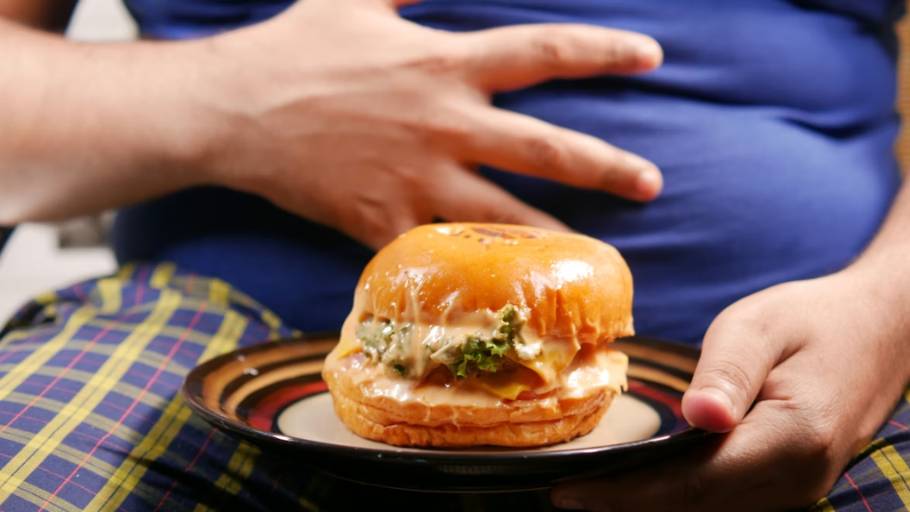
Digestive problems affect more people than almost any other health complaint. Bloating, gas, irregular bowel movements, acid reflux, and that uncomfortable heaviness after meals have become so common that many people treat them as normal rather than as signals their digestive system needs attention.
The honest truth about how to improve digestion fast is that some things genuinely help within hours (drinking water, walking after meals, slowing down while eating) while real digestive health improvements take days to weeks of consistent habits. The “fast” in the title applies to immediate symptom relief. Lasting digestive health is a longer project.
This guide covers what actually works for improving digestion based on current understanding of gut health, the specific changes that produce the quickest noticeable results, the longer-term habits that build sustainable digestive function, and the warning signs that indicate medical attention rather than home remedies.
Why Modern Digestion Is So Often Broken
Several factors in modern life consistently damage digestive function:
Eating too quickly without proper chewing. Eating while distracted by screens or work. Processed foods that lack fiber and contain ingredients gut bacteria don’t recognize. Chronic stress that affects gut function through the gut-brain connection. Sedentary lifestyles that slow normal intestinal movement. Poor sleep that disrupts digestive rhythms. Inadequate hydration that hardens stool and slows digestion. Frequent antibiotic use that disrupts gut microbiome balance. Artificial sweeteners that may alter gut bacteria.
Identifying which of these factors apply to you matters more than following generic advice. Most people have 2-4 main contributors to their digestive issues. Addressing those specific factors produces faster results than trying to change everything at once.
Things That Help Quickly (Hours to Days)
If you’re looking for how to improve digestion fast in the truest sense, these interventions can help within hours to a few days:
Drink water consistently throughout the day. Dehydration is one of the most common causes of constipation and slow digestion. Drinking 2-3 liters daily, spread out rather than chugged at once, supports digestive function quickly.
Walk for 10-15 minutes after meals. Light movement after eating helps food move through your digestive system. This is one of the most effective and immediate digestive interventions available.
Slow down while eating. Most people eat far too fast. Chewing each bite 20-30 times, putting your fork down between bites, and taking 20+ minutes for meals dramatically reduces bloating and improves digestion within days.
Stop eating 2-3 hours before sleeping. Lying down with food still in your stomach causes acid reflux and disrupts overnight digestive processes. This single change resolves many evening digestive problems.
Try ginger tea for nausea or bloating. Fresh ginger steeped in hot water for 10 minutes provides real digestive relief for many people within an hour.
Try peppermint tea for gas. Research supports peppermint’s effects on intestinal smooth muscle that can reduce gas and bloating.
Take a brief break from problem foods. If you suspect certain foods cause issues (dairy, gluten, FODMAPs, spicy foods, fried foods), eliminating them for a week can produce noticeable improvement quickly.
These changes produce results you can feel within hours to days. They’re the foundation that longer-term improvements build on.
Eating Habits That Matter Most
How you eat matters as much as what you eat for digestion. The mechanical and behavioral aspects of eating affect digestion directly.
Chew thoroughly. Digestion starts in the mouth. Saliva contains enzymes that begin breaking down food. Inadequate chewing means your stomach has to work harder, often producing bloating, gas, and incomplete digestion. Aim for thorough chewing where food is well-broken down before swallowing.
Don’t eat while distracted. Eating while watching TV, scrolling phones, or working leads to eating faster, eating more, and missing satiety signals. Mindful eating with attention to your food improves digestion significantly.
Eat at consistent times. Your digestive system functions better with predictable patterns. Eating breakfast, lunch, and dinner at roughly consistent times daily helps establish digestive rhythms.
Don’t skip meals randomly. Going long periods without eating then consuming large meals overloads digestion. Regular moderate eating works better than alternating between starvation and feast.
Stop eating when comfortably full, not stuffed. The signal that you’re full comes about 20 minutes after you’ve eaten the amount that would satisfy you. Eating slowly helps you recognize this signal before overeating.
Don’t drink large amounts of fluid during meals. Small amounts of water during eating is fine. Large quantities can dilute digestive enzymes and slow digestion. Most of your daily water intake should happen between meals.
These behavioral changes don’t require buying anything or following a specific diet. They produce real digestive improvements within days.
Foods That Support Digestion
Several foods have specific digestive benefits backed by reasonable evidence:
Yogurt with live cultures provides probiotics that support healthy gut bacteria. Choose plain yogurt without added sugar. Greek yogurt has higher protein content. Daily consumption helps maintain gut microbiome balance.
Kefir is fermented milk with more diverse probiotic strains than yogurt. Available at health food stores and major grocery chains. Strong digestive benefits for many people.
Sauerkraut and kimchi are fermented vegetables containing probiotic bacteria. Important: choose unpasteurized versions, as pasteurization kills the beneficial bacteria. Fermented foods support gut diversity.
Ginger contains compounds that help stomach emptying and reduce nausea. Effective as tea, in cooking, or as a supplement.
Bananas are easy to digest and contain pectin (a soluble fiber) that supports bowel regularity. Slightly ripe bananas work better than overripe ones for digestive support.
Papaya contains papain, a digestive enzyme that helps break down proteins. Particularly useful for people with protein digestion difficulties.
Pineapple contains bromelain, another protein-digesting enzyme. Eating fresh pineapple after protein-heavy meals can support digestion.
Whole grains including oats, brown rice, quinoa, and whole wheat provide fiber that supports bowel regularity. Increase intake gradually to avoid initial bloating.
Apples and pears provide pectin fiber that supports both bowel regularity and beneficial gut bacteria.
Beans, lentils, and legumes are excellent fiber sources though they can cause initial gas when first added to diets. Increase intake gradually.
Leafy greens including spinach, kale, and other vegetables provide fiber and nutrients that support digestive health.
Bone broth contains gelatin and amino acids that some research suggests support gut lining health.
Fatty fish (salmon, sardines, mackerel) provides omega-3 fatty acids that reduce gut inflammation.
Foods That Damage Digestion
Equally important is recognizing what consistently damages digestive function:
Ultra-processed foods lack the fiber and nutrients gut bacteria need. They often contain emulsifiers, preservatives, and ingredients that may disrupt gut microbiome.
Excessive sugar and refined carbs feed harmful gut bacteria and yeast overgrowth.
Artificial sweeteners including aspartame, sucralose, and others may negatively affect gut bacteria according to recent research.
Fried and very fatty foods are difficult to digest and often cause acid reflux and discomfort.
Excessive alcohol disrupts gut bacteria and damages gut lining.
Excessive caffeine can increase stomach acid and worsen reflux for sensitive individuals.
Carbonated drinks introduce gas into your digestive system and can cause bloating.
Foods you’re personally intolerant to. Common ones include dairy (lactose intolerance), gluten, FODMAP foods (onions, garlic, certain fruits, beans), and spicy foods.
Identifying your personal trigger foods through brief elimination periods is one of the most effective digestive interventions available.
Fiber: The Underrated Solution
Most people consume far less fiber than recommended. Adults should eat 25-35 grams daily but typical Western diets provide only 10-15 grams.
Two types of fiber matter:
Soluble fiber (oats, beans, apples, citrus, psyllium) absorbs water and forms a gel that slows digestion, supports beneficial bacteria, and helps stabilize blood sugar.
Insoluble fiber (whole wheat, vegetables, nuts, seeds) adds bulk to stool and supports movement through the intestines.
Both types matter for different reasons. A mix of fiber sources works better than focusing on one.
How to increase fiber without causing problems:
Increase gradually over 2-3 weeks rather than dramatically. Increase water intake alongside fiber. Distribute fiber throughout meals rather than concentrating in one meal. Don’t go from very low fiber straight to very high fiber, which causes bloating and gas.
Within 1-2 weeks of consistent adequate fiber intake, most people see significant improvement in bowel regularity and overall digestive comfort.
Learn how different types of fiber impact your gut from the Mayo Clinic.
The Stress-Digestion Connection
The gut-brain connection is real and matters more than most people realize. Chronic stress affects digestion through several mechanisms:
Stress hormones disrupt normal digestive function. Anxiety can speed up or slow down digestion depending on the person. Stress can worsen IBS, acid reflux, and other digestive conditions. Sleep disruption from stress affects gut function.
What helps:
Stress management practices including meditation, deep breathing, regular exercise, time in nature, and adequate sleep. Limiting stressful inputs including news consumption, work emails after hours, and chronic over-scheduling. Professional support for chronic anxiety or depression that affects digestion.
You cannot eat your way out of stress-driven digestive problems. Addressing the stress itself matters more than dietary perfection.
Exercise and Digestion
Physical activity supports digestion through multiple mechanisms. Movement helps food move through your intestines. Exercise reduces stress that affects digestion. Regular activity supports overall gut health.
What works:
A 10-15 minute walk after meals immediately aids digestion. Regular moderate exercise (30 minutes most days) supports overall digestive function. Yoga has specific poses that may help with digestive issues.
What doesn’t help:
Intense exercise immediately after large meals can divert blood flow from digestion. Wait at least an hour after large meals before intense activity.
When Digestive Problems Indicate Something Serious
Most digestive issues respond to lifestyle changes. However, certain symptoms indicate conditions requiring medical evaluation:
Blood in stool or vomit requires immediate medical attention.
Sudden severe abdominal pain that doesn’t resolve.
Unexplained weight loss combined with digestive symptoms.
Persistent vomiting beyond 24-48 hours.
Difficulty swallowing or feeling food gets stuck.
Chronic diarrhea or constipation lasting weeks despite lifestyle changes.
Symptoms of dehydration from prolonged digestive issues.
Chronic acid reflux that doesn’t respond to lifestyle changes (may indicate GERD requiring treatment).
Recurring abdominal pain in specific patterns (may indicate IBS, IBD, or other conditions).
Family history of digestive cancers plus persistent symptoms.
These warrant proper medical evaluation rather than home remedies. Conditions like inflammatory bowel disease, celiac disease, GERD, IBS, and digestive cancers require proper diagnosis and treatment.
Common Digestive Conditions Worth Knowing About
IBS (Irritable Bowel Syndrome) affects 10-15 percent of adults globally. Symptoms include bloating, cramping, alternating constipation and diarrhea, and gas. Management often involves dietary changes (low-FODMAP diet), stress management, and sometimes medication.
GERD (Acid Reflux Disease) is chronic acid reflux that damages the esophagus over time. Management includes lifestyle changes (not eating before sleep, weight management, avoiding trigger foods) and often medication.
Lactose Intolerance affects significant portions of adult populations, particularly those of Asian, African, and Latino descent. Symptoms after dairy include bloating, gas, and diarrhea. Lactose-free alternatives or lactase supplements help.
Celiac Disease is an autoimmune reaction to gluten requiring complete gluten elimination. Diagnosis requires medical testing.
Non-Celiac Gluten Sensitivity affects people who experience digestive issues from gluten without having celiac disease.
SIBO (Small Intestinal Bacterial Overgrowth) involves excess bacteria in the small intestine causing bloating, gas, and digestive issues. Requires medical testing for proper diagnosis.
If your digestive problems persist despite lifestyle changes, getting tested for these conditions matters rather than just trying more home remedies.
Hydration and Digestion
Adequate water intake supports digestion in multiple ways:
Softens stool to prevent constipation. Helps the body produce digestive secretions. Supports nutrient absorption. Helps move food through the intestines.
Target 2-3 liters daily for most adults, more in hot weather or with exercise. Drink throughout the day rather than concentrating intake. Limit large amounts during meals (small sips fine) to avoid diluting digestive juices.
Sample Day Built for Better Digestion
Morning: Glass of water on waking. Light stretching or short walk. Breakfast with fiber and protein (oats with banana and nuts, or yogurt with berries).
Mid-morning: More water. Light snack if hungry (apple, handful of nuts).
Lunch: Balanced meal with vegetables, protein, and complex carbs. Eat slowly without distractions. 10-15 minute walk after eating.
Afternoon: Continue hydrating. Light snack with protein and fiber if needed.
Dinner: Lighter than lunch. Eat at least 2-3 hours before sleeping. Include vegetables, protein, and moderate carbs.
Evening: Limited fluid intake to avoid nighttime bathroom trips. No food within 2-3 hours of sleeping. Wind down without screens.
This pattern supports consistent digestion through regular timing, adequate hydration, fiber intake, and not overloading the system before sleep.
Common Mistakes That Sabotage Digestion
The patterns that consistently undermine digestive health:
Eating too fast and without chewing properly. Eating large meals late at night. Constant snacking that never lets digestion rest. Drinking large amounts of fluid with meals. Excessive coffee or alcohol consumption. Ignoring food sensitivities by continuing to eat trigger foods. Skipping fiber while expecting good digestion. Sedentary lifestyle without daily movement. Chronic stress that’s never addressed. Random use of antibiotics or NSAIDs that damage gut function. Looking for quick fixes through supplements rather than addressing fundamentals.
Fixing 2-3 of these usually produces more digestive improvement than trying to overhaul everything at once.
Final Thoughts
Real digestive health builds through consistent daily habits rather than quick fixes. The interventions that improve digestion fast (water, walking after meals, slowing down, ginger tea, stopping eating before sleep) are genuinely useful for immediate relief. The longer-term habits that support sustained digestive health (adequate fiber, regular exercise, stress management, identifying trigger foods, supporting gut microbiome) require weeks to months to produce full results.
For people genuinely committed to improving digestion, the path involves identifying which factors most affect your specific situation and addressing those directly. Most people don’t need to fix everything. They need to fix the 2-3 things that are causing most of their issues.
If lifestyle changes don’t resolve persistent digestive problems within 4-6 weeks of consistent effort, medical evaluation matters rather than continuing to try more home remedies. Conditions like IBS, GERD, celiac disease, and others have specific treatments that home approaches can’t replace.
The boring fundamentals work: hydrate adequately, eat real food with fiber, move daily, manage stress, sleep well, slow down at meals, identify foods that cause you problems and avoid them. Done consistently for weeks rather than days, these produce digestive health that supports everything else in your life. Start with one or two changes that fit your situation rather than overwhelming yourself with all of them at once.



Comments