




The Best Fruits for Weight Loss: The Complete Science-Backed Guide for 2026
The Pakistani relationship with fruit is genuinely something. Summer mangoes that families wait all year for. Winter oranges that pile up at every fruit cart. Bananas that show up in every lunchbox. Watermelons sold by the dozen during May and June heat.
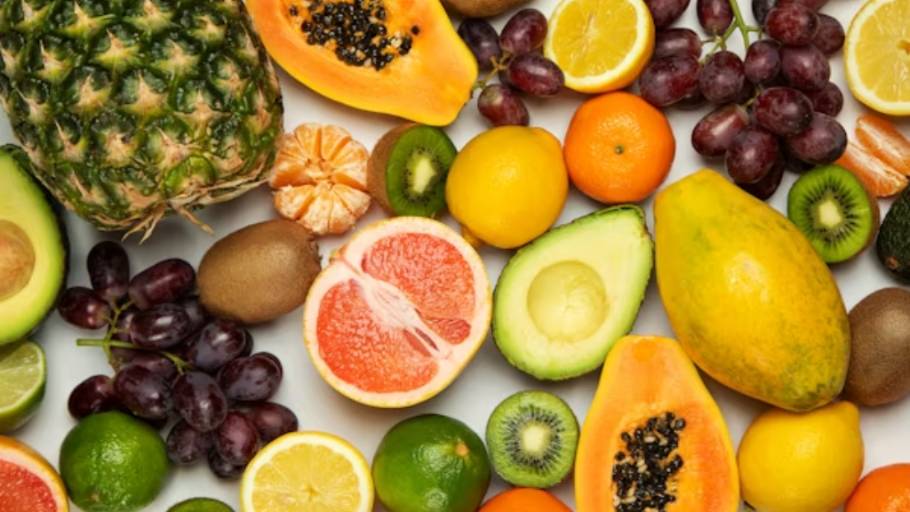
The Pakistani relationship with fruit is genuinely something. Summer mangoes that families wait all year for. Winter oranges that pile up at every fruit cart. Bananas that show up in every lunchbox. Watermelons sold by the dozen during May and June heat. Fruit is woven into how Pakistani people actually eat, which makes it one of the easier dietary changes for anyone trying to lose weight without feeling like they’re punishing themselves.
But the question of which are actually the best fruits for weight loss has more nonsense floating around it than almost any other diet topic. Half the articles online promise specific fruits that “burn fat” as if biology worked that way. The other half push imported berries that cost a fortune in Pakistani markets while ignoring the local fruits that do the same job for a tenth of the price.
Here’s the actual situation. The best fruits for weight loss work because of three boring factors: how few calories they contain, how much fiber they pack, and how much water they hold. Fruits that score high on all three help you feel full while eating fewer calories overall. Fruits that don’t, or that come in juice or dried form, don’t do much for weight loss.
For Pakistani readers specifically, the best news is that some of the best fruits for weight loss are dirt cheap and grown locally. Guava costs PKR 150 a kilo. Kinnow piles up at every fruit stand in winter. Papaya is everywhere. Apples are widely available. Meanwhile, blueberries and raspberries from imported sections of Imtiaz or Carrefour cost more than a kilo of chicken. The good news is you don’t actually need them.
This guide covers the best fruits for weight loss that actually work, what doesn’t, and what’s available at Pakistani prices.
Why Fruit Actually Helps Weight Loss
The mechanism is more straightforward than complicated. Whole fruit is low in energy density, meaning it provides few calories per gram of food. This matters because eating foods with low energy density lets you consume satisfying volumes without excessive calorie intake.
Water content drives most of this. Watermelon is 92 percent water. Strawberries are 91 percent water. Grapefruit is 88 percent water. High water content fills the stomach, activates fullness signals, and provides hydration with minimal caloric cost.
Fiber is the second mechanism. Soluble fiber, particularly pectin found in apples and pears, forms a gel in your digestive tract that slows gastric emptying, prolongs satiety, and reduces the blood sugar spike that follows eating. Research consistently shows the best fruits for weight loss have high fiber content relative to calorie count.
The catch most people miss: fruit only works for weight loss if it replaces higher-calorie foods rather than getting added to your existing diet. A banana eaten instead of a packet of biscuits supports weight loss. A banana eaten in addition to your usual food just adds calories.
The Pakistani Fruit Reality
Before diving into specific fruits, Pakistani context matters because availability and price affect what’s actually realistic.
Pakistani fruits that are abundant, affordable, and excellent for weight loss include guava (amrood), oranges (santra and kinnow), apples, papaya, watermelon, melon (kharbooza), and pears. These should form the core of fruit-based weight loss eating in Pakistan.
Pakistani fruits that are seasonally available and beneficial include strawberries (winter), pomegranates (anaar), persimmons, falsa (summer), jamun, and certain berries during specific seasons.
Pakistani fruits that are expensive imports or limited availability include blueberries, raspberries, kiwi, avocado, and many other imported berries. These show up prominently in Western weight loss articles but are luxury items in Pakistan costing PKR 1,000+ per small container.
Pakistani fruits that get unfairly dismissed by global weight loss content include mango. Yes, mango has more natural sugar than other fruits. No, eating mango in moderate portions during summer doesn’t sabotage weight loss. Pakistani mangoes during summer are not the enemy.
The Fruits That Actually Work
Berries (Imported and Expensive in Pakistan)
Raspberries, strawberries, and blueberries are nutritionally exceptional for weight loss. Raspberries contain 64 calories per cup with 8 grams of fiber, one of the best fiber-to-calorie ratios available in any food. Strawberries provide 49 calories per cup with 3 grams of fiber at 91 percent water content. Blueberries deliver 84 calories per cup with 3.6 grams of fiber and the highest antioxidant content of common berries.
Pakistani reality: imported berries cost PKR 800 to 2,500 per small container at major grocery stores like Imtiaz, Carrefour, and online services. Local seasonal strawberries (winter, available December to March) are more affordable at PKR 200-400 per pack. For most Pakistani readers, berries are an occasional addition rather than daily staple due to cost.
If budget allows, frozen mixed berries from Carrefour or Imtiaz are often cheaper than fresh and nutritionally identical. Use them in yogurt or smoothies.
Apples
Apples are among the most researched of the best fruits for weight loss with consistent supporting evidence. One medium apple provides 95 calories with 4 grams of fiber, primarily pectin which forms a gel in your stomach that prolongs satiety.
Research shows daily consumption of 3 apples per day produced measurable weight management over 12 weeks compared to study subjects eating oat cookies. The crunch factor matters too. Chewing apples signals fullness to the brain more effectively than soft or liquid foods.
Pakistani availability: Apples are widely available and affordable in Pakistan. Local Murree and Quetta apples cost PKR 200-400 per kg seasonally. Imported Washington and New Zealand apples are more expensive but available year-round.
Practical use: eat a sliced apple as a snack before lunch. Add peanut butter or yogurt for added protein and sustained satiety.
Guava (Amrood)
Guava deserves a top spot among the best fruits for weight loss for Pakistani readers specifically. One guava provides approximately 37 calories with 3 grams of fiber, more vitamin C per 100 grams than oranges, and a low to moderate glycemic index that doesn’t trigger sharp blood sugar spikes.
Pakistani availability: Guava is abundant and extremely affordable. PKR 100-200 per kg seasonally (peak in winter). Available across the country.
For weight loss budget-conscious Pakistani readers, guava is genuinely the best value option. High fiber, low calories, affordable, locally grown, and good for blood sugar control.
Oranges and Kinnow
One medium orange or kinnow provides about 62 calories with 3 grams of fiber and more than 100 percent of daily vitamin C requirements. Whole citrus is filling relative to its calorie content, making it effective for satiety.
Pakistani availability: Pakistan is one of the world’s major kinnow producers. Winter season (November to March) brings abundant local kinnow at PKR 80-150 per kg. Year-round oranges are widely available.
Critical distinction: whole oranges work for weight loss. Orange juice does not. Juicing removes the fiber that creates satiety and concentrates the sugar. One glass of orange juice contains the sugar of 3-4 oranges without the fiber that prevents blood sugar spikes.
Watermelon (Tarbooz)
Watermelon contains only 46 calories per cup at 92 percent water content. The water content provides exceptional volume and hydration during Pakistani summers when both matter significantly.
Pakistani availability: Abundant during summer months at PKR 50-100 per kg. One of the cheapest weight loss fruits available.
Caution: watermelon has a relatively high glycemic index. Portion control matters, especially for people managing diabetes or blood sugar issues. One to two cups is an appropriate serving.
Pears (Naashpati)
One medium pear provides 101 calories and 5.5 grams of fiber, one of the highest fiber contents per serving among common fruits. The pectin and insoluble fiber slow digestion and feed beneficial gut bacteria.
Pakistani availability: Local pears available seasonally (summer/fall) at PKR 150-300 per kg. Imported pears available year-round at higher cost.
The same research showing apple benefits found that 3 pears daily produced similar weight management results over 12 weeks compared to control subjects.
Papaya
One cup of papaya provides 55 calories with 2.5 grams of fiber and contains papain, a digestive enzyme that improves protein breakdown and reduces bloating.
Pakistani availability: Available year-round at PKR 100-200 per kg. Widely consumed in Pakistani breakfast culture.
For Pakistani readers whose weight management is complicated by digestive issues or bloating (common in Pakistani diet patterns), papaya is particularly useful because it addresses digestion alongside calorie management.
Pomegranate (Anaar)
Pakistan produces excellent pomegranates that get less attention than they deserve in international weight loss content. One pomegranate provides approximately 234 calories with 11 grams of fiber, which is exceptional fiber content. The seeds contain antioxidants and compounds that research suggests support metabolic health.
Pakistani availability: Local Quetta and Kandahar varieties available October to January at PKR 200-500 per kg. Imported varieties available year-round at higher prices.
Pomegranates are higher in calories than most weight loss fruits but the fiber content and satiety make them worth including, particularly in winter months.
Grapefruit
One grapefruit provides about 74 calories per cup with 2 grams of fiber at 88 percent water content. Clinical research found grapefruit consumption supports insulin sensitivity and produced approximately 1.6 kg weight reduction in 12 weeks.
Pakistani availability: Limited and expensive. PKR 300-600 per kg when available. Not a staple Pakistani fruit.
Important warning: grapefruit interacts with several common medications including statins (cholesterol drugs), some blood pressure medications, and others by inhibiting the CYP3A4 enzyme. Pakistani readers taking prescription medications should confirm with their doctor before regular grapefruit consumption.
Kiwi
Two medium kiwis provide approximately 90 calories with 4 grams of fiber. Exceptionally high in vitamin C and contains actinidin, a digestive enzyme that improves protein digestion.
Pakistani availability: Imported and expensive. PKR 400-800 per kg. Available at major grocery stores in major cities.
Worth occasional consumption for the nutrient density but cost makes daily use impractical for most Pakistani readers.
Avocado
Avocado is technically a fruit and works for weight loss despite being calorie-dense. Half an avocado contains about 120 calories and 5 grams of fiber along with monounsaturated fats that produce strong sustained satiety.
Pakistani availability: Limited and expensive. PKR 500-1,200 per piece. Available at major grocery stores in Karachi, Lahore, Islamabad.
For Pakistani readers, avocado is an occasional inclusion rather than daily staple due to cost. When you do include it, the satiety effects are genuinely strong.
Review the latest fruit intake recommendations from the USDA Dietary Guidelines 2025-2030.
Pakistani Quick Reference: Best Fruits for Weight Loss
| Fruit | Calories | Fiber | Pakistani Price (approximate) | Best Season |
|---|---|---|---|---|
| Guava (Amrood) | 37 per fruit | 3g | PKR 100-200/kg | Winter |
| Watermelon (Tarbooz) | 46/cup | 0.6g | PKR 50-100/kg | Summer |
| Strawberries | 49/cup | 3g | PKR 200-400/pack | Winter |
| Apples | 65/cup | 3g | PKR 200-400/kg | Year-round |
| Oranges/Kinnow | 62/medium | 3g | PKR 80-150/kg | Winter |
| Papaya | 55/cup | 2.5g | PKR 100-200/kg | Year-round |
| Pears (Naashpati) | 97/medium | 5.5g | PKR 150-300/kg | Summer/Fall |
| Pomegranate (Anaar) | 234/fruit | 11g | PKR 200-500/kg | Winter |
| Grapefruit | 74/cup | 2g | PKR 300-600/kg | Winter |
| Kiwi | 90/2 medium | 4g | PKR 400-800/kg | Year-round |
| Raspberries | 64/cup | 8g | PKR 1500+/pack | Imported |
| Blueberries | 84/cup | 3.6g | PKR 1500+/pack | Imported |
| Avocado | 240/whole | 10g | PKR 500-1200/piece | Year-round |
What About Mango?
Pakistani mangoes during summer deserve specific discussion since they’re the most beloved Pakistani fruit.
One cup of mango provides about 99 calories with 2.6 grams of fiber. Mangoes have more natural sugar than most weight loss fruits, which is why international weight loss content often warns against them.
Honest Pakistani take: mangoes don’t sabotage weight loss when eaten in moderate portions. A small serving (half a cup to one cup) of fresh mango daily during summer season is fine within an overall caloric framework. The problem isn’t mango itself. It’s eating 3-4 mangoes daily plus your normal food.
For Pakistani diabetics or those with insulin resistance, mango portions should be smaller and combined with protein or fat to slow blood sugar response. For most Pakistani readers, moderate mango consumption during summer (1 small mango daily or half a large one) doesn’t undermine weight loss goals.
How to Actually Use Fruit for Weight Loss
Knowing which fruits work matters less than how you actually use them in daily eating.
Replace, don’t add: Fruit only works for weight loss when it replaces higher-calorie foods. An apple instead of biscuits works. An apple plus your normal snacks doesn’t.
Eat fruit before meals: Research suggests eating an apple before lunch may reduce overall calorie intake at that meal. Pre-meal fruit activates satiety signals before the main course.
Choose whole fruit over juice: Juicing removes fiber and concentrates sugar. Whole oranges work. Orange juice doesn’t.
Pair fruit with protein: Adding yogurt to berries, or nuts to apple slices, extends satiety significantly compared to fruit alone.
Be aware of dried fruit: Pakistani readers love dates, raisins, and dried apricots. These are nutritionally good but very calorie-dense. A handful of dates equals the sugar of multiple fresh dates without the water that creates satiety.
Frozen counts: For expensive imported berries, frozen versions are nutritionally identical and significantly cheaper.
Watch portions of high-GI fruits: Watermelon, ripe mango, and some other fruits have higher glycemic indices. Portions matter, especially for diabetics.
Common Pakistani Mistakes That Sabotage Fruit Benefits
Patterns that consistently undermine weight loss efforts with fruit:
Drinking sweetened mango lassi or fresh fruit juices loaded with sugar instead of eating whole fruit. Adding fruit to already calorie-sufficient meals rather than replacing snacks. Eating large dates handfuls believing dates are “healthy” without considering the calorie load. Treating fruit chaat with chaat masala and sugar as a healthy choice when added sugar negates fruit benefits. Drinking commercial fruit juice (Nestle, Shezan, Slice) thinking it equals eating fruit when it’s essentially sugar water. Eating fruit dipped in cream or with heavy sweet additions that turn it into dessert.
Fruit works for weight loss as nature provides it. Adding sugar, cream, or processing into juice undermines the benefits.
Sample Pakistani Day Including Best Fruits for Weight Loss
Breakfast: Yogurt with banana and a tablespoon of nuts. Or papaya with eggs and one whole-wheat roti.
Mid-morning: One guava or one apple as snack.
Lunch: Daal with brown rice or roti, sabzi, and a small salad. Glass of water.
Afternoon snack: A handful of berries with yogurt (if available), or orange/kinnow slices.
Dinner: Grilled chicken or fish with vegetables, light on rice. Small portion of melon for natural sweetness instead of dessert.
This includes 3-4 servings of fruit daily as part of an overall calorie-conscious eating pattern. The fruits replace processed snacks rather than getting added to existing eating habits.
Final Thoughts
The best fruits for weight loss in 2026 work because of consistent biological mechanisms: low energy density from high water content, sustained satiety from fiber, and natural sweetness that satisfies cravings without ultra-processed sugar additions.
For Pakistani readers specifically, the best practical fruits for daily weight loss eating are guava, oranges/kinnow, apples, papaya, watermelon (in season), and pears. These deliver the right combination of weight loss benefits with affordable Pakistani availability. Imported berries, kiwi, and avocado are nutritionally excellent but cost makes them occasional additions rather than daily staples.
The fundamental rule that’s easy to forget: fruit supports weight loss when it replaces higher-calorie foods. Eating fruit while continuing to consume the same processed snacks, sugary drinks, and high-calorie desserts just adds calories. The best fruits for weight loss only work as part of an overall eating pattern that creates a moderate caloric deficit.
Real fruit, eaten whole, in normal portions, replacing processed snacks. That’s the entire approach. The specific fruit matters less than the overall pattern. Start with what’s affordable and available in your area, eat 2-3 servings daily, and combine with protein for sustained satiety.
The boring answer is the right one. The fancy expensive berries and trendy fruits get most of the attention. The cheap guava and kinnow at your local fruit stand actually deliver most of the benefits at a fraction of the cost.
Signs of Dehydration in Summer: The Complete Medical Guide for 2026



Comments