



Top Universities in Pakistan: The Real 2026 Guide
Top universities in Pakistan is one of those searches every Pakistani student and parent does when intermediate results come out. The stakes feel enormous. Choose the right university and career doors open. Choose wrong and years of your life get wasted at a place that doesn’t actually teach much or open doors after graduation.
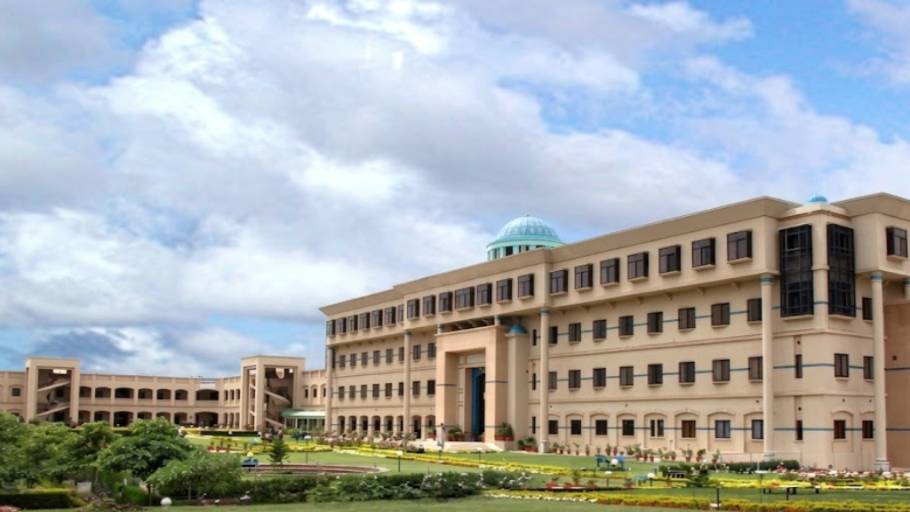
Top universities in Pakistan is one of those searches every Pakistani student and parent does when intermediate results come out. The stakes feel enormous. Choose the right university and career doors open. Choose wrong and years of your life get wasted at a place that doesn’t actually teach much or open doors after graduation.
Look, I’ll be honest with you about how top universities in Pakistan actually work. Most ranking lists you’ll find online are outdated, inaccurate, or straight up promotional content for whoever paid to be listed. The real picture requires looking at multiple ranking systems, understanding what different universities are actually good at, and being realistic about what Pakistani higher education can and can’t deliver.
This guide covers top universities in Pakistan with actual 2026 data. Which institutions genuinely rank highest globally. What each is known for specifically. Realistic assessment of Pakistan’s higher education system. And practical advice for students trying to make one of the most consequential decisions of their lives.
What the 2026 Rankings Actually Show
Before ranking anyone, understand where Pakistani universities actually stand globally.
QS World University Rankings 2026 included 18 Pakistani universities in the main ranking. QS Subject Rankings 2026 featured 35 Pakistani universities across nearly 180 subject entries. This is genuine progress from previous years. Pakistani higher education is slowly building international recognition.
But let’s stay honest about scale. The top Pakistani universities rank in the 300-500 range globally at best. Compared to India where multiple universities crack top 200 or China where universities regularly hit top 50, Pakistan still has significant gap to close.
According to QS World University Rankings 2026, Quaid-i-Azam University (QAU) and National University of Sciences and Technology (NUST) are essentially tied for the top position in Pakistan. Both rank in the top 400 globally. NUST secured 3rd place nationally in QS with Asia rank 68 and overall score 76. QAU took 8th national spot with Asia rank 89 and score 69.9, but leads in research productivity with 94.6 papers per faculty.
The Real Top Universities in Pakistan
Based on actual QS 2026 rankings, HEC categorizations, and consistent performance across multiple metrics, here are the top universities in Pakistan that genuinely earn their reputation.
National University of Sciences and Technology (NUST) – Islamabad based, generally considered Pakistan’s premier engineering and technology university. Strong across engineering, computer science, business, and sciences. NUST benefits from military affiliation providing consistent funding and discipline. Graduates are highly sought after by employers. Admission is extremely competitive through NET (NUST Entry Test). Tuition is significant but scholarships are available for merit and need.
Quaid-i-Azam University (QAU) – Located in Islamabad, QAU is Pakistan’s top public research university. Excels in natural sciences, physics, and social sciences. Research output is among the highest in Pakistan. Admission through university-specific tests. Fees are subsidized as it’s a public university, making it accessible to middle-class families.
Lahore University of Management Sciences (LUMS) – Consistently ranked as the best university in Pakistan among private institutions. Strong in business, economics, computer science, and liberal arts. American-style education system. Extremely expensive with annual fees running PKR 1.5-2 million+. Financial aid available for admitted students. Alumni network is genuinely powerful for career opportunities.
Aga Khan University (AKU) – Karachi based specialized medical university. Widely considered the best medical education institution in Pakistan. Also has strong education and nursing programs. Highly competitive admissions. Graduates dominate Pakistani medical field and increasingly work internationally.
Pakistan Institute of Engineering and Applied Sciences (PIEAS) – Islamabad based specialized institution focused on engineering and nuclear sciences. Consistently ranks in QS top 500. Small student body but exceptional quality. Government affiliation provides funding and graduate placement. Very competitive admission.
University of the Punjab (PU) – Lahore based, one of Pakistan’s oldest and largest universities. Strong in various fields including arts, sciences, and professional programs. Subsidized fees make it accessible. Massive alumni network across Pakistan. Some faculties genuinely excellent, others struggling.
Engineering-Focused Top Universities
For engineering specifically, several institutions dominate the higher education Pakistan landscape.
UET Lahore (University of Engineering and Technology) – Pakistan’s oldest engineering university. Traditional strength in civil, electrical, and mechanical engineering. Well-connected alumni network in engineering industries. Admission through ECAT.
GIKI (Ghulam Ishaq Khan Institute) – Located in Topi, KPK. Specialized private engineering institution with excellent reputation. Small campus, focused programs. Graduates highly recruited by multinationals. Very competitive admissions.
FAST-NUCES (National University of Computer and Emerging Sciences) – Multiple campuses across Pakistan. Widely considered top for computer science and software engineering by employers. Strong industry connections. FAST graduates dominate Pakistani software industry.
COMSATS University Islamabad – Multi-campus institution strong in computer science, engineering, and business. Growing research output. Reasonable fees for private institution. Good employer reputation.
NED University of Engineering and Technology – Karachi based public engineering university. Traditional strength in engineering disciplines. Subsidized fees. Growing research profile.
PIEAS already mentioned above for engineering excellence.
Medical Universities Worth Knowing
Pakistani medical education has specific institutions that dominate the field.
Aga Khan University Medical College – Widely considered Pakistan’s best medical school. Extremely competitive admission. High fees but graduates command international recognition.
Dow University of Health Sciences – Karachi based public medical institution. Multiple constituent medical colleges. Subsidized education. Established reputation.
King Edward Medical University – Lahore based, one of Pakistan’s oldest medical institutions. Strong clinical training tradition. Public sector fees.
Allama Iqbal Medical College – Lahore based, respected public medical institution.
Army Medical College – Rawalpindi based, military-affiliated with strong reputation.
Shaheed Zulfiqar Ali Bhutto Medical University – Islamabad based, growing reputation.
For students seriously considering medicine, understanding differences between MDCAT-based public admission (subsidized fees, extremely competitive) versus private medical education (much higher fees, less competitive but still selective) is crucial.
Business Education in Pakistan
Business schools have their own hierarchy in Pakistan’s higher education landscape.
LUMS Suleman Dawood School of Business – Widely considered Pakistan’s premier business school. Strong MBA and undergraduate business programs. American curriculum style. Extensive corporate connections. High fees.
IBA Karachi (Institute of Business Administration) – Pakistan’s oldest business school. Strong reputation for BBA, MBA, and economics. Subsidized fees for public institution. Merit-based admission. Alumni network dominates Pakistani corporate sector.
IBA Sukkur – Growing rapidly. Strong alternative to Karachi campus with lower cost.
NUST Business School – Solid MBA and business programs. Benefits from NUST reputation.
LSE (Lahore School of Economics) – Focused private institution known for economics and business.
FAST Business School – Growing business programs at various FAST campuses.
What Makes Top Universities in Pakistan Actually Good
Being honest about the best university in Pakistan requires understanding what actually matters versus what looks impressive on paper.
Faculty quality: This matters more than anything else. Top universities in Pakistan have faculty with international PhDs, actual research output, and industry connections. Second-tier universities have faculty with local PhDs and limited research. The gap shows up in classroom quality.
Research infrastructure: Real labs, actual equipment, functional libraries, working IT infrastructure. Sounds basic but many Pakistani universities struggle to provide these consistently.
Employer reputation: What matters for graduates is whether employers respect the degree. NUST, LUMS, IBA, FAST, GIKI graduates get interviews at top companies. Many other degrees don’t open those doors even if the students are equally capable.
Alumni network: Established universities have alumni in senior positions across Pakistani industry, government, and abroad. This network genuinely helps career development. LUMS and IBA alumni networks are particularly powerful.
International recognition: If you plan to study abroad or work internationally, the university name matters. Top-ranked Pakistani universities open doors that lower-ranked institutions can’t.
Research output: Universities with real research produce better educated graduates and offer more opportunities. QAU leads Pakistan in research productivity per the QS data.
The Public vs Private University Question
One of the biggest decisions in Pakistani higher education is public versus private institutions.
Public universities advantages: Massively subsidized fees. QAU, Punjab University, Karachi University, UET, and NED cost tiny fractions of private university fees. Government funding means basic infrastructure exists. Alumni networks in government and traditional industries are strong.
Public universities disadvantages: Politically influenced administration. Sometimes chaotic student politics. Facility maintenance can be inconsistent. Some faculties struggle with quality. Class sizes can be huge.
Private universities advantages: Better facilities generally. More consistent teaching quality. Smaller class sizes. Better industry connections in modern sectors. Faster administration.
Private universities disadvantages: Expensive. Very expensive at the top tier. LUMS annual fees can exceed PKR 2 million. Financial aid helps but doesn’t solve affordability for most families. Some private universities are basically diploma mills.
The reality is that top public universities (NUST, QAU, PIEAS, UET, Punjab University) often provide better education per rupee spent than mid-tier private institutions. But top private universities (LUMS, AKU, GIKI) offer experiences that public sector can’t match, if you can afford them.
Regional Universities Worth Considering
Not everyone can attend top universities in Pakistan located in major cities. Regional universities matter too.
University of Karachi – Massive public university with programs across every field. Fees are minimal. Quality varies dramatically by department. Some faculties are excellent, others struggling.
University of Peshawar – Traditional public university serving KPK. Established reputation in various fields.
University of Sindh Jamshoro – Serving Sindh with various programs. Regional importance.
Bahauddin Zakariya University Multan – Growing rapidly in recent years. Made significant jump in international rankings 2026. Strong faculties in pharmacy, agriculture, and sciences.
Islamia University Bahawalpur – Regional university with growing programs.
University of Balochistan – Serving Balochistan with public education.
For students who can’t relocate to Islamabad, Lahore, or Karachi for financial or family reasons, quality education is available at various regional public universities.
The Ranking System Reality
Understanding university rankings Pakistan requires knowing what the rankings actually measure.
QS World University Rankings use nine indicators including academic reputation (30%), citations per faculty (20%), employer reputation (15%), faculty-to-student ratio (10%), international faculty (5%), international students (5%), and other factors. This system favors research-heavy universities.
Times Higher Education (THE) rankings use similar but different methodology. Some Pakistani universities perform better in THE than QS. Bahauddin Zakariya University made major THE jump in 2026.
Higher Education Commission (HEC) Pakistan produces its own national rankings that consider Pakistani context better than international systems. HEC W-category status matters for degree recognition.
Subject-specific rankings matter more than overall rankings for specialized fields. A university ranked lower overall might be top in your specific major.
Rankings can be manipulated. Universities gaming citation counts, hiring international faculty temporarily, or optimizing for specific metrics rather than actual education quality is a real phenomenon.
The best approach is looking at multiple rankings, subject-specific performance, and honest information from current students and recent graduates rather than trusting any single ranking as definitive.
Pakistani Higher Education Challenges
Being honest about top universities in Pakistan means acknowledging what’s still limiting the entire system.
Faculty quality remains inconsistent. Even top Pakistani universities have some excellent faculty and some struggling faculty. Quality is uneven across departments.
Research funding is limited compared to international peers. HEC funding has decreased in real terms over recent years. Universities struggle to maintain research programs.
International collaborations are limited. Pakistani universities have fewer partnerships with global institutions than similar countries.
Brain drain of top faculty continues. Excellent Pakistani academics regularly move abroad for better opportunities.
Political interference affects public universities. Administration changes with governments. Long-term planning suffers.
Curricula are often outdated. Emerging fields like AI, data science, and sustainability get limited attention at many universities.
Infrastructure varies dramatically. Some campuses are world-class, others are struggling to maintain basic facilities.
Employer engagement is limited. Universities and employers don’t communicate well about skills needed in the job market.
Practical Advice for Students
For students trying to choose between top universities in Pakistan, some practical guidance:
Match university to career goals: Engineering career? NUST, GIKI, FAST, UET. Medicine? AKU, Dow, King Edward. Business? LUMS, IBA. Computer science? FAST, NUST, LUMS, COMSATS. Research career? QAU, PIEAS.
Consider financial reality: Don’t destroy family finances for expensive private education if public alternatives are strong for your field. NUST and IBA can compete with LUMS for many purposes at fraction of cost.
Location matters: If you can’t live in student hostels for family reasons, being in your city matters. A local strong university often beats commuting exhaustion or family stress.
Visit before deciding: Campus visits reveal what rankings don’t show. Talk to current students. Check facilities. Meet faculty if possible.
Think about post-graduation: What are graduates actually doing? Where are they working? What salaries are they earning? This information matters more than rankings.
Consider alternatives: Some Pakistani students find that studying abroad (particularly in Malaysia, Turkey, or China for undergraduate) provides better opportunities than mid-tier Pakistani universities.
Final Thoughts
Top universities in Pakistan in 2026 represent genuine educational institutions producing capable graduates who compete globally. NUST, QAU, LUMS, AKU, PIEAS, UET, FAST, GIKI, IBA, and others have earned their reputations through decades of consistent output.
But the best university in Pakistan for you specifically depends on your field, your budget, your location constraints, and your career goals. There’s no universal ranking that applies to every student’s situation.
For Pakistani higher education overall, the trajectory is positive but slow. More universities appearing in international rankings. Research output increasing gradually. Some genuinely world-class programs emerging in specific fields. But significant gaps remain compared to global leaders.
University rankings Pakistan matters as one data point among many. Use multiple sources. Verify claims. Talk to actual students and graduates. Make decisions based on evidence rather than marketing.
For students entering this decision, take it seriously but don’t panic. Pakistan has enough quality options that most students can find good fit at accessible institutions. The wrong university choice isn’t fatal if you work hard and network effectively. The right university choice matters but so does everything you do during four years there.
That’s the honest picture of top universities in Pakistan in 2026. Real institutions doing real education. Serious problems remaining across the system. Enough quality options for most students to find good fits. And significant work still needed to raise Pakistani higher education to fully compete internationally.
Best Software Companies in Pakistan: The Real 2026 Guide



Comments