




The Inspiring Mr. Bean Life Story: From Engineering to a $150M Comedy Legend
The Mr. Bean life story is one of the most unusual paths to global fame in entertainment history. The man behind the character didn’t train as an actor. He didn’t grow up in showbusiness.
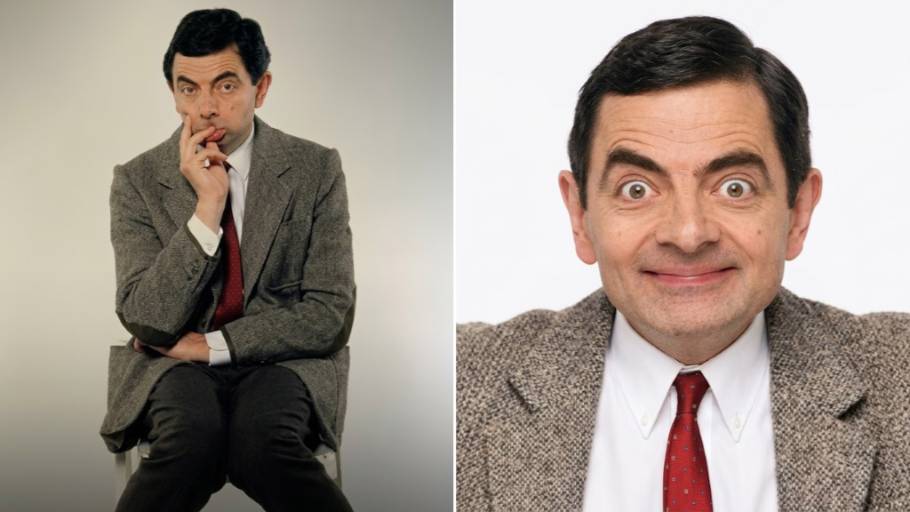
The Mr. Bean life story is one of the most unusual paths to global fame in entertainment history. The man behind the character didn’t train as an actor. He didn’t grow up in showbusiness. He studied electrical engineering at Newcastle and Oxford, came from a quiet farming family in northern England, and barely spoke in the role that made him famous worldwide. Yet that silent, awkward, rubber-faced character became one of the most recognized figures globally.
This Mr. Bean life story covers the actual journey from Consett to international fame, the development of the character that defined his career, his other significant work, and the personal life behind one of comedy’s most private major figures.
Who Mr. Bean Actually Is
Before getting into the Mr. Bean life story, the important clarification: Mr. Bean is a fictional character. The man who created and plays him is Rowan Sebastian Atkinson, born January 6, 1955, in Consett, County Durham, England. As of 2026, he’s 71 years old.
Atkinson created Mr. Bean as essentially a childlike adult who exists in his own world. The character barely speaks, finds himself in absurd situations, and solves problems in the strangest ways imaginable. The man behind the role is essentially the opposite – highly educated, soft-spoken, intensely private about his personal life, and serious about his craft. He lives in Oxfordshire with his family and avoids the public attention his work has brought.
So when people discuss Mr. Bean, they really mean Atkinson playing the character. The Mr. Bean life story is fundamentally Atkinson’s professional and personal journey.
Childhood and Early Years
Rowan Atkinson grew up in a farming family. His father Eric was a farmer and company director who died in 1981. His mother Ella May was a homemaker. He has three older brothers: Paul, Rodney (who became a well-known economist), and Rupert.
The Atkinson family was Anglican, and Rowan had a quiet countryside childhood. From early on, he was notably shy and quiet, but his brothers noticed something unusual. He could make extraordinary facial expressions even as a child. He also had a stammer that he worked to control, though he could mask it during performance.
This shy and observant childhood matters for the Mr. Bean life story because it shaped the silent, expression-based comedy style that became his signature. Many actors talk in performance. Atkinson learned to communicate through expression and physical movement instead.
Education: The Engineering Years
One of the most surprising elements of the Mr. Bean life story is that Atkinson never formally studied acting. He studied electrical engineering at world-class institutions.
He attended Durham Choristers School first, then St. Bees School in Cumbria for his secondary education. He earned a Bachelor’s degree in Electrical Engineering from Newcastle University, then moved to Queen’s College, Oxford, for his Master’s degree in the same field.
At Oxford, everything shifted. He joined the Oxford University Dramatic Society and the Experimental Theatre Club. He started performing comedy sketches with classmates including Richard Curtis, who would become his closest creative partner across multiple major projects. Atkinson and Curtis developed material that would eventually become the foundation for Mr. Bean and Blackadder.
Despite completing two engineering degrees from elite universities, Atkinson chose comedy over engineering. The Mr. Bean life story might never have existed if he’d stuck with the engineering career he was trained for.
How His Comedy Career Started
Atkinson’s first significant break came in 1979 when he joined the BBC sketch comedy show Not the Nine O’Clock News. The show became a major success in British television and won several awards. It established Atkinson as a comedic talent with timing and range that contemporaries quickly recognized.
In 1983, he co-created and starred in Blackadder with Richard Curtis and Ben Elton. Blackadder ran across four series until 1989 (Blackadder, Blackadder II, Blackadder the Third, and Blackadder Goes Forth). The show became one of the most acclaimed British sitcoms of all time, with the final season set during World War I receiving particularly strong critical recognition.
These two shows built Atkinson’s reputation as a comedy figure before the character that would define the Mr. Bean life story arrived.
The Birth of Mr. Bean
The Mr. Bean character developed slowly across years of stage performances. Atkinson tested early versions at the Edinburgh Festival Fringe and other comedy venues throughout the 1980s. The silent, childlike character form emerged from this experimentation period rather than appearing fully formed.
On January 1, 1990, the official Mr. Bean television show launched on ITV. The first episode introduced viewers to a strange man wearing a tweed jacket, driving a lime-green Mini Cooper, living alone in a tiny flat, and treating his teddy bear like a real friend. There was almost no dialogue. The humor came entirely from facial expressions, physical comedy, and increasingly absurd situations.
The launch represented the start of the most globally significant chapter of the Mr. Bean life story.
The Original Mr. Bean TV Series
The original Mr. Bean television series ran from 1990 to 1995. The total episode count is surprising: just 15 episodes across the entire run. Despite the small number, the show became a massive global success.
The reason for global popularity was straightforward. Mr. Bean barely speaks, so there’s no language barrier. People in Pakistan, India, France, Brazil, Japan, China, Egypt, and essentially every country could enjoy the show without translation. The character became one of the rare television personalities to achieve true worldwide popularity across all cultures.
The show won the Rose d’Or award at the prestigious Switzerland festival. It received BAFTA recognition. The series has been broadcast in over 200 countries and continues being shown decades after production ended. This continued international broadcasting keeps the Mr. Bean life story relevant for new generations of viewers.
The Mr. Bean Movies
After the television success, the character moved to feature films.
Bean (1997) took the character to America and earned over $251 million worldwide on a modest budget, becoming one of the highest-grossing British comedies of its era.
Mr. Bean’s Holiday (2007) sent the character traveling across France. The film earned approximately $232 million globally.
Both films extended the Mr. Bean life story significantly by introducing the character to audiences who hadn’t seen the television series. The films also demonstrated that the character worked in longer narrative formats, not just half-hour episodic comedy.
The Animated Series
In 2002, the character was reborn as an animated cartoon. The animated series allowed for more exaggerated, physically impossible comedy that live-action couldn’t achieve.
The Mr. Bean Animated Series ran across multiple seasons from 2002 to 2019, producing over 130 episodes. The animated version introduced Mr. Bean to entirely new generations of children, particularly across Asia, the Middle East, and Latin America where the show was particularly popular.
The long-running animated series is one reason the Mr. Bean life story continues being relevant for current audiences who weren’t alive during the original live-action series.
Official Channel: You can relive all the classic silent comedy moments on the Official Mr. Bean YouTube Channel, which remains one of the most-watched comedy hubs globally.
Other Major Rowan Atkinson Roles
Although Mr. Bean defined his career, Atkinson has done substantial work outside the character.
Blackadder (1983-1989): Played the lead Edmund Blackadder across all four series. Many consider Blackadder his finest work, particularly Series III and IV.
The Thin Blue Line (1995-1996): Sitcom about a British police station where he played Inspector Raymond Fowler.
Johnny English films (2003, 2011, 2018): Three movies where he played a clumsy British spy parody. The first two were significant box office successes.
Love Actually (2003): Memorable small role as a slow gift-wrapper during the Christmas shopping sequence with Alan Rickman.
Rat Race (2001): Hollywood comedy ensemble film.
Maigret (2016-2017): Serious dramatic role as the French detective Inspector Maigret in ITV’s adaptation of the Georges Simenon novels.
Man vs. Bee (2022): Netflix series where he played a man feuding with a single bee, showing his physical comedy still worked in his late 60s.
Wonka (2023): Played Father Julius in the Timothée Chalamet musical.
These roles demonstrate that the Mr. Bean life story isn’t only about one character. Atkinson is a versatile actor with dramatic capabilities he doesn’t always get credit for.
The 2012 London Olympics Moment
One of the most viewed moments in the Mr. Bean life story happened during the 2012 London Olympics opening ceremony. Atkinson appeared as Mr. Bean during a comedy sketch with the London Symphony Orchestra performing the Chariots of Fire theme. The sketch was watched by approximately 900 million people worldwide live, making it potentially one of the most-watched Mr. Bean performances ever.
The sketch demonstrated that nearly 22 years after the character launched, Mr. Bean still resonated with global audiences across all demographics.
Personal Life
Atkinson is intensely private about personal matters, which is unusual among comedians of his fame level. What’s publicly known:
He married Sunetra Sastry in 1990. She worked as a makeup artist at the BBC, where they met during Not the Nine O’Clock News production. They had two children: Benjamin (born 1993, who became a British Army officer) and Lily (born 1995, who pursued acting and music).
Atkinson and Sunetra divorced in 2015 after 25 years of marriage.
After the separation, Atkinson began a relationship with Louise Ford, a British comedian. They have a daughter together, Isla, born in 2017.
The personal chapters of the Mr. Bean life story rarely appear in media because Atkinson actively avoids public attention outside his professional work.
The Car Obsession
A distinctive element of the Mr. Bean life story is Atkinson’s serious enthusiasm for cars and motorsport. He’s not just a celebrity car owner. He’s a genuine motoring journalist who writes professional reviews for car magazines and a serious driver who has competed in actual racing.
Notable cars he has owned include the McLaren F1 (which he crashed twice but sold for a record-breaking $12 million in 2015), Aston Martin V8 Zagato, Lancia Delta Integrale, Honda NSX, Audi A8, Ford Falcon, and multiple Porsche models.
Car experts respect him as a genuinely skilled driver rather than just a celebrity owner. He has written for Car magazine and other respected motoring publications.
Net Worth and Career Earnings
Atkinson’s estimated net worth in 2026 is approximately $150 million USD. Income sources have included:
The original Mr. Bean television series and its global syndication royalties
The Mr. Bean and Mr. Bean’s Holiday feature films
The Johnny English film franchise
Blackadder royalties continuing decades after original production
Voice acting for the Mr. Bean animated series
Various smaller film and television projects
His luxury car collection appreciation, particularly the McLaren F1
Brand endorsements throughout his career
The financial trajectory of the Mr. Bean life story shows how a relatively low-budget British comedy character developed into a global entertainment business.
Why Mr. Bean Became So Universally Popular
Several specific reasons made Mr. Bean uniquely successful globally:
No language barrier: The character barely speaks, removing the translation challenges that limit other comedy export.
Universal humor: Awkward situations, miscommunication, and self-inflicted problems translate across all cultures.
Childlike innocence: Mr. Bean is selfish and bizarre but never malicious. The character is uncomfortable but not threatening.
Cultural neutrality: No political content, no religious commentary, no controversial elements that would limit international acceptance.
Family-friendly: Safe for all ages without parental concerns, expanding the potential audience significantly.
Strong visual comedy: The physical performance translates to any cultural context.
These factors explain why audiences from Pakistan, India, the Middle East, Africa, Europe, Latin America, and East Asia all connected with the character despite vast cultural differences.
The Legacy of Silent Comedy
The legacy of the Mr. Bean life story extends beyond one character. Atkinson essentially revived silent physical comedy in an era dominated by dialogue-heavy sitcoms. He demonstrated that comedy without words could still be smart, sophisticated, and globally appealing.
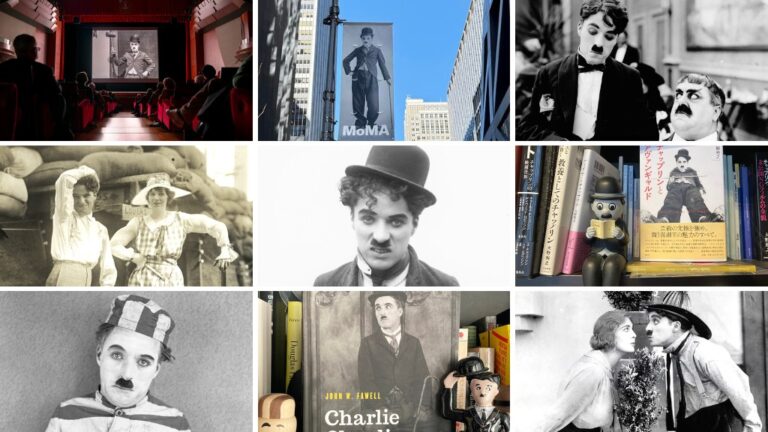
He’s often compared to Charlie Chaplin and Buster Keaton, the silent comedy legends of the early 20th century. Atkinson has acknowledged Chaplin as his major inspiration multiple times. In meaningful ways, Mr. Bean is the television-era successor to Chaplin’s Tramp character – the same archetype of the bewildered outsider navigating an absurd world, updated for new technology and contemporary contexts.
This legacy influence extends to current comedy creators worldwide. The principles Atkinson demonstrated about visual storytelling, comedic timing, and character commitment continue influencing comedy education and practice today.
Awards and Recognition
Atkinson has received significant recognition throughout his career:
Two BAFTA Awards for outstanding work
Rose d’Or Award for Mr. Bean
Honorary Doctorate from Newcastle University
Commander of the Order of the British Empire (CBE) from Queen Elizabeth II in 2013
Multiple BBC Comedy awards across his career
Comic Relief contributions that have raised substantial charity funds
The recognition reflects his contribution to British comedy and global entertainment, though Atkinson himself remains characteristically modest about these honors.
Atkinson on Comedy Today
Atkinson has spoken publicly about comedy and free expression in recent years. He has expressed concerns about social media and cancel culture affecting comedy, defending the importance of being able to joke about uncomfortable subjects. These views have made him occasionally controversial despite his careful private nature.
His perspective comes from someone who built a global career on character comedy without political content, observing changes in what’s acceptable in comedy from a relatively neutral position.
Personal Stats
| Category | Details |
|---|---|
| Real Name | Rowan Sebastian Atkinson |
| Born | January 6, 1955, Consett, County Durham, England |
| Age in 2026 | 71 |
| Nationality | British |
| Education | Newcastle University (BSc Electrical Engineering), Queen’s College Oxford (MSc Electrical Engineering) |
| Profession | Actor, Comedian, Screenwriter, Producer |
| Famous For | Mr. Bean, Blackadder, Johnny English, The Thin Blue Line |
| First Mr. Bean Episode | January 1, 1990 |
| Total Mr. Bean Episodes | 15 (original live-action series) |
| Mr. Bean Films | Bean (1997), Mr. Bean’s Holiday (2007) |
| Spouses | Sunetra Sastry (1990-2015), Louise Ford (partner since around 2014) |
| Children | Benjamin (1993), Lily (1995), Isla (2017) |
| Parents | Eric Atkinson (farmer, d. 1981), Ella May Atkinson |
| Siblings | Paul, Rodney, Rupert Atkinson |
| Major Honors | CBE (2013), Two BAFTAs, Rose d’Or |
| Net Worth (2026) | Approximately $150 million USD |
| Notable Hobby | Car collecting and motorsport racing |
| Residence | Oxfordshire, England |
Final Thoughts
The Mr. Bean life story is the journey of a shy engineering student from a small farming town who became one of the most globally recognized comedians in entertainment history. He didn’t pursue fame in traditional ways. He didn’t rely on dialogue. He didn’t need elaborate character backstory. He created a strange silent character and committed completely to performing it across decades.
From the farms of County Durham to international audiences in 200+ countries, the Mr. Bean life story demonstrates that distinctive talent can come in unexpected forms. Sometimes it shows up as a quiet engineering student who happens to have extraordinary facial expressiveness and physical comedy timing.
The Mr. Bean life story continues being relevant decades after the original series ended because the character genuinely transcends cultural and language barriers in ways few other entertainment figures have managed. New generations discover Mr. Bean through animated episodes, syndicated reruns, YouTube clips, and references in current culture. The work continues finding audiences.
That’s the actual story behind one of comedy’s most distinctive figures – someone who chose an unexpected path, committed to a strange vision completely, and created something that genuinely connected with people across the world.
Read More:Rowan Atkinson turned his engineering background into a creative masterpiece. If you’re looking to build your own successful career path, check out the best skills to learn to make money in 2026.

Comments