




How to Get a Job in Norway: Jobs, Requirements and Tips
Norway is one of those countries that sounds almost too good to be true when you first hear the numbers. Average monthly salaries of NOK 52,000 to 56,000. Some of the strongest worker protections in the world. A welfare system that genuinely functions. A work-life balance that most countries talk about but never deliver.
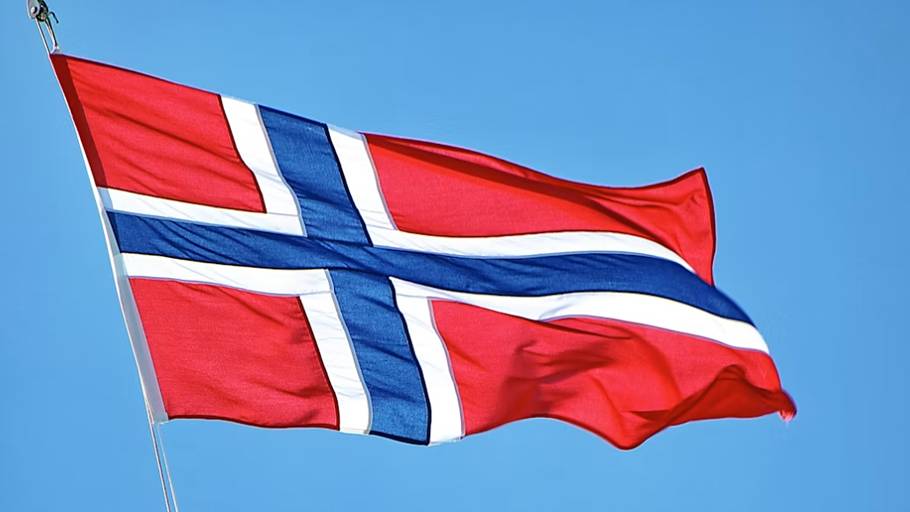
Norway is one of those countries that sounds almost too good to be true when you first hear the numbers. Average monthly salaries of NOK 52,000 to 56,000. Some of the strongest worker protections in the world. A welfare system that genuinely functions. A work-life balance that most countries talk about but never deliver. And right now in 2026, the country is actively short of workers in multiple sectors and looking abroad to fill the gap.
If you have been wondering how to get a job in Norway, whether you are a skilled professional, a tradesperson, or someone willing to do physical work, this guide covers everything you need to know. Work permits, salary thresholds, where the Norway job opportunities actually are, highest paying jobs in Norway, and the practical steps that move you from interested to employed.
Why Norway Is Worth the Effort
Before getting into how to find a job in Norway, it helps to understand why so many people are trying to do exactly that.
The average annual salary in Norway is approximately NOK 630,000 to 670,000, which translates to about NOK 52,000 to 56,000 per month gross. After tax, typical net monthly pay ranges between NOK 36,000 and 40,000 depending on tax class and deductions. That puts Norway among the highest-paying countries in Europe by any measure.
Norway’s sovereign wealth fund, the Government Pension Fund Global, is valued at over $1.7 trillion and is the largest in the world. It underpins economic stability in a way that insulates the Norwegian job market from the volatility that affects other economies. Wage growth in 2024 and 2025 was around 4.4 to 5.5 percent annually and projections indicate 1.5 percent real wage growth continuing through 2027.
Jobs in Norway for foreigners are genuinely available right now because the country faces persistent labour shortages across multiple sectors. According to NAV, the Norwegian Labour and Welfare Administration, Norway needs around 39,000 specialists. Skilled trades account for 16,850 unfilled positions. Health and social services account for 11,450. Software developers, cybersecurity specialists, engineers, and teachers round out the most critical shortage occupations. This is not a country turning away foreign workers. It is a country that needs them.
Who Can Work in Norway Without a Permit
The first thing to understand when learning how to get a job in Norway is your legal status as a worker.
EU and EEA citizens have the right to work in Norway freely without a work permit. If you are a citizen of any European Union or European Economic Area country, you can move to Norway and take up employment without going through the visa and permit process described below. This makes Norway particularly accessible for Europeans and is one reason why large numbers of workers from Poland, Lithuania, Germany, and other EU countries have made up a significant portion of Norway’s foreign workforce.
Non-EU and non-EEA citizens need a residence permit for work, formerly called a work permit, to work in Norway for more than 90 days. The process requires a job offer from a Norwegian employer and meeting minimum salary thresholds that were significantly increased from September 2025. The permit is issued by UDI, the Norwegian Directorate of Immigration.
How to Get a Job in Norway: The Work Permit Process for Non-EU Citizens
The process for obtaining a work permit has changed significantly since February 2026. Since 19 February 2026, the employer must first submit a job offer confirmation through UDI before the applicant can submit their own application form. This is different from the previous process where the applicant could initiate the application independently.
The steps work like this. First, you secure a job offer from a Norwegian employer. The employer then submits a job offer confirmation via the UDI online system. You receive a confirmation code. You then submit your residence permit application online at udi.no. The application fee for adults is NOK 6,300. Processing typically takes one to two months. You may enter Norway before the decision if you are visa-free. After three years of continuous residence, you can apply for permanent residency.
The salary thresholds that apply to your application as of September 2025 are NOK 522,600 per year for bachelor’s level roles and NOK 599,200 per year for master’s level roles. These are minimum floors that apply even if the job offer states a lower amount. Athletes and self-employed workers have a separate minimum of NOK 325,400 per year.
How to Find a Job in Norway: Where to Actually Look
Knowing how to find a job in Norway means knowing which platforms and channels actually produce results for foreign applicants.
Nav.no is the official Norwegian Labour and Welfare Administration jobs portal and the largest single source of legitimate job listings in the country. It lists positions across all sectors and is the first place serious job seekers should look when figuring out how to find a job in Norway.
Finn.no is Norway’s largest general classifieds platform and includes a substantial jobs section that covers everything from senior professional positions to manual work. LinkedIn is as relevant in Norway as anywhere else for professional and technical roles, and Norwegian employers are active on it. EURES, the European Employment Services network, is specifically designed to match EU citizens with Norway job opportunities and non-EU workers can use it as a research tool.
Recruitment agencies specialising in foreign placements are another practical channel for jobs in Norway for foreigners. Agencies like Adecco Norway, Manpower Norway, and sector-specific recruiters handle a significant volume of international placements particularly in construction, fish processing, and healthcare.
Direct applications to Norwegian companies are also effective, particularly in sectors like oil and gas, technology, and maritime where companies like Equinor, Aker Solutions, and DNV have established international hiring practices. Equinor, Norway’s largest energy company headquartered in Stavanger with over 23,000 employees, is actively hiring engineers, project managers, and data scientists for both traditional energy and green transition projects. Their starting salary for a mid-level engineer is around NOK 750,000 to 850,000 plus stock options.
Norway Job Opportunities by Sector
Understanding where Norway’s job opportunities actually exist is essential for anyone seriously pursuing employment there.
Construction is one of the largest employers of foreign workers in Norway. Major infrastructure projects, residential building, and commercial development create consistent demand for labourers, carpenters, concrete workers, scaffolders, and general construction workers. Most construction sites operate in English or use multilingual safety briefings. The construction minimum wage for skilled workers is approximately 21 EUR per hour.
Fish processing and aquaculture is a sector that surprises many people when researching jobs in Norway for foreigners. Norway is the world’s second-largest seafood exporter and fish processing factories along the coast, particularly in Northern Norway, employ thousands of foreign workers for filleting, packing, quality control, and production line work. Accommodation is almost always provided. Work can be seasonal or year-round, and Norwegian language skills are not typically required.
Healthcare is where the labour shortage is most acute and most urgent. The share of residents over 67 in Norway is projected to grow from 16 to 22 percent by 2040, placing enormous pressure on hospitals and elderly care facilities. Hospitals including Oslo University Hospital, Haukeland University Hospital in Bergen, and St. Olavs Hospital in Trondheim are actively recruiting internationally, particularly for specialist nurses in intensive care, geriatrics, and mental health. The requirement that most people miss: B1 to B2 Norwegian language proficiency is required for healthcare roles due to patient safety regulations, and authorization from the Norwegian Directorate of Health adds around three months to the process.
Information technology is one of the fastest-growing sources of Norway job opportunities for internationally mobile professionals. Software developers earn NOK 600,000 to 900,000 annually. Cybersecurity consultants can earn up to NOK 1,200,000. The sector largely operates in English which removes the language barrier that blocks entry to healthcare and some public sector roles.
Energy, both traditional oil and gas and the rapidly growing renewables sector, is where the highest paying jobs in Norway for foreign professionals are concentrated. Offshore platform workers typically earn top salaries with rotation schedules of two weeks on and four weeks off. Stavanger and Bergen are the primary hubs. The green transition is creating new Norway job opportunities in offshore wind, hydrogen, and energy systems alongside the existing petroleum sector roles.
Highest Paying Jobs in Norway
For anyone trying to understand how to get a job in Norway at the top end of the salary scale, the picture from 2026 data is clear.
Shipping brokers earn an average of 172,630 NOK per month, making this among the highest paying jobs in Norway by any measure. Oil and gas managers earn around 132,900 NOK per month. Financial services managers earn 126,920 NOK per month. These figures represent the very top of the Norwegian earnings distribution.
For roles realistically accessible to foreign workers with relevant qualifications, the highest paying jobs in Norway are in energy engineering, cybersecurity, IT architecture, and specialist medical roles. Salaries for in-demand roles range from NOK 450,000 for entry-level positions to over NOK 1,700,000 for specialised roles like AI architects. Software developers earn NOK 600,000 to 900,000. Nurses earn NOK 500,000 to 700,000. Electricians earn NOK 550,000 to 700,000.
Almost 68 percent of wage earners are actually paid less than the national average, which is an important Norweigan salary fact. The average is pulled up by a small number of very high earners in specialised private sectors. For most people working in Norway, a realistic net monthly take-home is NOK 30,000 to 40,000 depending on sector and experience, which is still excellent by European standards.
Quick Reference: Norway Job Opportunities by Sector
| Sector | Annual Salary Range (NOK) | Language Required | Permit Needed (Non-EU) |
|---|---|---|---|
| Oil and Gas Engineering | 750,000 to 1,200,000 | English sufficient | Yes |
| IT and Software | 600,000 to 900,000 | English sufficient | Yes |
| Cybersecurity | 700,000 to 1,200,000 | English sufficient | Yes |
| Healthcare (Nurses) | 500,000 to 700,000 | Norwegian B1-B2 | Yes + authorization |
| Construction (Skilled) | 450,000 to 650,000 | Basic Norwegian helpful | Yes |
| Fish Processing | 350,000 to 500,000 | Not required | Yes |
| Teaching | 450,000 to 600,000 | Norwegian required | Yes |
| Electricians | 550,000 to 700,000 | Norwegian helpful | Yes |
The Language Question
Norwegian language skills are one of the most important factors in how quickly and easily you can advance in Norway’s job market, and this is the part of the how to get a job in Norway process that most guides underemphasise.
For IT, offshore energy, and some international company roles in Oslo, English is sufficient and many workplaces operate primarily in English. For construction, warehouse, and fish processing work, basic Norwegian or working without language skills is manageable. For healthcare, teaching, and most public sector roles, Norwegian is not optional. B1 to B2 level is required before you can legally practise in regulated professions.
The practical advice is this: if you are planning to build a long-term life in Norway, start learning Norwegian before you arrive. Free courses are available through Norwegian municipalities for registered residents. Online resources including Duolingo and NRK’s language learning tools are widely recommended. Getting to conversational Norwegian within your first year opens doors that remain closed to English-only speakers regardless of professional qualifications.
What Norwegian Employers Actually Want
Understanding how to find a job in Norway also means understanding what employers in Norway look for that is different from other countries.
Norwegian workplaces are generally flat in hierarchy. The boss is often on first-name terms with everyone, participates in the same coffee breaks, and expects to be questioned if someone disagrees. Showing initiative, speaking up in meetings, and being a genuine team contributor matters more than formal deference to seniority. This is a genuine cultural difference that some international candidates miss.
The Norwegian CV format is concise. Two pages maximum, no photo in most cases, focused on specific achievements and experience rather than a long list of responsibilities. Cover letters are shorter than in many countries and should address the specific role rather than being a general self-introduction.
The hiring priority goes to Norwegian and EEA citizens first in most roles. To stand out as a non-EEA applicant, you need a carefully tailored application, demonstrable skills that are in shortage, and genuine enthusiasm. Norwegians want colleagues who are both competent and approachable. A strong application that communicates both of those qualities is what moves foreign candidates to interview stage.
Practical Steps to Start Your Job Search
If you are serious about how to get a job in Norway, here is the practical sequence that works.
Start your job search on nav.no and finn.no before you arrive. Identify the sectors where your skills align with documented shortages. Set up LinkedIn with Norwegian job search terms and connect with Norwegian recruiters in your sector. If you are in IT or engineering, applications to international companies operating in Norway can be made and processed before you leave your current country.
If you are in a sector that requires Norwegian language skills, begin language learning now and have at least A2 to B1 level before applying. If you are in a sector where English is sufficient, focus on tailoring your CV to Norwegian format standards and researching specific employers.
For non-EU citizens, the permit process requires your employer’s active participation, so your job offer must come from an employer who is genuinely registered in Norway, has a legitimate need for the role, and is willing to submit the required job offer confirmation through UDI before you can proceed with your application.
The Bottom Line
How to get a job in Norway in 2026 is a question with a genuine answer: it is achievable for skilled workers across multiple sectors, particularly construction, IT, energy, healthcare, and fish processing. Jobs in Norway for foreigners are not a myth. They exist in large numbers because the country cannot fill its labour shortages domestically. Norway job opportunities are real, the salaries are among the highest in Europe, and the work-life balance is genuine rather than aspirational.
The realistic path to how to find a job in Norway involves matching your skills to documented shortages, using the right platforms, understanding the permit process for your nationality, and doing the cultural and language preparation that most applicants skip. The highest paying jobs in Norway in oil and gas, technology, and engineering are there for qualified professionals who do the preparation work. The physically demanding jobs in construction and fish processing are there for workers willing to relocate and work hard in sometimes challenging conditions.
Norway is not easy to get into on the job market. The language is unfamiliar, the work permit process has real requirements, and employer preferences favour local and EEA applicants. But for those who put in the work before they apply, it is one of the most rewarding job markets in the world to successfully enter.
Cost of Living in Germany: A Complete and Honest Guide for 2026

Comments