




How to Reduce Stress Naturally at Home: The Complete Science-Backed Guide for 2026
Stress isn’t an abstract problem anymore. It’s something that shows up as poor sleep, weight you can’t lose, headaches that come for no obvious reason, irritability with people you actually care about, and the slow grinding feeling that everything is just a bit harder than it should be.
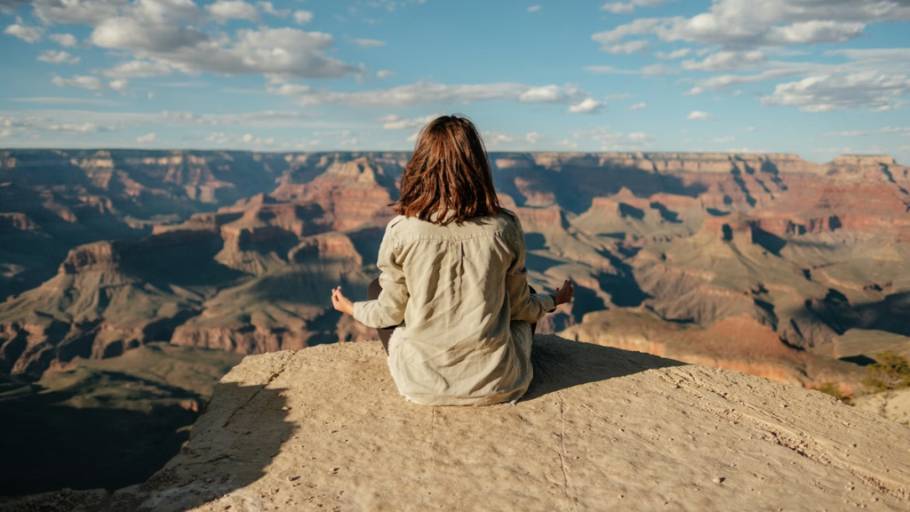
Stress isn’t an abstract problem anymore. It’s something that shows up as poor sleep, weight you can’t lose, headaches that come for no obvious reason, irritability with people you actually care about, and the slow grinding feeling that everything is just a bit harder than it should be. Modern life produces stress in ways the human nervous system wasn’t built to handle. The constant notifications. The financial pressures. The political news. The endless scrolling that promises distraction but delivers more anxiety.
Learning how to reduce stress naturally at home matters because most of us can’t quit our jobs, escape our responsibilities, or move to a cabin in the woods. The stress is going to keep coming. What you can change is how your body and mind handle it. The methods that actually work aren’t complicated, expensive, or time-consuming. They’re just hard to do consistently in the middle of stressful lives.
This guide covers what actually works based on legitimate stress research, the specific methods worth knowing, how to combine them into something sustainable, and when natural methods aren’t enough and you genuinely need professional help.
Why Chronic Stress Damages More Than Most People Realize
Before getting into specific methods, understanding what chronic stress does to the body makes the motivation to address it feel less optional.
When you encounter a stressful situation, your body releases cortisol and adrenaline. These hormones evolved for short-term emergencies. Run from the lion, then return to baseline. When stress becomes chronic and these hormones stay elevated for weeks or months, the effects compound into serious problems.
Chronic stress raises blood pressure consistently. It disrupts sleep patterns. It suppresses immune function, making you sick more often. It increases inflammation throughout the body. It impairs memory and concentration. It elevates risk of heart disease, type 2 diabetes, and depression. It accelerates aging at the cellular level.
The body wasn’t designed for the sustained stress response that modern life triggers. Knowing how to reduce stress naturally at home isn’t just about feeling better today. It’s about preventing the long-term damage that chronic stress quietly produces.
Deep Breathing Works Faster Than Anything Else
Deep breathing is the fastest method available for immediate stress reduction. It works within minutes and requires nothing except your own breath.
The mechanism is straightforward. When stress activates your fight-or-flight response, breathing becomes shallow and rapid. This keeps your nervous system in an activated state. Deliberate deep breathing reverses this by stimulating the parasympathetic nervous system, the part responsible for relaxation and recovery.
Several specific techniques work well:
4-7-8 breathing: Inhale for 4 counts, hold for 7, exhale for 8. Particularly effective for falling asleep or calming intense anxiety. Developed by Dr. Andrew Weil based on yoga breathing practices.
Box breathing: Inhale 4, hold 4, exhale 4, hold 4. Used by military and emergency personnel for high-stress situations. Particularly good for daytime stress.
Diaphragmatic breathing: Slow deep breaths from your belly rather than chest. Place hand on belly and ensure it rises with each inhale. Effective for general stress reduction throughout the day.
5-10 minutes of any of these practices produces measurable cortisol reduction and nervous system regulation. The bigger benefit comes from doing them daily rather than only during acute stress.
Exercise as Long-Term Stress Reduction
Exercise is one of the most thoroughly researched stress interventions, and the evidence is overwhelming.
Physical activity releases endorphins, your brain’s natural mood-elevating chemicals. It simultaneously reduces cortisol levels. It improves sleep quality, which further reduces stress hormones. Over time, regular exercisers develop more resilient stress responses than sedentary people, handling the same situations with less physiological disruption.
The threshold for benefit is lower than people think. Studies consistently show 20 to 30 minutes of moderate activity produces measurable stress reduction. A Stanford study found that walking generated more creative ideas than sitting, and the mood boost continued after the walk ended.
You don’t need a gym for any of this. A brisk 30-minute walk works. Home yoga sessions work. Dancing in your living room works. Bodyweight exercises in a small space work. The body doesn’t distinguish between expensive equipment and basic movement.
What matters is consistency. Three to four sessions weekly produces dramatically better results than occasional intense workouts. The cumulative effect of regular movement is what builds lasting stress resilience.
Mindfulness and Meditation
Mindfulness practice physically changes the brain over time. Neuroscience research using brain imaging shows that regular meditation reduces activity in the amygdala, the region responsible for stress and fear response, while strengthening the prefrontal cortex, which handles rational thinking and emotional regulation.
10 minutes of daily mindfulness practice produces meaningful changes within 4-8 weeks for most people. The practice doesn’t need to be perfect. It just needs to happen regularly.
What works for beginners:
Guided meditations through apps like Headspace, Calm, Insight Timer, or Ten Percent Happier. Most have free options and structured beginner courses.
Body scan meditation: systematically focus attention on each part of your body from feet to head, noticing sensations without trying to change them.
Mindful breathing: simply observe your breath without trying to control it. When mind wanders (it will), return to breath without self-criticism.
Progressive muscle relaxation: tense each muscle group for 5 seconds, then release. Move from feet to face. Particularly effective for people who hold stress physically.
The common beginner mistake is expecting your mind to go blank or feeling like you’re doing it wrong because thoughts keep coming. That’s not what meditation is. Thoughts come. You notice them and return to your focus. That’s the practice.
Quality Sleep Solves Half the Problem
Poor sleep and stress exist in a feedback loop that’s hard to break unless you address both simultaneously.
Poor sleep increases cortisol the next day and makes everything feel more stressful than it would after adequate rest. Increased stress then makes it harder to sleep, perpetuating the cycle. People who fix their sleep often find their stress decreases dramatically without addressing stress directly.
What helps:
Consistent sleep and wake times, even on weekends. Your circadian rhythm benefits from predictability.
No screens for at least 30 minutes before bed. The blue light suppresses melatonin and the content keeps your mind activated.
Cool, dark, quiet bedroom. Body temperature drops during sleep and needs to be supported.
No caffeine after early afternoon. The half-life of caffeine is 5-7 hours.
No large meals within 3 hours of bedtime.
Adults need 7-9 hours nightly. People sleeping fewer than 6 hours consistently have measurably elevated cortisol and reduced ability to cope with stressors.
If you can’t sleep adequately, every other stress management technique works less effectively. Sleep is the foundation everything else builds on.
Time in Nature
Spending time outdoors is one of the most underused effective stress interventions available.
Research consistently shows even 10 minutes in a natural setting produces measurable improvements in psychological and physiological stress markers. A study found participants who walked 90 minutes through nature reported significantly lower rumination, the repetitive negative thinking that keeps stress elevated, compared to urban walkers.
Even if you live in a city, seeking green spaces produces real cortisol reduction. Parks. Gardens. Tree-lined streets. Forest bathing, the Japanese practice of being present in natural settings without technology, is recognized clinically in Japan and South Korea as legitimate stress reduction.
Morning sunlight exposure provides additional benefits. It regulates cortisol and serotonin rhythms that affect mood and stress through the day. Even 10-15 minutes of morning outdoor light produces noticeable improvements over time.
Social Connection as Health Intervention
Humans are biologically wired for social connection. Isolation consistently amplifies stress while genuine connection reduces it.
Research shows social support directly buffers the negative health effects of stress. Talking to people you trust reduces cortisol levels and activates brain reward pathways that create a physiological sense of safety.
Important distinction: a phone call with a close friend has measurably different effects from passive social media scrolling. Heavy social media use is actually associated with increased stress, anxiety, and social comparison rather than genuine connection.
What helps for genuine connection:
Regular calls or video chats with people you actually trust, not just casual acquaintances. In-person time with family or close friends, even briefly. Joining communities around shared interests (book clubs, hobby groups, religious communities). Limiting interactions that consistently leave you feeling worse rather than better.
The quality of social connection matters more than quantity. Several real conversations weekly do more than dozens of shallow social media interactions.
Master the science of calm with Harvard Medical School’s Guide to Relaxation Response.
Nutrition and Stress
What you eat affects how your body handles stress through the gut-brain connection. The gut microbiome influences mood, anxiety, and stress resilience through pathways researchers are still mapping.
Foods that support stress management:
Magnesium-rich foods: dark leafy greens, nuts, seeds, dark chocolate. Magnesium is directly involved in stress response regulation and gets depleted during chronic stress.
Omega-3 fatty acids: salmon, sardines, walnuts, flaxseeds. Reduce inflammation and support brain function.
Complex carbohydrates: whole grains, legumes, vegetables. Support stable blood sugar and serotonin production.
Fermented foods: yogurt, kefir, sauerkraut, kimchi. Support gut microbiome that affects mood.
Adequate protein at meals: stabilizes blood sugar and prevents the irritability and anxiety that come from blood sugar crashes.
What undermines stress management:
Heavy sugar consumption causes blood sugar spikes and crashes that amplify stress responses. Excessive caffeine increases anxiety and disrupts sleep. Heavy alcohol consumption affects both stress hormones and sleep quality. Heavily processed foods affect gut microbiome and inflammation.
Adequate hydration matters too. Even mild dehydration measurably increases cortisol levels.
Aromatherapy and Warm Baths
Scent has a direct neural pathway to the brain’s limbic system, which governs emotion and stress response. This is why certain smells can instantly change how you feel.
Essential oils with research support:
Lavender has the most robust evidence. Multiple studies show it reduces anxiety, lowers cortisol, and improves sleep.
Bergamot has documented stress-reducing effects.
Chamomile for relaxation and sleep support.
Ylang-ylang for anxiety reduction.
Practical use: diffuse during work or before sleep, add a few drops to a warm bath, apply diluted oil to pulse points, or use sleep sprays on pillows.
Warm baths themselves are independently effective. Immersion in warm water activates the parasympathetic nervous system and reduces muscle tension that accumulates with stress. 20 minutes in warm water with Epsom salts produces genuine stress reduction.
Music as Mood Tool
Music affects mood and stress through brain regions that govern memory, emotion, and physiological response. Slow-tempo music around 60 beats per minute is most effective for stress reduction because it can bring heart rate and breathing into a calmer rhythm.
Genres that consistently work for stress reduction:
Classical music, particularly Baroque period. Ambient soundscapes. Nature sounds (rain, ocean, forest). Lo-fi instrumental music. Traditional meditation music.
Creating a dedicated playlist for stress relief and playing it during stressful parts of your day is a practical application of this research. Headphones improve the effect by isolating you from environmental distractions.
What doesn’t reduce stress: aggressive or loud music with personal emotional resonance to difficult memories, news, or content designed to provoke reactions.
Limiting Digital Overload
One of the most overlooked stress sources in modern life is the constant low-grade activation from notifications, news, and social media.
Each notification triggers a small stress response. The cumulative effect throughout a day is significant nervous system activation that prevents the recovery time stress management requires.
What helps:
Set specific times to check email and news rather than monitoring continuously. Twice daily is enough for most people.
Turn off non-essential push notifications. The world won’t end if you check apps when you choose rather than when they demand.
Establish a digital cutoff at least an hour before sleep. Blue light affects melatonin and content keeps mind activated.
Take phone-free breaks during the day. Even 30 minutes phone-free between meetings or during meals produces noticeable recovery.
Consider digital sabbaths. One day weekly without social media or news consumption.
These boundaries aren’t about avoiding reality. They’re about giving your nervous system uninterrupted recovery time that actual stress reduction requires.
Quick Reference: What Works and When
| Method | Time Needed | Best Used For |
|---|---|---|
| Deep breathing | 5-10 min | Immediate relief |
| Exercise | 20-30 min | Long-term resilience |
| Mindfulness | 10-20 min | Emotional regulation |
| Sleep | 7-9 hours | Foundation of everything |
| Nature time | 10-20 min | Cortisol reduction |
| Social connection | Varies | Emotional buffering |
| Nutrition | Ongoing | Gut-brain support |
| Aromatherapy | 10-30 min | Relaxation response |
| Music | Anytime | Mood and cortisol |
| Digital limits | Daily habit | Chronic stress prevention |
Building a Sustainable Routine
Knowing how to reduce stress naturally at home matters most when these methods become daily habits rather than crisis interventions.
A morning routine that works for many people: 10 minutes of meditation or breathing, natural light exposure during breakfast, no phone for the first 30 minutes after waking.
A workday structure that reduces stress accumulation: short walks during breaks, deep breathing between tasks, defined work hours rather than constant availability, lunch away from your desk.
An evening routine that protects sleep: digital cutoff 1 hour before bed, warm bath or shower, calming music or reading, consistent bedtime, cool dark room.
The research on stress consistently shows that consistency matters more than intensity. Small daily habits produce neurological and hormonal changes over 2-4 weeks that occasional big interventions cannot replicate.
When Natural Methods Aren’t Enough
Every method in this guide is supported by scientific evidence and appropriate for most adults dealing with everyday stress. However, some situations need more than self-management:
Severe persistent stress that significantly impairs work, relationships, or daily functioning. Symptoms of clinical anxiety or depression that don’t improve with lifestyle changes. Stress connected to trauma that brings up specific memories or responses. Stress combined with thoughts of self-harm. Physical symptoms (chest pain, severe insomnia, persistent panic attacks) that may indicate medical issues.
In these situations, professional support matters. A qualified therapist can provide cognitive behavioral therapy, which has the strongest evidence base of any psychological intervention. A doctor can rule out medical conditions and provide medication when appropriate.
Recognizing when you need professional help is an act of self-care rather than failure of these methods. Natural stress reduction works alongside professional treatment, not instead of it for serious conditions.
Final Thoughts
How to reduce stress naturally at home isn’t a single technique. It’s a combination of habits that lower baseline stress, improve nervous system resilience, and build the capacity to handle life’s pressures without being overwhelmed.
The methods that consistently work are the boring fundamentals. Sleep enough. Move your body daily. Spend time outdoors. Eat real food. Connect with people you trust. Limit unnecessary stimulation. Breathe deliberately when you need to calm down quickly.
For most people, starting with one or two changes that fit current life produces better results than trying to overhaul everything at once. Maybe it’s a 20-minute walk daily. Maybe it’s 10 minutes of meditation. Maybe it’s a digital cutoff before sleep. Pick something you can actually sustain for 4-6 weeks. Build from there.
The compound effect of small consistent stress management practices over months produces dramatically different baseline stress levels than occasional crisis interventions. Your nervous system can be retrained toward greater resilience. It just takes consistent practice over weeks rather than perfect execution for a few days.


Comments