




Simple Home Workout for Beginners: A Complete Step-by-Step Guide for 2026
The hardest part of starting a fitness routine isn’t the workout itself. It’s everything around it. Gym intimidation, equipment confusion, conflicting advice from social media trainers, and the feeling that you need to know what you’re doing before you even start. Home workouts solve most of this. No commute. No watching eyes.
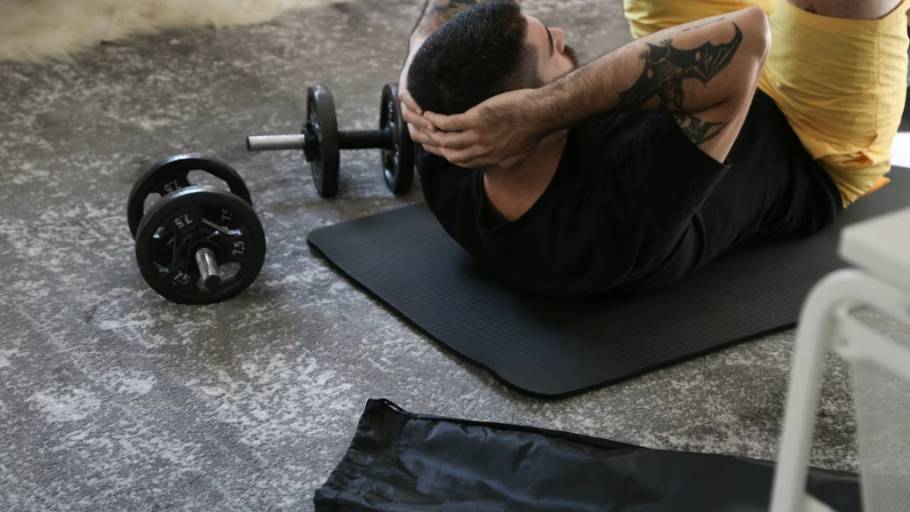
The hardest part of starting a fitness routine isn’t the workout itself. It’s everything around it. Gym intimidation, equipment confusion, conflicting advice from social media trainers, and the feeling that you need to know what you’re doing before you even start. Home workouts solve most of this. No commute. No watching eyes. No expensive equipment required. Just you, some floor space, and 20-30 minutes.
A simple home workout for beginners doesn’t need to be complicated to be effective. The basic exercises that work are the same ones humans have been doing for decades. Squats, push-ups, lunges, planks, some cardio movement. Done with proper form and reasonable consistency, these alone produce significant fitness changes over weeks and months.
This guide covers what actually works for beginners starting at home, the specific exercises worth learning first, how to structure a sustainable routine, common mistakes that derail progress, and the realistic timeline for seeing results.
Why Home Workouts Work So Well for Beginners
The advantages are practical rather than philosophical.
You can start today without any planning, equipment shopping, or gym membership signups. Workouts fit into time gaps in your schedule rather than requiring you to organize your day around them. You can learn form without feeling watched, which matters more than people admit. Bad days don’t waste a gym trip. Equipment isn’t a barrier because bodyweight exercises produce real results.
The flip side: nobody is watching to ensure you actually show up. The motivation has to come from yourself. The structure has to be self-imposed. Most beginners who quit home workouts do so because they didn’t build the habit before motivation faded.
What helps: scheduling workouts at consistent times, keeping the routine very simple at first, tracking completion rather than performance metrics, and accepting that the first 4-6 weeks are about showing up rather than achieving anything specific.
Setting Up Your Space and Goals
You need very little to start. A clear area roughly 6 feet by 6 feet works. An exercise mat is helpful but not required. A water bottle nearby. Comfortable clothes that allow movement.
Optional additions that help once you’re consistent: a pair of light dumbbells (5-15 lbs depending on your strength), resistance bands, a stability ball. These expand exercise options but aren’t necessary for the first few weeks.
For goals, be specific and modest. “Get fit” doesn’t motivate consistently. “Complete three 25-minute workouts per week for the next month” does because you can track it and feel accomplished hitting it. Set process goals (workouts completed) rather than outcome goals (pounds lost) early on because process is what you control.
The Warm-Up That Actually Matters
Skipping warm-up is one of the most common beginner mistakes. Five minutes of preparation prevents injuries and improves workout quality significantly.
What works as a warm-up:
March in place for 1 minute to gradually elevate heart rate.
Arm circles, 30 seconds forward and 30 seconds backward, to loosen shoulders.
Jumping jacks for 1 minute to warm up the whole body.
Leg swings, 30 seconds each leg, to mobilize hips.
Bodyweight squats, 10 slow reps, as movement preparation.
Light shoulder rolls and torso twists for 30 seconds.
This routine takes about 5 minutes and prepares your body for the actual workout. Skip it and you’re more likely to get injured, especially as a beginner whose body isn’t used to movement patterns.
The Core Beginner Routine
This full-body workout uses bodyweight exercises and takes 20-25 minutes including rest. Do it 2-3 times per week with at least one day between sessions.
Bodyweight squats: 2-3 sets of 10-15 reps
Stand with feet shoulder-width apart, toes pointing slightly out. Lower your body as if sitting in an invisible chair. Keep chest up, knees tracking over toes (not collapsing inward), and weight in your heels. Go as low as you can while maintaining form, ideally until thighs are parallel to floor. Push through heels to stand back up.
Common mistakes: knees caving in, leaning too far forward, going up on toes, rushing the movement. Slower is better when learning.
Modified or full push-ups: 2-3 sets of 5-10 reps
If standard push-ups are too hard, start with knee push-ups or incline push-ups against a wall or sturdy table. The progression goes wall → counter → knees → full. Move up when you can do 10 controlled reps with good form.
For form: hands slightly wider than shoulders, body in straight line from head to knees (or toes for full version), lower chest toward floor while keeping elbows at about 45 degrees from body, push back up. Don’t let hips sag or arch.
Plank: 2-3 sets of 20-30 seconds
Get into push-up position with weight on forearms instead of hands. Body should form a straight line from head to heels. Engage core by drawing belly button toward spine. Breathe normally. Hold for time.
Common mistakes: hips sagging toward floor or arched up like a tent, head dropping, holding breath. Quality of position matters more than duration.
Glute bridges: 2-3 sets of 12-15 reps
Lie on back with knees bent and feet flat on floor. Press through heels to lift hips up until body forms straight line from shoulders to knees. Squeeze glutes at the top. Lower slowly.
This exercise activates muscles most people don’t use enough due to sitting all day. It also strengthens lower back.
Reverse lunges: 2-3 sets of 10 reps each leg
Start standing. Step one foot back and lower until both knees form 90-degree angles. Front knee should be over ankle, not pushed forward beyond toes. Push back up to standing. Alternate legs.
Reverse lunges are easier on knees than forward lunges and better for beginners learning the movement pattern.
Mountain climbers: 2-3 sets of 20 seconds
In push-up position, alternate bringing each knee toward chest as fast as you comfortably can while maintaining stable upper body. This combines cardio with core work.
Modify by slowing down significantly if needed. Speed comes with practice.
Dead bugs: 2-3 sets of 10 reps each side
Lie on back with arms extended toward ceiling and knees bent at 90 degrees over hips. Slowly extend opposite arm and leg toward floor while keeping lower back pressed into ground. Return to start. Alternate sides.
This trains core stability better than crunches for most beginners.
Rest Periods That Actually Matter
Rest between sets matters more than beginners realize. 30-60 seconds between sets of the same exercise allows muscles to recover enough for the next set with good form.
Rest between different exercises can be similar or slightly longer (60-90 seconds) if needed. The goal isn’t to rush through the routine. It’s to do each set with good form.
If you’re so out of breath you can’t maintain form, you need more rest, not more determination.
A Realistic Weekly Schedule
For weeks 1-4, three workout days per week is plenty:
Monday: Full body workout Tuesday: 20-30 minute walk or rest Wednesday: Full body workout Thursday: Rest or gentle stretching Friday: Full body workout Saturday: Active recovery (walking, light yoga) Sunday: Rest
The walking days matter more than they seem. Movement on rest days promotes recovery rather than hindering it.
After 4-6 weeks, you can add a fourth workout day or increase workout duration. Don’t add more before then. Building the habit matters more than intensity early on.
Cardio Without a Treadmill
Beginner cardio doesn’t require equipment. Several options work:
Walking is underrated. 30 minutes of brisk walking outside or around your space is real exercise that supports fat loss and cardiovascular health.
Marching in place with high knees works in small spaces. Add arm movements for additional intensity.
Step-ups on a sturdy chair, low bench, or stair provide cardio and leg strength simultaneously.
Jumping jacks in sets of 20-30 elevate heart rate quickly.
Skipping rope if you have one is one of the most efficient cardio exercises available. Even 5-10 minutes produces significant cardio benefit.
Dancing to music for 15-20 minutes counts as legitimate cardio if you actually move continuously.
Add 1-2 cardio sessions weekly initially, separate from strength workouts.
The Cool-Down That Helps Recovery
Skipping cool-down increases muscle soreness and reduces flexibility gains over time. Five minutes makes a real difference.
After your workout, walk slowly for 1-2 minutes to gradually lower heart rate. Then hold each stretch for 20-30 seconds:
Hamstring stretch (sit and reach for toes, or standing version) Quad stretch (pull foot toward glute while standing) Hip flexor stretch (lunge position, push hips forward) Shoulder stretch (pull one arm across body) Chest stretch (clasp hands behind back and lift) Deep breathing for 1 minute to lower nervous system activation
Stretching after exercise when muscles are warm produces better flexibility gains than stretching cold.
Learn how regular physical activity improves your long-term health via the CDC (Centers for Disease Control and Prevention).
Common Beginner Mistakes
The patterns that consistently derail beginner home workout efforts:
Going too hard too fast: Trying advanced workouts in week one produces injury and burnout. Start with the basic routine above and progress gradually.
Ignoring form: Doing 50 sloppy squats is worse than 15 good ones. Quality always beats quantity.
Skipping warm-ups and cool-downs: The 5 minutes feels optional. It isn’t.
Expecting fast results: Visible changes take 4-8 weeks of consistent effort. Internal changes (strength, energy, mood) happen faster but aren’t visible.
Comparing yourself to social media: The transformation videos and fitness influencers are showing curated content, sometimes with enhancements you don’t see. Your progress matters relative to your own starting point.
Inconsistent schedule: Three workouts weekly for 6 months produces dramatically better results than 7 workouts weekly for 3 weeks followed by quitting.
Doing only cardio or only strength: Combine both for best overall results.
Eating poorly while exercising: Workouts don’t fully offset bad nutrition. Both matter.
Not sleeping enough: Recovery happens during sleep. Inadequate sleep blocks progress.
Stopping when sore: Some muscle soreness is normal in the first few weeks. Stop only if pain is sharp or in joints.
How Nutrition Affects Results
Exercise alone produces some results. Exercise plus reasonable nutrition produces dramatically better results.
The basics that matter:
Eat enough protein. 0.7-1 gram per pound of body weight supports muscle recovery and growth.
Don’t drastically cut calories while starting exercise. Your body needs fuel to recover and adapt.
Stay hydrated. 2-3 liters of water daily affects performance and recovery noticeably.
Eat real food rather than ultra-processed alternatives.
Don’t fixate on perfect eating. Sustainable patterns matter more than perfect days.
When Will Beginners See Results
Honest timeline:
Weeks 1-2: Better energy, possibly some initial soreness, learning the movements. Almost no visible changes yet.
Weeks 3-4: Movements feel less awkward, you can do more reps with better form, energy improvements continue.
Weeks 5-8: Noticeable strength improvements, clothes may fit differently, mood and sleep typically better.
Months 3-4: Visible body composition changes possible with combined exercise and nutrition. Significant strength gains. Routine feels easier.
6+ months: Substantial transformation possible for those staying consistent. The exercises that seemed hard at week 1 feel easy.
People who quit usually do so in weeks 3-6 when novelty wears off but visible results haven’t fully appeared yet. Pushing through this period is what separates success from another failed attempt.
Mental Benefits That Show Up Fast
Physical changes take weeks to months. Mental benefits often appear within 2-4 workouts:
Better mood after exercise sessions. Reduced anxiety from regular physical activity. Improved sleep quality. Increased self-confidence from completing planned workouts. Better stress management. Sense of accomplishment that compounds over time.
These benefits often matter more day-to-day than visible physical changes and tend to be what keeps consistent exercisers consistent.
Tracking Progress Without Obsessing
What to track without becoming neurotic:
Workouts completed (most important metric for beginners). Reps and seconds you can do for each exercise. How you feel during and after workouts. Energy levels through the day. Sleep quality. Clothes fit.
What not to track obsessively as a beginner: daily weight (fluctuates too much to be useful), perfect form vs every other person’s videos, comparison to influencers or athletes.
A simple notebook or notes app entry after each workout takes 30 seconds and provides useful information weeks later about your progression.
Staying Consistent When Motivation Fades
Motivation is unreliable. Habits are reliable. The transition from motivation-based exercise to habit-based exercise usually takes 8-12 weeks of consistency.
What helps during the dip:
Make workouts as easy to start as possible. Set out clothes the night before. Schedule workouts at consistent times. Keep workouts short enough that you don’t dread them.
Track completion rather than performance. Just hitting your 3 workouts per week beats trying to hit perfect performance.
Allow imperfect workouts. A 15-minute half-effort session beats skipping entirely.
Find accountability if it helps. A workout partner, online community, or even just texting someone after each session works.
Remember why you started during low motivation periods. The reasons matter more than the daily feeling.
Final Thoughts
A simple home workout for beginners works because the fundamentals work. Bodyweight exercises done with reasonable form, consistent schedule, gradual progression, adequate recovery, and basic nutrition support produce real fitness improvements for almost anyone.
The hard part isn’t the workouts. It’s showing up consistently when motivation is low, progress feels slow, and the rest of life is competing for attention. The people who succeed aren’t superhuman. They just keep showing up while everyone else stops.
Start with the basic routine above. Three days per week. 25 minutes including warm-up and cool-down. For one month. Don’t try to do more. Don’t try to do less. Just complete those four weeks consistently.
After that month, you’ll have data about what’s working, you’ll know what feels too easy versus too hard, and you’ll have built enough habit that continuing becomes easier. From there, gradually increase intensity, duration, or frequency based on what you can sustain.
The best workout program is the one you’ll actually do. A simple home workout for beginners works precisely because it removes most reasons not to do it.
Healthy Pakistani Breakfast Ideas: The Complete Guide to Starting Your Day Right in 2026



Comments