




Best Luxury Car Brands in the World (2026): How Germany Leads Global Automotive Excellence
Walk into any luxury car showroom in Dubai, Lahore, or Munich and the staff will quietly admit something they don’t say in marketing brochures. The German hierarchy that ruled this industry for forty years is finally being challenged, and not by who anyone expected.
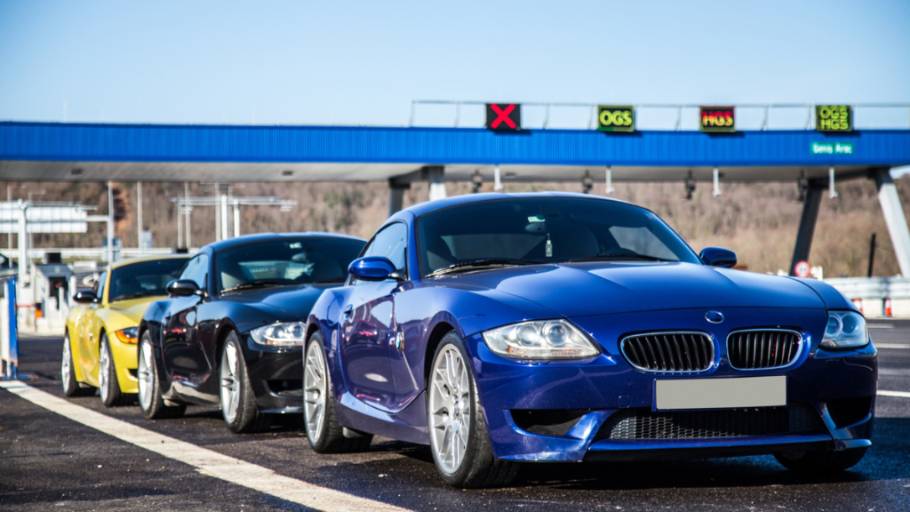
Walk into any luxury car showroom in Dubai, Lahore, or Munich and the staff will quietly admit something they don’t say in marketing brochures. The German hierarchy that ruled this industry for forty years is finally being challenged, and not by who anyone expected. Chinese brands have closed gaps that took Toyota and Hyundai decades to close. Lucid out-engineered Mercedes on range. Tesla still controls the software conversation. And yet the people actually buying cars at this price point keep coming back to Stuttgart, Munich, and Ingolstadt anyway, mostly because old prestige doesn’t fade overnight.
For most of the past century, listing the best luxury car brands in the world meant naming Mercedes-Benz, BMW, and Audi, then arguing about the order. That hierarchy hasn’t completely broken in 2026, but it’s no longer the only conversation. Lucid, Yangwang, Nio, Zeekr, and Genesis are all forcing their way into rankings that used to be reserved for German engineering and British coachbuilding.
This article looks at where Germany still genuinely leads, where competitors have caught up or moved ahead, and what actually matters when you’re spending serious money on a car in 2026 instead of reading marketing copy.
Why Germany Built the Foundation
The German dominance story isn’t accidental. Karl Benz patented the first gasoline-powered automobile in 1886. Daimler-Benz formed in 1926. The country built engineering universities, motorsport programs, and supplier networks that took a hundred years to mature.
A few real reasons Germany still leads:
Strong technical education through institutions like TU Munich, RWTH Aachen, and Stuttgart, which produce automotive engineers at scale. A supplier ecosystem (Bosch, Continental, ZF) that supports innovation no other country fully matches. Motorsport heritage that genuinely feeds technology back into road cars. Strict regulatory and quality standards that force iterative improvement. Decades of brand equity that customers worldwide trust at premium prices.
None of this is going away, but in 2026 it’s no longer the only story. Chinese automakers have built equivalent supplier networks at lower cost, Korean brands have closed quality gaps that took decades to bridge, and Tesla redefined what luxury electric vehicles can be.
The German Big Three in 2026
When buyers ask about the best luxury car brands in the world, three German names still come up before anything else.
Mercedes-Benz
Mercedes still anchors the global luxury sedan and SUV segments. The current S-Class remains the reference point that competitors get measured against. The EQS and EQS SUV represent Mercedes’s full electric push, though they’ve received mixed reviews compared to the gas S-Class for actual driving feel.
Where Mercedes wins in 2026: interior quality at the top end (especially Maybach), brand prestige in Asia and the Middle East, mature autonomous driving with Drive Pilot Level 3 in select markets, and the AMG performance lineup.
Where Mercedes is struggling: MBUX software has had persistent bugs and complaints. EQS sales have underperformed expectations. Reliability ratings have slipped compared to 15 years ago. Maintenance costs after warranty are among the highest in the industry.
BMW
BMW’s reputation as a driver’s car still holds. The M division continues to produce some of the best performance vehicles money can buy. The 7 Series and i7 represent serious flagship competition to the S-Class.
The big 2026 story is BMW’s Neue Klasse platform, which is rolling out across new electric models. It promises significantly better range, faster charging, and improved efficiency. Early reviews suggest BMW is genuinely catching up on EV technology after lagging Mercedes and Tesla for several years.
What’s less talked about: BMW’s polarizing design language in recent years (the large grilles especially), higher initial repair costs on newer iX and i7 models, and software integration that still feels behind Tesla and the Chinese EV brands.
Audi
Audi sits as the more understated option among the German Big Three. The A8 flagship is excellent but doesn’t command the same prestige as the S-Class. The e-tron GT shares its platform with the Porsche Taycan and remains one of the better-driving electric sedans available.
Audi has been quietly restructuring under Volkswagen Group’s broader EV strategy. The brand’s been criticized for slow product cycles and conservative styling that doesn’t excite younger luxury buyers the way it did in the 2010s. Still a strong brand, but no longer a clear leadership position.
Porsche: A Category of Its Own
Porsche genuinely doesn’t fit the standard luxury hierarchy. It sells fewer cars than Mercedes or BMW but commands higher margins per vehicle than almost any mainstream automaker on earth.
The 911 remains the world’s most usable sports car. The Taycan is still the gold standard electric performance car despite newer competitors. The Cayenne and Macan keep the volume numbers healthy. The Panamera offers a unique alternative in the four-door luxury space.
In 2026, Porsche is also dealing with the realities of EV transition. The pure electric Macan launched to strong reviews. The next electric 718 is coming. The brand has navigated the shift better than most legacy automakers, though traditionalists still mourn every new electric model.
Industry Insights:For detailed annual sales and market share data of premium automakers, you can visit the Automotive News Data Center.
Where the Real 2026 Competition Comes From
This is the part most luxury car articles still skip. The German hold on premium isn’t unchallenged anymore.
Chinese Luxury (The Story Everyone Missed Until It Was Too Late)
The Chinese luxury EV story exploded between 2024 and 2026. BYD Yangwang U8 and U9 brought genuine luxury and supercar performance to a price point that shocked Western manufacturers. Nio ET9 competes directly with the S-Class on technology and exceeds it on certain features. Zeekr 001 FR offers performance that matches German flagships at significantly lower prices. Hongqi (China’s traditional state luxury brand) has modernized aggressively.
What makes these brands serious in 2026 isn’t just price. It’s that the build quality, software experience, and EV technology have caught up. They’re not just cheaper alternatives anymore. They’re genuinely competitive, especially in the Chinese domestic market where they outsell German brands in several segments.
Lucid Motors
Lucid Air still holds the title for longest range of any production EV. The interior quality, drivetrain efficiency, and design have all received high praise from automotive journalists. Lucid’s struggle has been production scale and finances, but the cars themselves are genuinely competitive at the top end.
Tesla
Tesla in 2026 isn’t a disruptor anymore. It’s a mainstream luxury brand with the Model S Plaid and Model X still serving the high-performance EV crowd. Software and self-driving development continue to set industry pace, even if the cars themselves haven’t been significantly redesigned in years.
Genesis
Hyundai’s Genesis division has built a genuine luxury brand in under a decade. The G90 sedan and GV80 SUV compete directly with German flagships and frequently beat them in reliability rankings. Interior quality has caught up to Mercedes and BMW. The brand still lacks the prestige cachet of German names, but the cars are objectively excellent.
Other British and Italian Names That Still Matter
The traditional European luxury players haven’t disappeared, even if German engineering dominates the volume luxury segment.
Rolls-Royce (BMW-owned since 1998) remains the ultra-luxury benchmark. The Spectre electric coupe is the brand’s first EV and surprisingly compelling. Prices start where most luxury cars end.
Bentley (Volkswagen Group) continues with the Continental GT, Flying Spur, and Bentayga, with a full EV transition planned by 2030.
Aston Martin has had a rough decade but still produces some of the most beautiful cars in the world. The DB12 and Vantage represent the modern lineup.
Ferrari, Lamborghini, and Maserati dominate emotional luxury and Italian design. Ferrari’s road cars and Lamborghini’s increasingly tech-forward approach (Revuelto, Temerario) keep them relevant. Both companies sell out years in advance.
McLaren focuses on the supercar segment with the Artura and various track-focused special editions.
German Specialty Brands
Beyond the main four, Germany has several specialist names worth knowing.
Maybach (Mercedes ultra-luxury sub-brand) competes directly with Rolls-Royce. The S680 and the new Maybach EQS SUV define the upper edge of Mercedes’s lineup. Often the choice for buyers who want German engineering with maximum exclusivity.
Alpina officially merged into BMW Group, ending its independent existence after decades of building enhanced BMW variants. The brand continues but now as a BMW M alternative.
Brabus remains the dominant Mercedes-AMG tuner, producing modified models with significantly more power and customization than factory cars.
Bugatti is now part of Bugatti Rimac, a joint venture with Croatia’s Rimac Automobili. The brand is still based in Molsheim but the technical direction is increasingly Croatian-influenced, particularly on electrification.
What Actually Sets German Luxury Apart in 2026
Beyond marketing, what genuinely distinguishes German luxury cars:
Highway and Autobahn refinement. German cars are still designed primarily for high-speed cruising. The S-Class, 7 Series, and A8 remain exceptional at 200+ km/h in ways that few competitors can match.
Interior craftsmanship at the top end. Maybach and BMW’s Individual program produce interiors that few brands except Rolls-Royce and Bentley match.
Performance heritage. AMG, M, RS, and Porsche’s various performance lines have decades of motorsport credibility that newer brands can’t fake.
Supplier integration. Burmester, Bowers and Wilkins, and Bang and Olufsen audio systems, premium leather suppliers, and high-end material partners are deeply integrated into German production in ways that take competitors years to replicate.
Where German Luxury Cars Are Genuinely Weaker
The honest comparison isn’t always favorable to Germany:
Reliability. J.D. Power and Consumer Reports consistently rank Japanese and Korean luxury brands ahead of German on long-term reliability. Lexus, Acura, and Genesis often beat Mercedes, BMW, and Audi on dependability metrics.
Cost of ownership. German luxury cars have notoriously high maintenance and repair costs after warranty. A 6-year-old S-Class often costs more to maintain annually than the depreciation it loses.
Software experience. Tesla, Nio, and Lucid generally have smoother software experiences than German infotainment systems. MBUX, iDrive, and Audi MMI have all received complaints about bugs and complexity.
EV efficiency. German EVs are generally less efficient (lower range per kWh) than Tesla and the best Chinese EVs. The technical gap is narrowing but still exists.
Depreciation. While prestige holds value, mid-tier German luxury models often depreciate faster than equivalent Lexus or Genesis cars due to repair cost concerns.
Pricing and Real-World Context
Rough 2026 pricing benchmarks for context:
- Mercedes-Benz S-Class: $115,000 to $250,000+ depending on configuration
- Mercedes-Maybach S680: $230,000+
- BMW 7 Series: $95,000 to $200,000+
- BMW i7: $110,000 to $180,000+
- Audi A8: $90,000 to $140,000
- Porsche 911: $110,000 to $260,000+ depending on variant
- Rolls-Royce Phantom: $475,000+
- Bentley Flying Spur: $230,000 to $350,000+
- Yangwang U8: equivalent of $150,000 in China
- Lucid Air: $80,000 to $250,000+
- Lexus LS: $80,000 to $115,000
These vary by market and currency, but the rough hierarchy holds globally.
How to Choose Among the Best Luxury Car Brands in the World
If you’re actually shopping rather than just reading rankings, a few honest guidelines:
Buy German for prestige, motorsport heritage, and the driving experience. Mercedes, BMW, Audi, and Porsche all deliver on these in their own ways.
Buy Japanese or Korean (Lexus, Genesis) for reliability and lower ownership stress. Genuinely excellent cars without the maintenance anxiety.
Buy Italian (Ferrari, Lamborghini) for emotion and statement. Not daily drivers for most owners, but unmatched at what they do.
Buy British (Rolls-Royce, Bentley) for ultra-luxury and craftsmanship. Both are now German-owned but maintain distinct identities.
Buy Tesla or Lucid for cutting-edge EV experience. Best software and efficiency, though traditional luxury feel varies.
Watch Chinese brands closely. If you’re in a market where they’re sold, the value proposition is increasingly hard to ignore.
The Electric Transition and What’s Next
By 2026, every major luxury automaker has committed to electrification timelines. Mercedes plans full EV by 2030 in many markets. BMW’s Neue Klasse is rolling out across the lineup. Audi has said new internal combustion development stops in 2026. Porsche’s electric Macan and upcoming electric 718 push the transition.
The real question isn’t whether luxury cars go electric. It’s whether German brands maintain their leadership through the transition or whether Chinese and American competitors take the opportunity to leapfrog them. The next 5 to 10 years will probably decide that.
Common Misconceptions About Luxury Cars
A few things people get wrong:
- That the most expensive car is automatically the best
- That German brands are universally more reliable than they actually are
- That depreciation hurts all luxury cars equally (it doesn’t, Porsche holds value far better than Mercedes)
- That EVs cost less to maintain (true on average, but luxury EV repairs can be extremely expensive)
- That all-wheel drive is essential for luxury (depends entirely on where you live)
- That Tesla is the most advanced luxury EV (debatable, especially compared to Lucid and Mercedes EQ in certain features)
Final Thoughts
The best luxury car brands in the world in 2026 still include the German Big Three plus Porsche, but the conversation is genuinely more open than it was even five years ago. Chinese luxury EVs have become serious competitors. Lucid and Tesla have proven that American brands can compete at the top end. Genesis has shown that Korean luxury isn’t just an experiment anymore.
For buyers, the practical takeaway is this. German brands still deserve their reputation for engineering and prestige, but they’re not automatically the best choice anymore for every situation. Reliability favors Japanese and Korean luxury. Software favors Tesla and newer EV-native brands. Pure ultra-luxury still belongs to Rolls-Royce and Bentley. Sports luxury still belongs to Porsche.
The smart way to read any “best luxury car brands” list in 2026 is to remember that “best” depends on what you actually want. The German dominance is real but no longer absolute, and that’s probably a good thing for the entire industry.
Read More: Developing a career in high-tech industries like automotive engineering requires specific expertise. Check out the best skills to learn to make money in 2026 to stay ahead in the global job market.
Comments