




Top 10 Historical Places in Pakistan: Real Heritage Worth Visiting
Top 10 historical places in Pakistan is a search that doesn’t get the attention it deserves. Pakistan has some of the most significant historical sites in the world, but most lists you’ll find online are either copy-pasted from each other or focus on the same five places everyone already knows about.
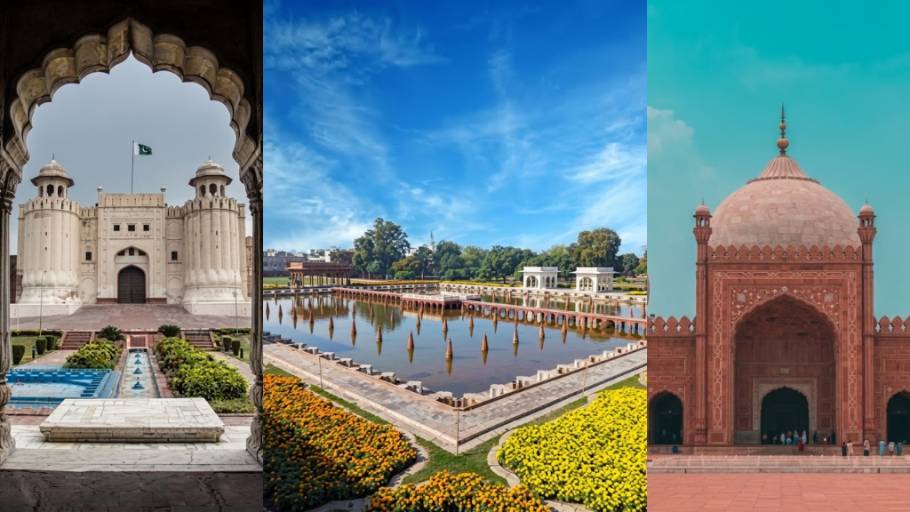
Top 10 historical places in Pakistan is a search that doesn’t get the attention it deserves. Pakistan has some of the most significant historical sites in the world, but most lists you’ll find online are either copy-pasted from each other or focus on the same five places everyone already knows about.
Honestly, Pakistan’s history is older and richer than most travelers realize. We have civilizations going back 9,000 years. Mughal architecture that rivals anything in India. Buddhist sites that pull pilgrims from Japan and Sri Lanka. Colonial-era buildings that tell the story of how the subcontinent changed. And way more variety than most tourist guides bother to cover.
This guide on top 10 historical places in Pakistan covers what’s actually worth visiting, what makes each place historically significant, practical information for visiting, and the honest picture of what you’ll experience there. Real places with real history, not just famous names.
A Quick Note on Pakistani Tourism
Before getting into the list, some honest context about visiting historical sites in Pakistan. Tourism infrastructure varies enormously across these locations.
Some places like Lahore Fort and Badshahi Mosque are well-maintained and tourist-friendly. Others like Mohenjo-daro suffer from neglect despite their global historical importance. Some require special permissions or guides. A few are in areas where security situations affect access.
For Pakistani tourists, most sites are easily accessible. For international visitors, the experience varies more based on which province and how remote the location is.
Photography is allowed at most sites but rules differ. Entry fees are usually modest for locals but have increased recently. International tourist rates are significantly higher.
Now let’s get into the actual list.
1. Mohenjo-daro (Sindh)
Starting any top 10 historical places in Pakistan list with anything other than Mohenjo-daro would be wrong. This is one of the most important archaeological sites on the planet.
Mohenjo-daro is a 5,000-year-old city from the Indus Valley Civilization. Built around 2500 BCE, it was one of the largest cities in the ancient world at its peak. The city had planned streets, sophisticated drainage systems, public baths, and granaries that show urban planning more advanced than most cities thousands of years later.
The Great Bath, the most famous structure, is essentially the world’s oldest public swimming pool. Built waterproof using carefully fitted bricks and bitumen. The fact that something this sophisticated existed in 2500 BCE is genuinely mind-blowing.
Location: Larkana district, Sindh, about 400 km north of Karachi.
Best time to visit: November to February when temperatures are reasonable. Summer is brutal.
Entry fees (2026): Rs 30 for Pakistanis, Rs 600 for foreigners.
Honest reality: The site is criminally underfunded. Erosion is damaging structures. The museum is small. Most visitors come away wishing it was better maintained. But the historical importance overwhelms the management issues.
2. Lahore Fort and Shahi Qila (Punjab)
When people think of top 10 historical places in Pakistan, Lahore Fort is usually one of the first that comes to mind for good reason.
The fort dates back centuries, with the current structure mostly built during Mughal Emperor Akbar’s reign in the 1560s and significantly expanded under Shah Jahan and Aurangzeb. The complex covers 49 acres in the heart of old Lahore.
The Sheesh Mahal (Mirror Palace) is the standout. Built by Shah Jahan in 1631, the entire ceiling is covered in millions of tiny mirror pieces creating intricate patterns. Visiting at sunset when light catches the mirrors is genuinely stunning.
The Alamgiri Gate, Diwan-e-Khas, Diwan-e-Aam, and the marble pavilions all show why Mughal architecture remains some of the most beautiful in the world.
Location: Walled City of Lahore, Punjab. Easy access from anywhere in Lahore.
Entry fee: Rs 50 for Pakistanis, Rs 500 for foreigners.
Pro tip: Visit on a Sunday morning when it’s less crowded. Hire an authorized guide for Rs 500-1000 to actually understand what you’re seeing.
3. Badshahi Mosque (Punjab)
Right next to Lahore Fort, Badshahi Mosque deserves its own entry in any top 10 historical places in Pakistan list. Built in 1673 by Mughal Emperor Aurangzeb, it was the largest mosque of the Mughal era and remained one of the largest in the world for centuries.
The scale is what hits you first. The courtyard can hold 100,000 worshippers. The four minarets stand 176 feet tall. The main prayer hall is decorated with intricate stucco tracery and stone inlay work that took years to complete.
Walking from Lahore Fort across the Hazuri Bagh garden directly into Badshahi Mosque is one of the most powerful Mughal architectural experiences you can have anywhere.
Best for photos: Late afternoon when the red sandstone glows in the golden light.
Practical note: Modest dress required. Cover your head and shoulders. Shoes off before entering. Free entry but expected to give donation if convenient.
4. Taxila (Punjab)
Taxila is one of those top 10 historical places in Pakistan that doesn’t get the international attention it deserves. This was a major center of Gandhara civilization and Buddhist learning from about 600 BCE.
The site contains ruins of multiple ancient cities built one over another across centuries. Bhir Mound (oldest), Sirkap (Greek influenced), and Sirsukh (Kushan period) show different historical layers. Alexander the Great visited Taxila in 326 BCE.
The Taxila Museum is one of Pakistan’s best, with Buddhist sculptures, Gandhara art, and artifacts from multiple periods on display. The Dharmarajika Stupa, Jaulian Monastery, and Mohra Moradu are nearby Buddhist sites that get pilgrims from East Asia.
Location: About 35 km northwest of Islamabad. Easy day trip from the capital.
UNESCO status: World Heritage Site since 1980.
Why it matters: Taxila represents the cultural crossroads where Greek, Buddhist, Persian, and Indian civilizations met. The art and learning that emerged here influenced Asia for centuries.
5. Makli Necropolis (Sindh)
Makli is one of the largest cemeteries in the world and easily belongs in any top 10 historical places in Pakistan list. Located in Thatta, Sindh, the necropolis covers about 10 square kilometers and contains an estimated 500,000 to 1 million tombs.
The tombs date from the 14th to 18th centuries. They represent the Samma, Arghun, Tarkhan, and Mughal periods. The architectural styles range from simple grave markers to elaborate mausoleums with intricate stone carving, glazed tile work, and inscriptions.
The mausoleums of Jam Nizamuddin II, Isa Khan Tarkhan II, and Diwan Shurfa Khan are particularly stunning. The stone carving on some tombs is incredible craftsmanship that rivals anything from the period anywhere in the world.
Location: Thatta district, Sindh, about 100 km from Karachi.
Entry fees (2026): Rs 50 for Pakistanis, Rs 3,000 for international tourists.
UNESCO status: World Heritage Site since 1981.
Honest take: The site needs serious preservation work. Many tombs have been damaged by weather and neglect. But what remains is still extraordinary and worth seeing before more is lost.
6. Rohtas Fort (Punjab)
Rohtas Fort might be the most impressive military fortification in any top 10 historical places in Pakistan list. Built by Sher Shah Suri in 1541 to control the region after he defeated the Mughal Emperor Humayun, it’s massive and largely intact.
The fort walls stretch over 4 kilometers around the complex. Twelve gates, each with its own design and defensive purpose. The walls are 10-18 meters tall and 10-13 meters thick in places. The Sohail Gate, the main entrance, is particularly impressive with its bastions and arrow slits.
The fort was built specifically to suppress local Gakhar tribes loyal to the Mughals. It was so well-defended that nobody ever successfully besieged it. The design influenced subsequent Mughal military architecture across South Asia.
Location: Jhelum district, Punjab. About 200 km from Lahore.
UNESCO status: World Heritage Site since 1997.
What makes it special: Most Pakistani historical sites focus on beauty. Rohtas was built for war and it shows. The military engineering is genuinely impressive.
7. Shalimar Gardens (Punjab)
Shalimar Gardens in Lahore make this top 10 historical places in Pakistan list because they represent the peak of Mughal garden design.
Built in 1641-42 by Shah Jahan (yes, the Taj Mahal guy), the gardens cover 16 hectares laid out in classic Persian char bagh style. Three terraced levels, 410 fountains, marble pavilions, fruit trees, and channels of flowing water.
The Mughals understood paradise as a garden with flowing water, fruit trees, and shaded pavilions. Shalimar is their attempt to create that paradise on earth. When the fountains are working and water is flowing, you can almost imagine it.
Location: Lahore, Punjab. Easy to combine with Lahore Fort and Badshahi Mosque visit.
UNESCO status: World Heritage Site since 1981.
Honest reality: The gardens suffered through colonial neglect and modern urban encroachment. Recent restoration has helped but the fountains don’t always work and maintenance is inconsistent. Still beautiful even in current condition.
8. Hiran Minar (Punjab)
Hiran Minar in Sheikhupura is one of the more unusual top 10 historical places in Pakistan entries. Built by Mughal Emperor Jahangir in 1606, it’s a memorial to his favorite hunting antelope named Mansraj.
The complex includes a 100-foot minaret, a square pavilion in the middle of a large rectangular tank of water, and an octagonal pavilion. The whole thing was a royal hunting retreat where Jahangir could relax between hunting expeditions.
The story is genuinely sweet. Jahangir was so fond of this particular antelope that he built an elaborate memorial when it died. How many emperors built monuments to their pet animals?
Location: Sheikhupura, Punjab. About 40 km from Lahore.
Why visit: It’s quieter than the major Lahore sites, often less crowded, and the setting around the water tank is genuinely peaceful. The architecture is interesting and the backstory is charming.
9. Mehrgarh (Balochistan)
Mehrgarh is the oldest site in any top 10 historical places in Pakistan list, going back 9,000 years. It might be the oldest farming village in South Asia and one of the earliest in the world.
Located in Balochistan, Mehrgarh shows evidence of:
- Agriculture starting around 7000 BCE
- Domestication of cattle, sheep, and goats
- Early pottery making
- Cotton textile production (earliest evidence in the world)
- Dental drilling for medical purposes around 7000-5500 BCE (genuinely real, this is the earliest evidence of dentistry anywhere in human history, published in Nature journal)
This site rewrites how we understand the development of civilization in South Asia. It predates the Indus Valley Civilization by thousands of years and shows the gradual development that eventually led to cities like Mohenjo-daro.
Location: Bolan district, Balochistan. About 200 km from Quetta.
Accessibility note: Visiting requires more planning due to remoteness and security considerations. Often visitors come through arranged tours rather than independent travel.
Why it matters: This site is genuinely globally significant in understanding human history. It deserves much more international attention than it gets.
10. Katas Raj Temples (Punjab)
Katas Raj makes the top 10 historical places in Pakistan list as the most important Hindu pilgrimage site in Pakistan. The complex contains seven ancient temples around a sacred pond.
Hindu tradition holds that the pond formed from the tears of Lord Shiva when his wife Sati died. The complex has been a pilgrimage site for over 1,500 years. The temples date from the 6th to 9th centuries CE, with some structures possibly older.
The Satgraha temples, Hanuman temple, Shiva temple, and others around the sacred pond create a unique religious and architectural complex. The Salt Range setting adds dramatic landscape.
Location: Chakwal district, Punjab. About 280 km from Lahore.
Entry fee: Free entry, though ID card or passport check happens at security.
Why visit: This represents the pre-Islamic religious heritage of Pakistan that doesn’t always get acknowledged. Pakistan still has significant Hindu, Sikh, and Buddhist heritage sites that matter for understanding the region’s full history.
Practical note: The pond level has dropped due to nearby industrial water usage. Conservation efforts continue but the site faces real challenges.
Honorable Mentions Worth Knowing About
Several sites almost made this top 10 historical places in Pakistan list and deserve mention:
- Kot Diji (Sindh): Pre-Indus Valley civilization site dating to 3300 BCE.
- Tomb of Jahangir (Punjab): Beautiful Mughal mausoleum in Lahore.
- Wazir Khan Mosque (Punjab): Stunning 1635 mosque in Lahore with incredible tile work.
- Multan: City of saints with multiple Sufi shrines and the 12th-century Tomb of Shah Rukn-e-Alam.
- Uch Sharif (Punjab): Site of ancient Sufi tombs with unique architectural style.
- Hingol National Park (Balochistan): Contains the Hinglaj Mata temple, an ancient Hindu pilgrimage site.
- Skardu and Baltistan: Historic forts and Buddhist rock carvings in the northern areas.
- Derawar Fort (Punjab): Massive desert fort in Cholistan.
- Hyderabad Fort (Sindh): Founded in 1768 by Ghulam Shah Kalhoro.
- Bhambore (Sindh): Ancient port city ruins associated with the Sassi-Punnu legend.
Why These Places Matter
The top 10 historical places in Pakistan tell a story that’s bigger than most Pakistanis realize. We’re sitting on civilization layers spanning 9,000 years:
- Mehrgarh shows early agriculture and human settlement.
- Mohenjo-daro represents one of the first urban civilizations.
- Taxila shows the meeting of Greek, Buddhist, and Indian traditions.
- Katas Raj shows pre-Islamic religious heritage.
- Lahore Fort, Badshahi Mosque, and Shalimar Gardens represent Mughal peak.
- Makli shows local Sindhi and Mughal influences combining.
- Rohtas demonstrates military engineering excellence.
- Hiran Minar shows Mughal personal moments alongside imperial grandeur.
This is genuinely world-class heritage. Other countries with this kind of historical wealth build tourism economies around it. Pakistan mostly hasn’t, and that’s a missed opportunity worth fixing.
The Honest Pakistani Tourism Reality
Visiting top 10 historical places in Pakistan comes with realities worth knowing:
Conservation is uneven. Some sites are well-maintained. Others suffer from neglect, encroachment, and weather damage. Mohenjo-daro and Makli in particular need urgent international attention.
Tourist infrastructure varies. Lahore sites are tourist-friendly. Remote sites in Sindh and Balochistan require more planning.
Security situations affect access. Some areas need permits or have travel advisories. Check current conditions before planning trips to remote areas.
Guides matter. Many sites have minimal signage explaining what you’re seeing. Hiring authorized guides transforms the experience from “old building” to “this is what happened here and why it matters.”
Photography rules differ. Most sites allow personal photography. Some restrict tripods or commercial use. Always ask.
Modest dress helps. Pakistan is generally conservative. Modest dress especially at religious sites avoids problems and shows respect.
International tourists face additional considerations. Visas, registration requirements, and travel restrictions exist. Working with reputable local tour operators usually helps.
Final Thoughts
The top 10 historical places in Pakistan represent some of the most significant heritage anywhere in the world. We have 9,000 years of human civilization layered into our geography. We have UNESCO World Heritage Sites, ancient civilizations, Mughal architectural masterpieces, and religious sites that matter to billions of people globally.
What we don’t have is the international recognition this heritage deserves. Pakistani historical sites should be on global tourism circuits. They should generate significant tourism revenue. They should be preserved properly for future generations.
For Pakistanis, visiting these places isn’t just tourism. It’s connecting with the actual layers of history that produced where we are now. The Indus Valley Civilization happened in our geography. The Mughals built their masterpieces in our cities. The Buddhist scholars studied in our hills. The Hindu pilgrims walked our paths. This is our shared heritage regardless of which group’s specific traditions you connect with most strongly.
For international visitors, the top 10 historical places in Pakistan offer experiences you genuinely can’t get anywhere else. Mohenjo-daro is one of the oldest planned cities in human history. Lahore Fort and Badshahi Mosque are Mughal architecture at its finest. Taxila is where Buddhism developed its visual language. Each site has stories that connect to global history.
The list could obviously have included different places. Pakistan has dozens of significant historical sites. The top 10 historical places in Pakistan I picked are the ones with the best combination of historical importance, accessibility, and what you’ll actually experience visiting them.
Plan trips. Visit these places. Support their preservation. Tell people about them. This heritage matters and it needs more attention from both Pakistanis and the international community than it currently gets.
That’s the real picture of Pakistan’s historical wealth.
Why Airlift Failed in Pakistan: The Story Behind a $100M Shutdown



Comments