




How Screen Time Affects Child Development: What Parents Actually Need to Know
How screen time affects child development is something every parent in 2026 is thinking about, often without knowing what the actual research says versus what social media panic suggests. The conversation has gotten louder since the pandemic when screen time exploded and never fully came back down. Schools went digital. Tablets became standard.
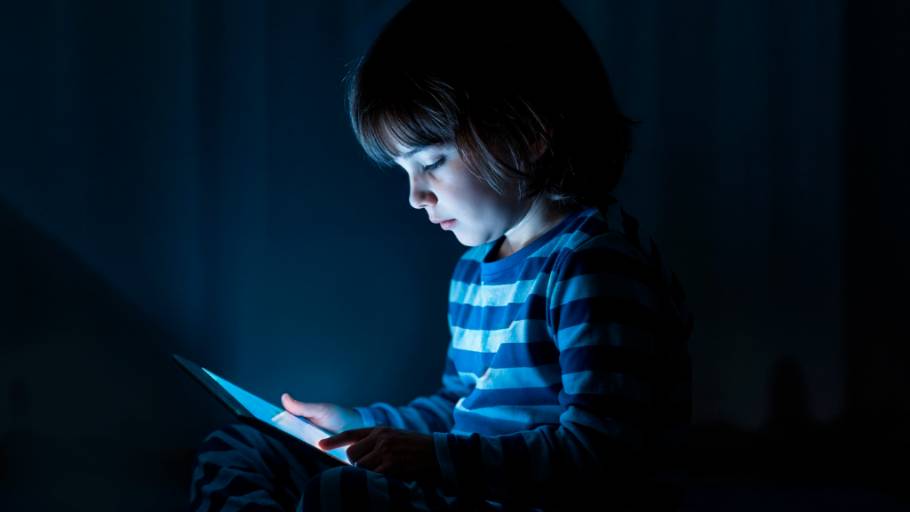
How screen time affects child development is something every parent in 2026 is thinking about, often without knowing what the actual research says versus what social media panic suggests. The conversation has gotten louder since the pandemic when screen time exploded and never fully came back down. Schools went digital. Tablets became standard. Phones now arrive in kids’ hands earlier than ever. And the data on what all this does to developing brains is finally catching up with the technology.
This guide covers how screen time affects child development at different ages, what the actual research says about the harms and the things that don’t matter as much as people think, and what parents can practically do without becoming completely anti-technology in a world built around screens.
The Basic Picture in 2026
The average American child between 8 and 12 spends about 5.5 hours per day on entertainment screens. Teens average over 8 hours daily. Children under 5 are getting closer to 3 hours daily despite pediatric guidelines saying it should be much less. Numbers are similar across most developed countries, sometimes worse.
How screen time affects child development depends heavily on three factors: the age of the child, what they’re actually doing on screens, and what they’re not doing because they’re on screens. A 16-year-old gaming for two hours after homework is different from a 3-year-old watching YouTube for two hours instead of playing. The same total hours can produce very different effects.
The research community has reached general consensus on some points and remains genuinely uncertain about others. The certainty: too much screen time displaces sleep, physical activity, and face-to-face interaction in ways that cause real problems. The uncertainty: exactly how much specific types of content affect specific outcomes, and whether the effects we see correlate with screen time or are caused by it.
Ages 0-2: The Strongest Evidence
How screen time affects child development is clearest at the youngest ages, and the evidence is consistent. The American Academy of Pediatrics recommends essentially zero screen time for children under 18 months except for video calls with family. From 18-24 months, only high-quality educational content with parents actively co-viewing.
The reasons aren’t theoretical. Brain development at this age depends on three-dimensional interaction with the physical world and direct face-to-face communication with caregivers. Babies and toddlers who spend significant time with screens show measurable delays in:
Language development: Studies consistently show that screen time at this age predicts slower vocabulary acquisition. The mechanism isn’t mysterious. Babies learn language from responsive back-and-forth interaction with humans, not from one-way audio from a screen. Even “educational” baby videos haven’t shown clear language benefits in controlled studies.
Attention regulation: The brain regions controlling attention develop based on early experience. Rapid scene changes and intense stimulation common in children’s content may interfere with developing the ability to focus on slower, less stimulating activities like reading or careful observation.
Social-emotional learning: Babies learn to read faces, understand emotions, and develop secure attachment through human interaction. Time with screens is time not spent on this critical foundation.
Sleep: Even brief screen exposure within an hour of bedtime affects sleep quality in young children. The blue light and stimulation disrupt the natural sleep-onset process.
The honest reality is that essentially no parent achieves the AAP’s recommendations completely. Real life involves moments when a child watches something. The research isn’t about achieving perfection. It’s about understanding that less is genuinely better at these youngest ages and that “educational” labeling on apps and videos doesn’t make them developmentally beneficial.
Ages 3-5: Still Worth Limiting
How screen time affects child development between ages 3 and 5 remains significant though slightly less critical than infancy. The AAP recommends no more than 1 hour daily of high-quality programming, with parents involved when possible.
What changes at this age:
Children become capable of learning some content from screens, particularly when it’s well-designed educational programming watched with parental engagement. Shows like Sesame Street have research support for vocabulary and pre-literacy benefits when used appropriately.
Problem-solving and basic computer skills can develop through age-appropriate apps, though benefits are modest compared to physical play.
Some screen activities (video calls with relatives, photos of family activities) clearly support family connection rather than displacing it.
What stays concerning:
Sleep disruption remains significant. Screens within 2 hours of bedtime affect sleep quality and quantity.
Sedentary screen time displaces physical play that’s essential for motor development, coordination, and physical health.
Attention and behavioral issues correlate with high screen time at this age, though direction of causation isn’t entirely clear.
Tantrums and emotional regulation problems show consistent association with high screen use.
Reduced creative/imaginative play occurs when screens replace open-ended toys and pretend play.
The practical reality for ages 3-5 is that some screen time is fine for most families. Less than an hour daily of decent content with parents involved when possible isn’t harmful and may have modest benefits. More than 2-3 hours daily for children this age shows consistent association with negative outcomes.
Ages 6-12: The Complicated Years
How screen time affects child development gets more complicated as kids enter school. Screens have become integral to education itself. Children need digital literacy. Friend groups exist partly through gaming and messaging. Total elimination isn’t possible or even desirable.
What the research suggests for this age:
Sleep continues to matter most. Children in this age range need 9-12 hours of sleep. Screens in bedrooms and before-bed use consistently reduce sleep quality. Sleep deprivation in school-age kids causes academic problems, attention difficulties, and emotional regulation issues that often get attributed to other causes.
Physical activity matters enormously. Children need 60+ minutes of moderate-to-vigorous physical activity daily. Screen time often directly displaces this. Obesity rates in children correlate with screen time, partly through reduced activity and partly through eating while watching screens.
Reading time matters for academic outcomes. Time spent reading books predicts academic achievement, vocabulary development, and reading comprehension. When screen time displaces reading, academic outcomes typically suffer.
Social skills develop through real-world interaction. Children who spend most social time through screens may struggle with face-to-face interaction, reading social cues, and managing in-person conflict.
Content matters significantly. Educational programming, age-appropriate gaming with strategic thinking, and creative apps differ from passive YouTube consumption or social media exposure.
The 2-hour daily entertainment screen time guideline that AAP previously suggested has been replaced by more flexible recommendations focusing on what gets displaced rather than absolute hour limits. The right amount depends on whether other developmental priorities (sleep, activity, reading, family time, in-person social interaction) are being protected.
Ages 13-18: The Teen Question
How screen time affects child development reaches its most controversial discussion with teenagers. The pandemic-era increases in teen anxiety, depression, and self-harm correlate with social media use in ways that have generated genuine research debate about whether social media causes these problems or correlates with them through other factors.
What seems clearly true:
Social media exposure to certain content damages teen mental health. Content related to eating disorders, self-harm, suicide methods, and intense body comparison reliably increases problems in vulnerable teens.
Specific girls show specific harms from specific platforms. Instagram and TikTok use particularly affects teen girls’ body image, comparison behavior, and reported depression in measurable ways. This isn’t universal but it’s consistent.
Sleep effects continue and intensify. Teen brain development requires substantial sleep. Phones in bedrooms, late-night scrolling, and notification interruptions consistently disrupt teen sleep across studies.
Attention and academic effects appear with heavy use. Constant phone checking during studying reduces learning effectiveness. Multitasking with phones during academic work consistently shows worse outcomes than focused work.
Social comparison and FOMO. Constant exposure to curated highlights of others’ lives reliably produces social comparison effects that didn’t exist for previous generations.
What’s more uncertain:
Whether moderate social media use causes the same harms as heavy use is unclear.
How much of teen mental health decline is attributable to social media versus other factors (pandemic effects, economic anxiety, climate worry, broader cultural shifts) remains debated.
Which specific features of platforms (algorithm design, notification structure, comparison mechanisms) drive most harm.
Whether benefits (connection with friends, identity exploration, learning from communities) sometimes outweigh harms for specific teens.
The honest assessment is that platform design matters more than total time. A teen using YouTube to learn skills differs from a teen using TikTok algorithmic feeds in vulnerable mental health states. Generic “screen time” recommendations for teens have become less useful than recommendations targeting specific platforms and use patterns.
What Specifically Gets Affected
How screen time affects child development can be broken down into specific developmental areas where evidence is strongest.
Brain development: The brain develops most rapidly in the first three years of life and continues significant development through the early twenties. Screen time effects on brain development show in imaging studies of children with very high screen use, with differences in white matter development and brain connectivity patterns. Whether these differences cause functional problems or simply reflect different patterns of brain use remains uncertain.
Register your personal or business NTN directly through the official FBR Iris Portal.
Sleep: This is the most consistent finding across all ages. Screens before bed and screens in bedrooms reliably reduce sleep quality and quantity. Sleep deprivation in children causes academic problems, behavioral issues, attention difficulties, growth problems, immune system effects, and mental health vulnerabilities. The sleep effects of screens may matter more than other direct effects.
Physical health: Screen time correlates with reduced physical activity, increased obesity, postural problems, vision issues (myopia rates have risen significantly), and reduced cardiovascular fitness in children.
Mental health: Anxiety and depression in children and especially teens show strong associations with heavy social media use. Causation versus correlation continues being researched but the patterns are consistent enough that pediatric guidelines now address mental health specifically.
Language and literacy: Time displacement from reading and interactive communication shows in vocabulary, reading comprehension, and writing ability. Early literacy depends on being read to, looking at books, and interactive communication that screen time can displace.
Social skills: Real-world social skills require practice in real-world social situations. Children whose primary social experiences happen through screens may show deficits in face-to-face interaction, reading non-verbal cues, and managing conflict.
Attention and self-regulation: The fragmentation of attention through frequent screen switching, notification responses, and rapid content consumption may affect the development of sustained attention. Self-regulation skills develop through practice with delayed gratification that constant immediate stimulation can interfere with.
Imagination and creativity: When children’s mental space is constantly filled with pre-made content, time for boredom, daydreaming, and self-generated imagination decreases. Some research suggests this affects creative thinking development, though measurement is difficult.
The Counter-Evidence Worth Knowing
How screen time affects child development isn’t all negative, and acknowledging this honestly matters for credibility.
Educational benefits exist. Some content genuinely teaches things. Children can learn coding, languages, music, art, and academic content through quality digital resources. Particularly for kids in under-resourced situations, screens may provide educational access that wouldn’t otherwise exist.
Connection benefits matter. Video calls with distant relatives, connections with friends during illness or social difficulties, and online communities for kids with specific interests or identities can provide genuine social benefits.
Some types of gaming may help. Strategy games, puzzle games, and creative games like Minecraft can develop problem-solving skills, spatial reasoning, and creativity. The blanket negative framing of “video games” doesn’t match the diversity of what games actually are.
Digital literacy matters for the future. Children who never use technology won’t be prepared for adult life and work. Some screen time develops digital literacy that’s essential.
Family screen time can be positive. Watching movies together, playing video games as a family, looking at photos together, calling relatives – these are family activities that happen through screens.
The “good old days” weren’t necessarily better. Previous generations watched lots of television, played outside while breathing leaded gasoline, and had various other risk factors. Comparing modern childhood to an idealized past isn’t useful.
The point isn’t that screens are universally bad. The point is that the displacement effects (what doesn’t happen because screens are happening) cause most problems, and that not all screen time has the same effect.
What Actually Works for Parents
Understanding how screen time affects child development matters less than knowing what to do about it. Some approaches consistently work better than others.
Protect sleep first. No screens in bedrooms. No screens within an hour of bedtime. This single change makes the biggest difference for most children and is the easiest to implement consistently.
Set device-free times and zones. Family meals without screens. Some weekend mornings without screens. Specific locations (kitchen, dining room, bedrooms) without screens. Predictable structure helps more than constantly negotiating individual decisions.
Co-view and discuss content. Watching with children and talking about what you see together turns potentially passive consumption into shared experience. This works at every age.
Prioritize the displacement. Make sure kids get adequate sleep, physical activity, in-person social time, time outside, reading time, and unstructured play time. Whatever screen time remains after these basics are protected is probably fine.
Model behavior. Children whose parents are on phones constantly will be on phones constantly. The “do as I say not as I do” approach doesn’t work. Parents who want children to have healthy phone relationships need to demonstrate them.
Delay phone ownership when reasonable. The longer phones can be delayed (especially smartphones), the more developmental foundation is in place when phones arrive. Many families now wait until 14-16 for smartphones rather than 10-12.
Choose better platforms when possible. YouTube Kids differs from YouTube. Some games differ from others. Some social platforms are worse than others. Platform choice matters more than total time.
Use parental controls intelligently. Apple Screen Time, Google Family Link, and built-in controls can limit access and provide structure. Use them as scaffolding for skill development, not as the entire strategy.
Talk about content honestly. Especially with teens, talking about what they’re seeing, what algorithms do, why certain content makes them feel certain ways, and what’s real versus filtered helps develop critical thinking skills.
Accept that perfect isn’t possible. No family achieves ideal screen practices consistently. Aim for generally healthy patterns rather than perfection. Children whose families generally manage screens reasonably do fine even with imperfect execution.
Instead of letting screens act as a passive babysitter, encourage kids to utilize that digital literacy for active growth. For instance, guiding older kids toward creative learning blocks or the Best Skills to Learn in 2026 can transform screen time from a liability into a career asset
When Screen Time Has Become Problematic
How screen time affects child development reaches concerning levels when certain signs appear:
Sleep is consistently disrupted by screen use, with bedtime resistance and difficulty sleeping.
Mood significantly worsens when screens are removed, beyond normal frustration into genuine distress or anger.
Academic performance declines correlating with increased screen use.
Physical activity essentially stops in favor of screen activities.
Real-world social interaction decreases significantly in favor of online interaction.
Family conflict centers on screens consistently and intensely.
Child shows signs of anxiety or depression that worsens with social media exposure.
Eating patterns change with significant meals consumed while watching screens.
Other interests disappear as screens dominate available time.
When these patterns appear, intervention beyond casual rule-setting becomes important. This might mean significant screen time reduction, professional consultation with pediatricians or family therapists, screen-free periods, or more structured intervention. Don’t assume kids will self-correct from problematic patterns – they often won’t.
What Specific Ages Need
Practical guidance for how screen time affects child development at specific ages:
Under 18 months: Essentially no screens except video calls with family. Don’t worry about achieving perfection but treat zero as the actual goal.
18 months to 2 years: Minimal screens, only high-quality content with parents actively co-viewing. Limit to under 30 minutes total daily.
2-5 years: Maximum 1 hour daily of quality content. Co-view when possible. No screens in bedrooms or within 1-2 hours of bedtime.
6-9 years: Flexible limits focused on protecting sleep, activity, reading, and family time. Generally 1-2 hours of entertainment screen time daily, with educational content separate. Strong device-free zones (bedrooms, meals).
10-12 years: Continued protection of basics with more autonomy. Consider delaying smartphone introduction. Maintain device-free spaces and times. Increase conversations about content and platforms.
13-15 years: Particular attention to social media platforms and mental health effects. Continued sleep protection through phone-out-of-bedroom rules. Open conversations about specific platforms. Watch for warning signs.
16-18 years: Maintain expectations about sleep and basic responsibilities. Build digital literacy through conversation rather than just restrictions. Prepare for adult self-regulation.
The specifics matter less than the principles: protect basics, model healthy behavior, talk openly about content and platforms, and stay engaged with what children are actually doing online.
Final Thoughts
How screen time affects child development comes down to balancing real benefits of technology against real harms, recognizing that the same screen time can have very different effects depending on what specifically is happening and what gets displaced.
The research consensus that exists in 2026 is clear on some points: too much screen time displaces sleep, physical activity, and real-world interaction in harmful ways. Mental health effects from certain social media platforms are real for some teens, especially girls. Brain development at the youngest ages depends on real-world interaction that screens can’t replace. Sleep effects of screens are consistent across all ages.
The research is less clear on exact thresholds, individual variation, and which specific content types cause which specific effects. Parents trying to make decisions based on research will find guidance more than rigid rules.
For most families, the practical approach focuses on protecting the basics (sleep, activity, real-world interaction, family time) and being thoughtful rather than reactive about what remains. Perfect adherence to recommendations isn’t possible or necessary. Generally healthy patterns are achievable for most families willing to be intentional.
How screen time affects child development will continue being studied as technology continues evolving. The smartphones and platforms of 2026 won’t be the same as those in 2030. The principles probably will remain similar though: real-world experience matters for developing humans, sleep is essential, social media platforms designed for adult engagement aren’t designed with child wellbeing in mind, and parental engagement matters more than absolute rules.
Children today are growing up with technology integration that no previous generation experienced. The goal isn’t to recreate a screen-free childhood that mostly doesn’t exist anymore. The goal is to help children develop healthy relationships with technology while protecting the developmental basics that still matter regardless of how the technology changes.
That’s a harder problem than it sounds. It’s also the actual problem parents need to solve in 2026 rather than the theoretical version that either dismisses screen effects entirely or treats all screen time as equally damaging.



Comments