




Why Is Netherlands So Rich: The Real Story Behind Dutch Wealth
Why is Netherlands so rich is a question that hits different when you actually see the numbers. This is a country roughly the size of some Pakistani provinces. Its population is around 18 million, less than Karachi. And yet it’s one of the wealthiest countries on the planet. Look at the comparison.
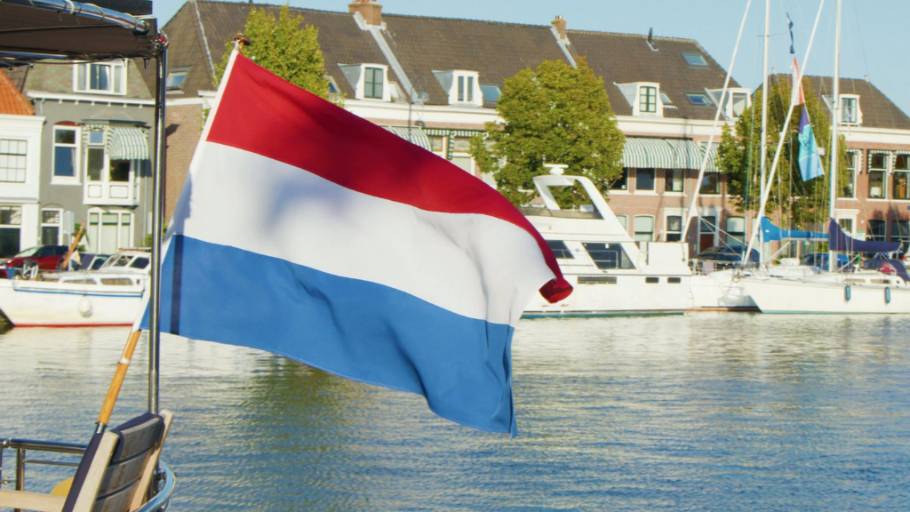
Why is Netherlands so rich is a question that hits different when you actually see the numbers. This is a country roughly the size of some Pakistani provinces. Its population is around 18 million, less than Karachi. And yet it’s one of the wealthiest countries on the planet.
Look at the comparison. GDP per capita around $75,000-80,000 in 2026. Pakistan is around $1,500-2,000. The gap is roughly 40-50 times. Dutch people live comfortably while an entire generation of Pakistanis struggles to afford basic housing. The scale of the difference forces the question: how did these guys pull this off?
The honest answer is more interesting than “Europe rich, others poor.” Netherlands wasn’t given wealth. They built it over centuries through trade, some pretty dark colonial history, smart institutional choices, and continued adaptation to global changes. Understanding why is Netherlands GDP so high per capita specifically requires digging into what Dutch people actually do differently from most countries.
This is the real story of Dutch wealth. Historical foundations, geographic advantages, modern industries generating money, and what Pakistanis specifically might learn from studying it. No sugarcoating, no lazy comparisons.
Just How Rich They Actually Are
Let’s establish what we’re actually talking about. Netherlands consistently sits near the top of global wealth rankings.
GDP per capita around $75,000-80,000. Top 10 globally. Way above most European countries even.
Total GDP around $1.2 trillion in 2026. That makes Netherlands the 17th or 18th largest economy globally. Not bad for a country you can drive across in a few hours.
Quality of life numbers are equally impressive. Life expectancy 82+ years. Universal healthcare that actually works. Some of Europe’s highest education levels. Poverty rates among the lowest in the developed world.
So when people wonder why is Netherlands so rich, they’re asking about a genuine outlier. A country that objectively shouldn’t have this much wealth based on size, population, or natural resources but somehow does. The answer isn’t luck.
The Historical Foundations
Dutch wealth didn’t happen overnight. It took centuries. The foundations were laid so long ago that Pakistan wasn’t even a country yet, wasn’t even a concept.
The Dutch Golden Age in the 1600s is when this started. The Dutch Republic broke away from Spanish colonial rule and immediately became Europe’s dominant commercial power. Amsterdam was the New York of its time. The place where global finance happened.
The Dutch East India Company (VOC) was founded in 1602. This was the world’s first multinational corporation. First company to issue stock to the public. First real experiment in what we’d now call modern corporate structure. At its peak, adjusted for inflation, VOC was worth more than today’s top 20 companies combined. Bigger than Apple, Google, and Microsoft put together.
Amsterdam became the financial capital of Europe. The Amsterdam Stock Exchange in 1602 was the world’s first stock exchange. Modern banking, insurance, and financial capitalism were basically invented by the Dutch. When you use financial instruments today, you’re using Dutch inventions.
Now here’s the uncomfortable part that most Dutch-wealth articles skip. A massive chunk of that early wealth came from colonialism. The Dutch East Indies (modern Indonesia) was brutally extracted for centuries. Spice trade profits, plantation exploitation, forced labor systems. This isn’t ancient history either. Dutch decolonization only happened after WWII.
Netherlands is actually reckoning with this history now. Museum exhibits acknowledge colonial atrocities. Various reparation debates continue. The wealth was real but so were the costs paid by other peoples.
Post-WWII was another turning point. Netherlands got destroyed in the war but received Marshall Plan aid and rebuilt fast. Then joined European integration from the 1950s. That created the modern economic framework for continued prosperity.
Geography Actually Matters
Location genuinely matters here. The Dutch got dealt a good geographic hand and played it well.
Rotterdam is one of the biggest ports on earth. The largest in Europe by cargo volume. Basically the entry point for goods entering Europe from Asia, Africa, and the Americas. Just running the port generates massive economic activity. Logistics jobs, shipping companies, refineries, everything spinning off from that one strategic asset.
Amsterdam’s Schiphol Airport is one of Europe’s busiest. Major global aviation hub. All the airline business, tourism, business travel that goes with being an aviation center.
The country sits at the crossroads of UK, Germany, France, and Belgium. That central European position makes it ideal for logistics companies and multinational headquarters looking to cover the whole region.
Netherlands controls the mouth of the Rhine River. One of Europe’s biggest commercial waterways. Dutch barges reach industrial centers across Germany and beyond. That’s serious commercial infrastructure.
The coastal position enables maritime trade that landlocked countries just can’t match. Plus the North Sea gave them natural gas resources that generated wealth for decades.
Now compare this to Pakistan. We have the Arabian Sea, ports at Karachi and Gwadar. Strategic position between Central Asia, China, and the Middle East. Similar geographic potential in some ways. The Dutch just made way better use of what they had.
What Actually Makes Money Now
The real question about why is Netherlands so rich in modern times comes down to specific industries generating wealth today.
Trade and logistics is the obvious first answer. Netherlands is one of the world’s largest exporters by value. Their logistics network moves goods across Europe efficiently. All the associated services (shipping, insurance, financing, warehousing) generate money on top of the base trade.
Agriculture will surprise most people. Netherlands is the world’s second-largest agricultural exporter by value. This is a tiny country with limited farmland. How? Absolute obsession with efficiency. Dutch greenhouses produce insane amounts of tomatoes, vegetables, and flowers per square meter using advanced technology. Aalsmeer Flower Auction is the world’s largest flower trading operation.
Financial services keeps generating money. Amsterdam is still a major European financial center. Dutch pension funds are among the world’s largest, worth trillions of euros. Banks like ING and ABN AMRO have global reach.
Multinational corporations based in Netherlands generate huge revenue. Here’s the roster:
- Royal Dutch Shell: Oil and gas giant
- Unilever: Consumer goods (technically Dutch-British)
- Philips: Electronics and healthcare
- Heineken: Global beer brand
- ASML: The one Pakistanis should really know about
- Randstad: Global staffing services
- AkzoNobel: Paints and specialty chemicals
ASML deserves its own paragraph. This Dutch company makes the extreme ultraviolet lithography machines that are literally required to manufacture advanced semiconductors. Without ASML equipment, cutting-edge chips can’t be produced. Not by TSMC, not by Samsung, not by anyone. This gives Netherlands a chokehold on global technology that no other country has. When US-China tech tensions happen, ASML sits right in the middle because whoever controls their exports affects the whole chip industry.
The natural gas story from Groningen field discovered in 1959 has been another wealth source. Though they’re winding down production because extraction caused earthquakes, the gas revenues funded decades of Dutch social programs.
Why Is Netherlands GDP So High Specifically
The specific question of why is Netherlands GDP so high per capita has some clear answers.
Productivity is the big one. Dutch workers produce more per hour than almost anywhere. This comes from technology adoption, education levels, business processes, and infrastructure. They don’t work crazy hours. They just do more with each hour worked.
The specialization matters. Netherlands focuses on high-value activities rather than low-cost manufacturing. Financial services, R&D, specialized manufacturing, logistics coordination. All high-value stuff that generates real margins.
Export orientation is key. The domestic market is small so companies have to compete internationally from day one. This competitive pressure builds efficient companies. Exports generate higher margins than pure domestic business usually does.
Corporate concentration inflates the numbers somewhat. When Royal Dutch Shell or Unilever revenues get attributed to Netherlands, the GDP per capita numbers benefit even though much of the actual value creation happens in other countries. This is a technical factor but real.
Tax and legal frameworks have historically attracted multinational operations. Companies establish holding structures in Netherlands for tax reasons. This inflates GDP figures further while creating additional real economic activity through professional services.
Efficient government provides good infrastructure, education, healthcare, and legal framework at reasonable costs. Corruption is low. Regulations are generally predictable. This lets the private sector focus on making money rather than dealing with government dysfunction.
The Culture Piece
Culture matters more than most economic analyses admit. Some Dutch cultural patterns directly enable economic success.
Pragmatism is huge. Dutch business decisions get made based on what works rather than ideological positions. Companies adapt to conditions rather than fight them. This flexibility enables continuous adaptation to changing global economics.
International orientation is basically the default. Dutch people speak multiple languages fluently. English proficiency ranks among the world’s highest for non-English-speaking countries. Global outlook is normal, not exceptional.
Consensus-building through the Polder Model shapes both business and politics. Different stakeholders negotiate solutions rather than one side dominating. This creates stability that enables long-term planning.
Tolerance and openness have been Dutch traits for centuries. This attracts international talent and investment. Amsterdam has been genuinely international since the 1600s.
Merit-based systems matter more than in many countries. Nepotism and connections influence outcomes less. This enables efficient allocation of talent to positions where they’ll produce most value.
Innovation culture continues from the Golden Age. Modern research institutions, universities, and R&D investments push scientific frontiers. Delft University of Technology is world-renowned. Research centers work on cutting-edge stuff.
The Human Capital Advantage
Why is Netherlands so rich comes down significantly to what Dutch people can actually do. Human capital matters enormously.
The education system produces highly educated workforce. Multiple tracks from primary through vocational, secondary, and university levels. Both academic and technical education taken seriously.
Skilled trades remain strong. Unlike some developed countries that let vocational education collapse, Netherlands maintains technical training. Skilled workers make good livings. This creates broad-based middle-class prosperity rather than just wealthy elite.
International talent moves to Netherlands for career opportunities. Tech workers, financial professionals, researchers. Talent inflow enhances economic capability across sectors.
Language skills create competitive advantages. Dutch workers often speak English, German, French, and other languages fluently. Makes international business smoother than in societies stuck in one language.
Work-life balance culture actually helps productivity. Dutch people work reasonable hours. Part-time work is common. Workers don’t burn out. Rested workers produce better results per hour than exhausted ones.
Social Systems That Enable Wealth
The social system provides infrastructure that enables economic success rather than draining it.
Universal healthcare means people can work productively without medical bankruptcy risk. Employers don’t bear crushing healthcare costs. Employees don’t lose everything from medical bills.
The pension system is among world’s best-funded. Workers plan retirement confidently. Pension funds themselves invest globally, generating additional returns for the Dutch economy.
Education access remains broad. Universities affordable or free depending on program. Talented students from all backgrounds can access education. Human capital gets maximally developed rather than wasted.
Social safety net enables risk-taking. Unemployment insurance, disability support. Entrepreneurs can start businesses knowing failure won’t destroy them completely. This encourages more business formation.
Public transportation actually works. Cities function efficiently. Time isn’t wasted stuck in traffic. Amsterdam and other Dutch cities are genuinely functional in ways many major cities aren’t.
The Challenges Are Real
The picture isn’t all sunshine. Dutch wealth faces real challenges going forward.
Housing crisis is severe. Netherlands has genuine housing shortage. Prices in Amsterdam and other cities have skyrocketed. Young Dutch people struggle to buy homes. This creates economic and social pressures affecting the whole system.
Climate change is existential. Large parts of Netherlands are literally below sea level. Rising sea levels threaten the country’s physical existence. Dutch water management expertise is world-class (they export it as service to Bangladesh, Venice, and elsewhere), but adaptation costs will grow enormously.
Aging population presents demographic challenges. Older population needs more healthcare while workforce shrinks. Pension systems face sustainability pressures. Immigration is one solution but politically contested.
Immigration debates have intensified. Dutch politics has become more divided. Right-wing parties gained significant support. The political stability that enabled decades of economic success shows strain.
Nitrogen crisis in agriculture has created major regulatory conflicts. Intensive Dutch farming created environmental problems now requiring painful adjustments to core industries.
Groningen gas transition removes a revenue source. Energy transition costs will require substantial investment.
Global competition threatens Dutch specializations. If China matches ASML in semiconductor manufacturing equipment, that’s a major vulnerability. If other countries build competitive agricultural technology, market share gets threatened.
What Pakistan Might Learn
Since Pakistani readers are asking these questions, some honest lessons from Dutch experience matter.
Trade-focused development built Dutch wealth. Netherlands never tried closed-economy protectionism. Pakistan has struggled with export orientation. Our economy would benefit from being more like Netherlands here.
Human capital investment sustained over generations. Netherlands has consistently invested in education for centuries. Pakistan’s education sector has been chronically underfunded. Getting serious about education would take generations to produce Dutch-level workforce.
Institutional quality enables business success. Efficient government, low corruption, predictable regulations. Pakistan’s institutional environment is genuinely a major obstacle to development. Fixing this matters more than most industrial policies.
Infrastructure priorities that make trade possible. Ports, airports, logistics. Pakistan has some infrastructure but not at Dutch levels. Continued infrastructure investment enables all kinds of economic activity.
Innovation ecosystem with strong universities and R&D. Pakistan has some strong institutions but not enough. Building innovation capacity takes decades of consistent investment.
Cultural adaptability including international orientation and language skills. Pakistan actually has some advantages here (English proficiency, diverse cultural exposure). We could build on these more systematically.
The honest limits also matter. Some Dutch advantages are historical accumulation we can’t replicate. Central European geographic position isn’t something Pakistan can adopt. Some Dutch wealth came from colonialism we obviously wouldn’t want to imitate. There’s no quick copy-paste path from Pakistani development to Dutch wealth.
Final Thoughts
Why is Netherlands so rich isn’t a mystery with a single answer. It’s centuries of institutional development, geographic advantages, cultural patterns that enable economic success, and continued adaptation to changing global conditions.
The Dutch didn’t get lucky with oil deposits or by having some brilliant leader who transformed everything in one generation. They built wealth through trade, innovation, education, and effective institutions over 400 years. Some of that history is uncomfortable colonialism they’re now reckoning with. Modern wealth reflects continued institutional excellence and smart economic choices.
For understanding why is Netherlands GDP so high specifically, several factors combine. High productivity from skilled workers using advanced technology. Specialization in high-value activities. Central position in European trade. Presence of major multinational corporations. Efficient government and infrastructure. Strong human capital development sustained across generations.
For Pakistanis studying economic development, the Dutch example offers both inspiration and warning. Inspiration because small countries can become genuinely wealthy through smart institutional choices. Warning because Dutch wealth took centuries to build. Any country wanting Dutch-level prosperity needs to think in generational terms, not five-year plans.
The Netherlands faces real challenges going forward. Housing affordability, climate adaptation, aging demographics, political tensions, global competition. Even the wealthy have problems. But the foundations of Dutch wealth remain strong. Their institutional advantages, human capital, and strategic positioning give them tools to handle challenges better than most countries.
That’s the real answer to why is Netherlands so rich. Centuries of institutional development, strategic geographic advantages, smart cultural patterns, and continued adaptation producing one of the world’s wealthiest societies despite tiny size and limited natural resources.
The Dutch aren’t magic. They just made better choices sustained over longer periods than most countries. Understanding what made it work provides insights for anyone thinking seriously about economic development, whether at country level, business level, or personal financial planning level.
History of Pakistan Army Chiefs: The Real Story of Military Leadership
Comments