




Famous Festivals of Pakistan: The Real Guide to Cultural Celebrations
Famous festivals of Pakistan are something most foreigners have never heard of and most Pakistanis take for granted. We grow up celebrating these things every year. The mehndi-stained hands on Eid morning. The fireworks on Independence Day. The kite-flying chaos of Basant before it got banned.
Famous festivals of Pakistan are something most foreigners have never heard of and most Pakistanis take for granted. We grow up celebrating these things every year. The mehndi-stained hands on Eid morning. The fireworks on Independence Day. The kite-flying chaos of Basant before it got banned. We don’t really think about how distinctive these celebrations are until someone from outside Pakistan asks about them.
Honestly, Pakistan has one of the richest festival cultures in South Asia. We have religious festivals shared with Muslim countries globally. We have cultural festivals unique to specific regions. We have national celebrations marking historical moments. And we have traditional events going back centuries that survived British rule, partition, and modern urbanization.
This guide covers the famous festivals of Pakistan that actually matter culturally. The religious ones everyone knows. The regional celebrations that don’t get enough coverage. The historical events. And the cultural celebrations that make Pakistan genuinely different from anywhere else. Real information about what people actually celebrate, not just a list of dates.
Religious Festivals That Define the Year
The religious calendar shapes most Pakistani celebrations. These are the famous festivals of Pakistan that touch nearly every household.
Eid-ul-Fitr is probably the biggest celebration of the year. It marks the end of Ramadan, the month of fasting. The night before (Chaand Raat) is genuinely magical. Markets stay open until 3 or 4 AM. Women get mehndi designs done. Bangles get bought. New clothes get prepared.
Eid morning starts with special prayers at mosques and Eidgahs across the country. Then comes the eating. Sheer khurma in the morning. Family visits all day. Children getting Eidi (cash gifts) from elders. The three days of Eid involve constant social gatherings.
Eid-ul-Adha comes about two months after Eid-ul-Fitr. This celebrates Prophet Ibrahim’s willingness to sacrifice his son. Families perform Qurbani by sacrificing animals (typically goats, sheep, cows, or sometimes camels). The meat gets distributed in three parts: family, relatives and friends, and the poor.
The whole pre-Eid period sees major activity in Pakistani markets. Livestock markets boom for weeks before. Karachi’s Sohrab Goth and Lahore’s Shahpur Kanjran become massive temporary animal cities.
Ramadan itself isn’t a single festival but transforms life for an entire month. Suhoor before dawn. Iftar at sunset. Special Taraweeh prayers at night. Restaurants and offices adjust schedules. Markets stay open late. The whole rhythm of cities changes for thirty days.
Muharram and Ashura mark the Islamic new year’s first month and the Day of Ashura specifically. The first ten days hold special religious significance, particularly for Shia Muslims who commemorate the martyrdom of Imam Hussain at Karbala. Processions, majalis (religious gatherings), and various commemorative practices happen across Pakistan.
The Muharram processions in Lahore, Karachi, and other cities are genuinely impressive demonstrations of religious commitment. The atmosphere is somber and contemplative rather than celebratory.
Eid Milad-un-Nabi celebrates the Prophet Muhammad’s (PBUH) birthday on 12th Rabi-ul-Awwal. Processions through cities. Decorative lighting on buildings. Special prayers and religious gatherings. The scale varies but the celebration is observed nationwide.
Shab-e-Barat in the month of Sha’ban is considered a night of forgiveness in Islamic tradition. Many Pakistani families spend the night in prayer and remember deceased relatives. Sweet dishes get prepared and distributed.
National Days That Mark History
Beyond religious celebrations, Pakistan has several historical commemorations that count among the famous festivals of Pakistan.
Independence Day (August 14) is probably the most enthusiastic national celebration. Pakistan was created on August 14, 1947. The day involves massive flag-hoisting ceremonies, military parades, and patriotic activities across the country.
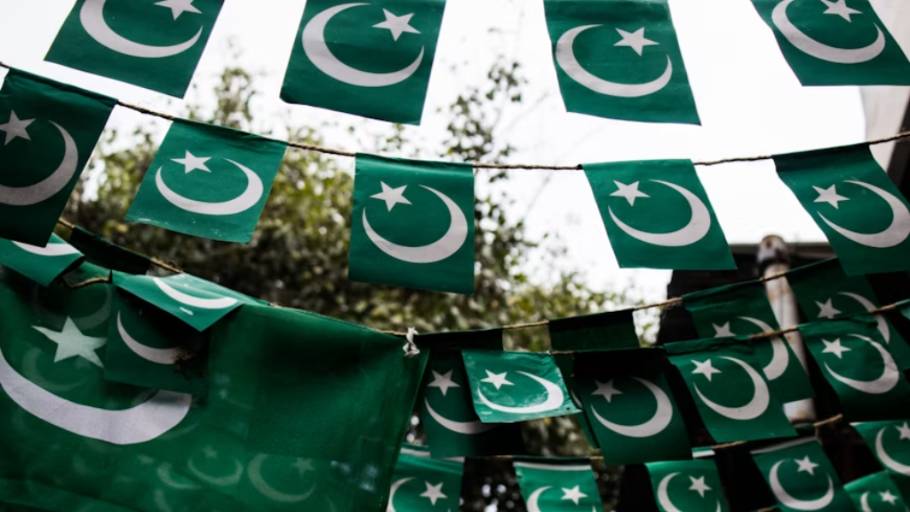
The night before, cities light up with green and white decorations. Houses display Pakistani flags. Children wear green and white clothes. Patriotic songs play everywhere. The atmosphere genuinely shifts toward celebration of national identity.
The main events happen at the Presidential and Prime Minister’s residences. Flag hoisting at midnight. Speeches by leaders. Cultural performances. Provincial capitals have their own ceremonies. Schools and offices hold special events.
Pakistan Day (March 23) marks the 1940 Lahore Resolution that became the foundation for Pakistan’s creation. The day involves a major military parade in Islamabad with all three services participating. Military equipment, aircraft flyovers, and cultural performances.
The Pakistan Day parade has become a significant national event watched live across the country. International dignitaries attend. The display of military capability happens alongside cultural performances.
Defence Day (September 6) commemorates the 1965 war with India. The day honors military sacrifices and service. Ceremonies happen at military memorials and bases. Schools teach about the war. Television programming focuses on military history and current armed forces.
Iqbal Day (November 9) celebrates the birthday of Allama Muhammad Iqbal. Schools hold special events. His poetry gets recited. His philosophical ideas get discussed. The day connects to broader appreciation of intellectual heritage.
Quaid Day (December 25) marks Quaid-e-Azam Muhammad Ali Jinnah’s birthday, which also happens to be Christmas Day globally. The day involves official ceremonies at Mazar-e-Quaid in Karachi and across Pakistan. Speeches about Jinnah’s vision and ongoing relevance.
Cultural and Traditional Celebrations
This is where the famous festivals of Pakistan get genuinely distinctive and often missed by people focused only on religious or national days.
Basant was historically Pakistan’s most famous cultural festival before being banned in most regions due to safety concerns. The kite-flying celebration in late winter/early spring in Lahore particularly was extraordinary. Rooftops covered with people. Sky filled with thousands of colorful kites. Cuts (when you’d cut someone else’s kite string). Calls of “Bo kata!” echoing across neighborhoods.
The festival was banned in Punjab after a series of deaths from glass-coated kite strings (manjha) cutting throats of motorcyclists and bystanders. The ban remains controversial. Some areas have tried bringing back regulated versions. The traditional Basant remains one of the most missed cultural celebrations.
Mela Chiraghan (Festival of Lights) at the shrine of Sufi saint Shah Hussain in Lahore happens in late March. The three-day festival at Shalimar Gardens area attracts massive crowds. Sufi music. Devotional gatherings. Food stalls. It’s one of the major Sufi cultural festivals still actively celebrated.
Urs of Sufi Saints happen throughout the year at various shrines across Pakistan. The Urs (death anniversary) of major saints like Data Ganj Bakhsh in Lahore, Shahbaz Qalandar in Sehwan, Bahauddin Zakariya in Multan, and Abdullah Shah Ghazi in Karachi draw massive crowds.
These shrine festivals involve Qawwali music, Sufi gatherings, distribution of food, and devotional practices. The Sehwan Urs of Lal Shahbaz Qalandar particularly is famous internationally and attracts pilgrims from across South Asia.
Pakistan Day Parade celebrations beyond the official military event include cultural festivities in various cities. Folk music performances. Regional dress displays. Provincial food stalls.
Cholistan Jeep Rally has become major event in Cholistan desert of southern Punjab. Started in 2005, the off-road rally has grown into significant tourism and cultural event combining sports, traditional culture, and desert experience.
Shandur Polo Festival at Shandur Pass between Chitral and Gilgit happens annually in July. The world’s highest polo ground at 3,700 meters hosts traditional polo matches between Chitral and Gilgit teams. The festival combines sports with cultural performances and traditional music.
Regional Festivals Worth Knowing
The famous festivals of Pakistan include several distinctive regional celebrations that don’t get national attention but matter deeply in their regions.
Sindh celebrations:
- Cheti Chand marks the Sindhi New Year and the birth anniversary of Jhulelal, the Hindu Sindhi community’s patron. Celebrated mainly by Sindhi Hindu community.
- Sindhi Cultural Day celebrates Sindhi language, culture, and identity, typically in first Sunday of December. Sindhi caps and shawls are worn. Cultural programs happen.
- Sehwan Urs as mentioned, the annual Urs of Lal Shahbaz Qalandar in June draws massive crowds.
Punjab celebrations:
- Vaisakhi historically marked harvest season and Sikh New Year. Pakistani Sikh community visits Nankana Sahib and other Gurdwaras during this period.
- Hindu festivals including Holi and Diwali celebrated by Pakistani Hindu communities mostly in Sindh and parts of Punjab.
- Various harvest festivals continue in rural Punjab marking agricultural cycles.
Khyber Pakhtunkhwa celebrations:
- Chitral Spring Festival marks beginning of spring in Chitral region. Cultural performances and traditional celebrations.
- Kalash festivals in the Kalash valleys of Chitral are unique to the indigenous Kalash community. Chilam Joshi (May), Uchau (September), and Choimus (December) are three main festivals with distinctive music, dance, and ritual practices.
- Pashtun cultural events include various traditional gatherings around music, food, and community.
Balochistan celebrations:
- Sibi Mela in Sibi is one of the oldest traditional festivals in the region, originally a cattle and crafts trade fair that has continued for centuries.
- Various tribal celebrations mark seasonal events and historical occasions.
Gilgit-Baltistan celebrations:
- Polo festivals beyond Shandur happen in various valleys.
- Spring festivals mark end of harsh winters.
- Traditional music gatherings continue ancient cultural practices.
Food Festivals and Modern Events
The famous festivals of Pakistan increasingly include modern events that have developed in recent decades.
Food festivals in major cities have become significant. Karachi Eat Festival, Lahore Eat Festival, and similar events bring restaurants and food vendors together. These have grown into major annual events attracting thousands of visitors.
Music festivals including Lahore Music Meet, Karachi Music Meet, and various electronic music events have developed alongside traditional music festivals. Coke Studio Pakistan has become globally significant phenomenon promoting Pakistani music.
Literature festivals including Karachi Literature Festival and Lahore Literature Festival attract major writers and intellectuals. These have become significant cultural events drawing international attention.
Film festivals including Kara Film Festival have promoted Pakistani cinema and brought international films to Pakistani audiences.
Fashion weeks in Karachi, Lahore, and Islamabad have become major events showcasing Pakistani designers and the fashion industry’s growth.
Sports celebrations particularly cricket matches against India or major tournaments produce festival-like atmosphere across the country. PSL (Pakistan Super League) season brings cricket celebrations to multiple cities annually.
How Pakistanis Actually Celebrate
The official descriptions of famous festivals of Pakistan often miss what actually happens at household level.
Family gatherings are central to most celebrations. Eid involves visits to grandparents, aunts, uncles, cousins. Independence Day brings extended family together. Religious occasions create reasons for big family meals.
Food preparation dominates festival planning. Special dishes get prepared. Sweet shops see massive business. Home kitchens produce traditional sweets like sheer khurma, sewain, halwa, gulab jamuns, and barfi.
Clothing plays significant role. Eid means new clothes, particularly for children. Cultural festivals call for traditional dress. Wedding-style outfits get worn for major celebrations.
Decorations transform homes and streets. Independence Day brings out flag bunting and lights. Religious celebrations involve special decorations. The night before Eid sees houses cleaned and prepared.
Social media has changed celebration patterns. Photos get shared instantly. Greetings travel by WhatsApp. Family photos of Eid celebrations spread globally. The local celebration becomes globally visible.
Sound marks Pakistani festivals distinctly. Naat recitations at religious festivals. Patriotic songs on national days. Folk music at cultural events. Cricket commentary during sports celebrations. Fireworks on special occasions.
Money and gifts flow during festivals. Eidi from elders to children. Salami (cash gifts) at weddings during festival seasons. Special purchases for major celebrations. Festival shopping drives significant economic activity.
Challenges Pakistani Festival Culture Faces
The famous festivals of Pakistan face several modern challenges worth acknowledging:
Urbanization changes how celebrations happen. Traditional rural festivals don’t transfer easily to apartment living. Extended family gatherings are harder when relatives live in different cities or countries.
Commercialization has affected major festivals. Eid has become massive shopping season. Wedding seasons drive consumer spending. Some critics argue commercialization has reduced spiritual depth.
Security concerns have affected several festivals. Basant was banned for safety reasons. Some Sufi shrines have faced terrorist attacks. Public celebrations require increased security measures.
Religious tensions sometimes affect celebrations. Sectarian violence has marred some Muharram processions. Hindu and Sikh celebrations face occasional pressure. Christmas celebrations in some areas face safety concerns.
Climate change affects traditional celebrations. Agricultural cycles change. Some seasonal festivals lose connection to their original timing. Heatwaves affect outdoor celebrations.
Migration spreads Pakistani celebrations globally but also weakens local traditions. Pakistanis abroad celebrate but may modify practices. Original traditions sometimes weaken as practitioners migrate.
Why These Celebrations Matter
The famous festivals of Pakistan matter for several reasons that go beyond just celebration:
Cultural identity preservation: These celebrations maintain cultural traditions that connect contemporary Pakistanis to longer historical heritage. Without these celebrations, cultural continuity weakens.
Family bonding: Festival celebrations create regular occasions for extended family gatherings that modern life otherwise discourages. The structure of celebrating together reinforces family bonds.
Community connection: Religious and cultural festivals create community gatherings that build social connections. People meet neighbors, reconnect with old friends, and maintain broader social networks.
Religious practice: Many celebrations are integral to religious life. They mark important spiritual moments and provide structure for religious practice.
National identity: National celebrations like Independence Day and Pakistan Day build shared national identity across regional, ethnic, and class differences.
Economic activity: Festival seasons drive significant economic activity. Food production, clothing, gifts, decoration, travel all generate income during festival periods.
Cultural exchange: Major festivals attract international attention and visitors. They provide opportunities for Pakistan to share its cultural heritage with broader world.
For those looking to experience these massive celebrations firsthand, checking official updates through the Pakistan Tourism Development Corporation is the best way to plan your travel around the regional festival calendar.
Final Thoughts
The famous festivals of Pakistan represent some of the richest cultural traditions in South Asia. We have religious celebrations connecting us to global Muslim community. We have national days reinforcing Pakistani identity. We have cultural festivals preserving distinctive regional heritage. We have traditional events going back centuries that survived everything history threw at them.
For Pakistanis, these celebrations are just how we live. We don’t think about them as cultural treasures most of the time. We just celebrate Eid because it’s Eid. We hoist flags on August 14 because that’s what you do. We visit Sufi shrines because that’s been happening for centuries. The everyday quality is exactly what makes them so deeply rooted.
For international visitors and curious observers, the famous festivals of Pakistan offer windows into a cultural world that combines Islamic tradition, South Asian heritage, regional diversity, and modern Pakistani identity in distinctive ways. You don’t really understand Pakistan until you’ve experienced at least one major Pakistani celebration.
What’s worth preserving and what should evolve remains genuinely debated. Some celebrations adapt to modern conditions. Some get lost. New celebrations emerge. The festival culture stays alive through this constant evolution.
For those wanting to actually experience famous festivals of Pakistan, Eid times are obvious starting points. Independence Day brings nationwide enthusiasm. Major Sufi shrines have Urs celebrations throughout the year. Regional festivals require traveling to specific areas during specific seasons.
The honest take is that Pakistan’s festival culture deserves more recognition than it gets internationally. The traditions are rich, the celebrations are genuine, the cultural depth is real. Whether anyone outside Pakistan pays attention or not, the celebrations continue happening because they matter to the people who participate in them.
That’s the real picture of famous festivals of Pakistan in 2026. Religious and cultural celebrations that shape how Pakistanis live their lives, mark their year, connect with their heritage, and pass traditions to the next generation.
Allama Muhammad Iqbal: The Real Story Behind Pakistan’s Spiritual Father

Comments